If you’ve spent years trying serums, spot treatments and “miracle” products with little to show for it, you’re not alone. Acne is stubborn, and not every facial or product is actually built to handle it — some can even make breakouts worse. This guide breaks down the best facial for acne, whether you’re booking a professional treatment or building an effective at-home acne facial routine. We’ll cover what actually works, what to avoid and specific stock products worth adding to your routine.
Affiliate Disclosure:
This post contains affiliate links. If you purchase through these links – We may earn a small commission at no extra cost to you.
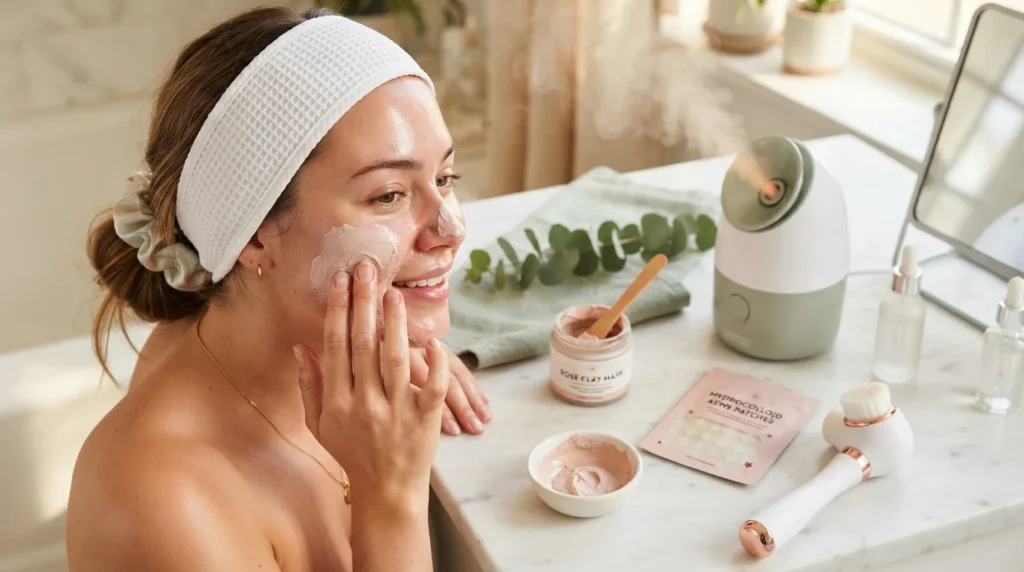
What Makes a Facial Effective for Acne?
Not every facial is acne safe. A good acne facial focuses on ingredients and techniques – with real evidence behind them:
- Salicylic acid (BHA) — exfoliates inside the pore – breaking up oil and dead skin buildup
- Benzoyl peroxide — kills acne causing bacteria
- Glycolic acid (AHA) — resurfaces the skin’s top layer to fade marks and smooth texture
- LED light therapy — blue light kills germs that cause acne, red light reduces swelling.
- Gentle extractions — done by a trained professional, not aggressive squeezing
On the other hand some “spa” facials use heavy, comedogenic oils, hot stone massage oils or overly abrasive scrubs — all of which can clog pores and trigger new breakouts. If a facial menu doesn’t mention any acne specific ingredients or techniques. It’s probably not the right one for breakout prone skin.
Types of Best Facial for Acne
Chemical Peel Facials
These use salicylic or glycolic acid at higher professional grade – concentrations to exfoliate deep into the pore and speed up cell turnover. They’re especially good for blackheads – clogged pores and post acne marks.
Best for: Mild to moderate acne, oily/congested skin
Cost range: $75–$200 per session
LED Light Therapy Facials
Blue light reduces the bacteria – that trigger breakouts. However, red light calms redness and inflammation. Often combined with a cleansing facial – for a bigger impact.
Best for: Inflammatory acne, sensitive skin – that can’t tolerate strong acids
Cost range: $50–$150 per session
Deep Pore Cleansing Facial (Extraction Facial)
This is the classic acne facial. An esthetician steams the skin to soften pore buildup. Then manually clears blackheads and whiteheads – before applying a calming mask.
Best for: Clogged pores, blackheads, whiteheads
Cost range: $60–$150 per session
HydraFacial (Acne Clarifying Boost)
A machine based treatment that cleanses, exfoliates, extracts and hydrates in one pass, often with a salicylic acid “booster” added for acne prone skin. Gentler than a manual extraction facial.
Best for: Sensitive or reactive skin – that still needs deep cleansing
Cost range: $150–$300 per session
Dermaplaning + Acne Treatment Combo
Dermaplaning removes dead skin. And peach fuzz with a surgical blade. Which can help topical acne products absorb better afterward. Best paired with, not substituted for – an acne targeted treatment.
Best for: Textured, dull skin with mild acne
Cost range: $75–$150 per session
At-Home Facial Routines & Tools
If regular spa visits aren’t in the budget, a consistent at-home acne facial routine using the right tools and products can deliver similar benefits over time. This is where the right steamer, cleanser and treatment products make the biggest difference — more on this below.
Best Professional Facials for Acne: Quick Comparison
| Facial Type | Best For | Avg. Cost | Recommended Frequency |
|---|---|---|---|
| Chemical Peel Facial | Clogged pores, dark marks | $75–$200 | Every 4–6 weeks |
| LED Light Therapy | Inflammatory acne, sensitive skin | $50–$150 | Weekly to bi-weekly |
| Deep Pore Cleansing/Extraction | Blackheads, whiteheads | $60–$150 | Every 4 weeks |
| HydraFacial | Sensitive, reactive skin | $150–$300 | Every 4–6 weeks |
| Dermaplaning + Treatment | Texture + mild acne | $75–$150 | Every 3–4 weeks |
What Happens During a Professional Acne Facial?
Most acne facials follow a similar structure:
- Double cleanse to remove makeup, oil and surface debris
- Skin analysis under magnification to assess breakout severity
- For soft skin and open pores use steam.
- Exfoliation using enzymes or acids
- Extractions (manual removal of blackheads/whiteheads, done gently)
- Mask — often clay or calming, depending on inflammation level
- Serum and SPF to finish and protect healing skin
The whole process typically takes 45–75 minutes.
Best At-Home Facial Tools & Products for Acne
You don’t need a spa membership to get results. Here are the tools and products worth adding to an at-home acne facial routine — all currently in stock on Amazon.
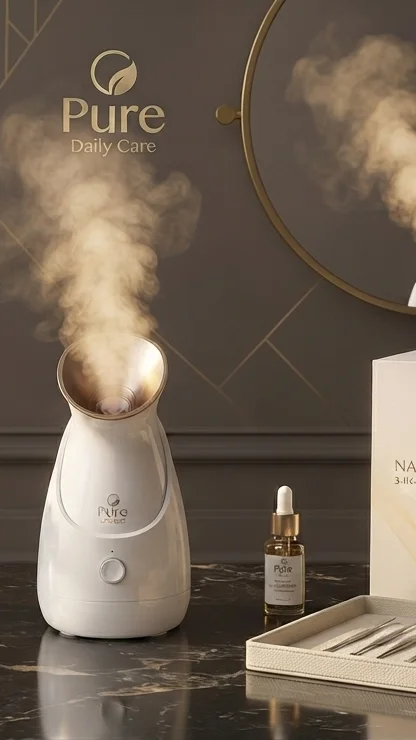
Best Facial Steamer: Pure Daily Care NanoSteamer Large 3-in-1
A facial steamer softens pore buildup – before extractions or masking. However, that makes your other products work harder. This one is a top-rated facial steamer, with a large 200ml tank rated for up to 30 minutes of steam, plus a humidifier and towel-warmer mode.
- Nano-ionic steam for deeper pore penetration
- Comes with a 5-piece stainless steel extraction kit
- Large tank for longer sessions
Use it before: exfoliating, masking, or extractions — never right before applying strong active ingredients, as it can increase sensitivity.
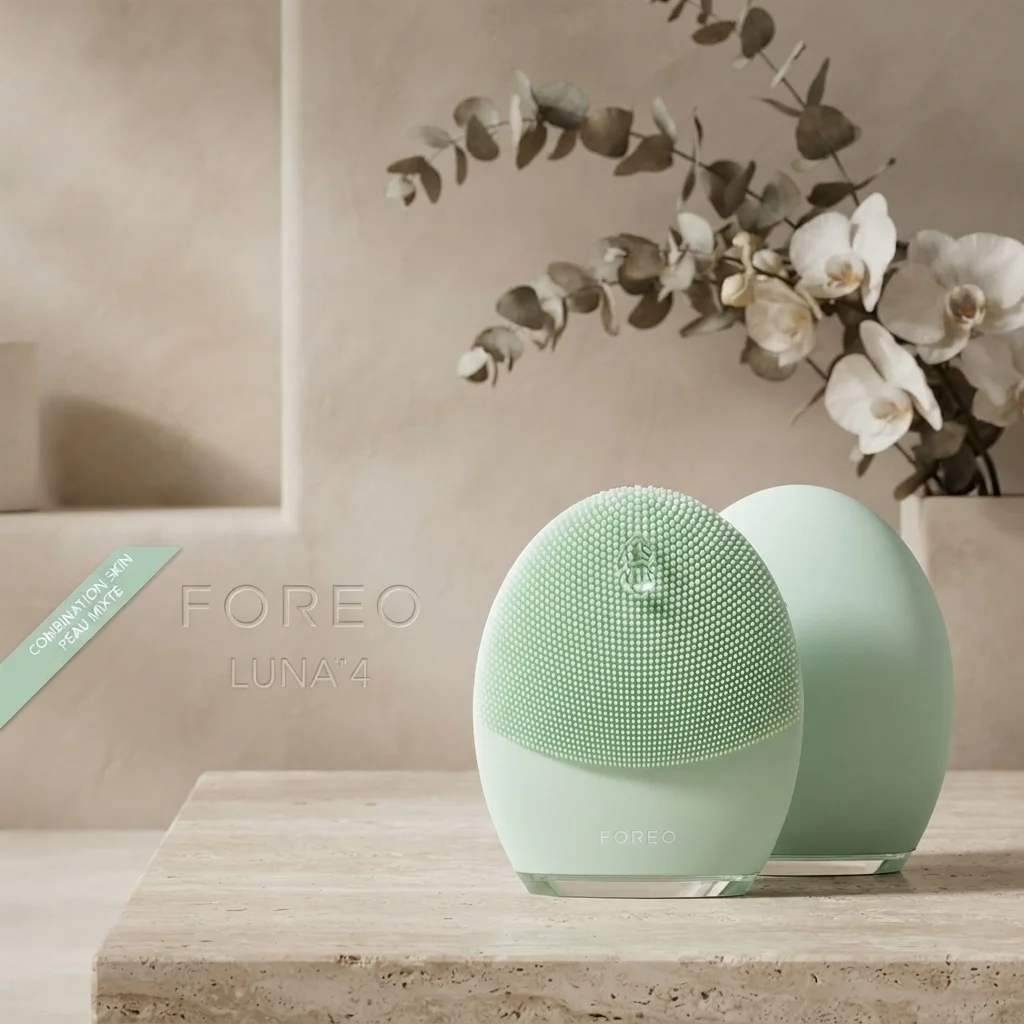
Best Deep Cleansing Facial Brush: FOREO LUNA 4
A silicone cleansing brush removes surface oil and buildup without the bacteria buildup of traditional bristle brushes. However it is important for acne prone skin. The FOREO LUNA 4 uses soft silicone touch points – and adjustable intensity. That makes it gentle enough for inflamed skin.
- Hygienic silicone (no bristles to trap bacteria)
- Multiple intensity settings for sensitive, breakout-prone skin
- Doubles as a massage tool to boost product absorption
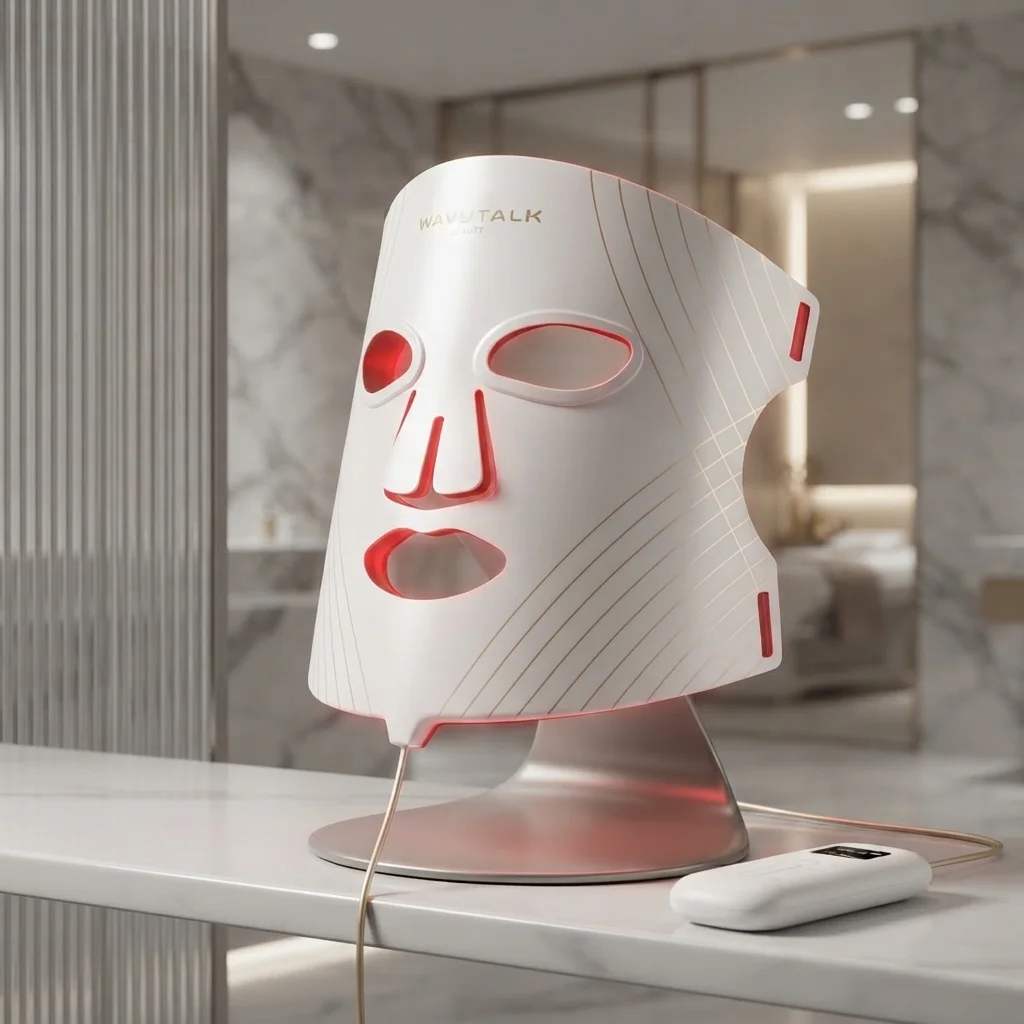
Best At-Home LED Light Therapy Mask: Wavytalk LED Face Mask
This mask offers red, blue, near infrared and amber light modes in one device. Blue light for acne causing bacteria. Red for calming inflammation. It’s a budget friendly way to bring a spa level LED facial home.
- Multiple light modes for both active breakouts and post-acne marks
- Hands-free wearable design
- Backed by thousands of Amazon reviews
How to use: 10–15 minutes, 3–5x per week, on clean, dry skin before your serums.
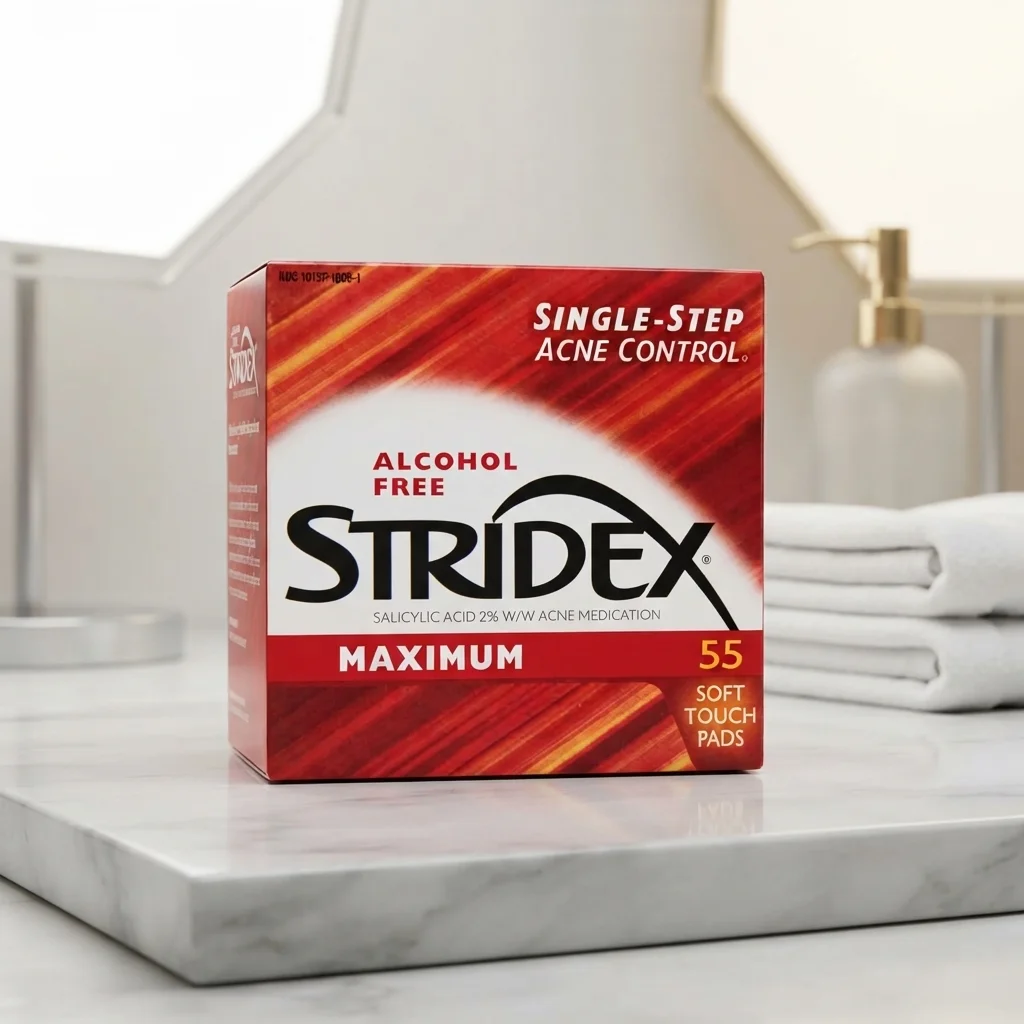
Best Salicylic Acid Treatment: Stridex Maximum Strength Acne Pads
For a chemical-peel-facial effect at home, Stridex Maximum Pads use 2% salicylic acid — the highest OTC strength allowed — in an alcohol-free, pre-soaked pad. They’re best-selling acne clearing pad and a dermatology-forum staple for a reason: they work without the harsh sting of alcohol-based competitors.
- 2% salicylic acid, alcohol-free formula
- Pre-portioned pads make application mess-free
- Good for both face and body breakouts
Tip: Start with 2–3x per week to build tolerance before using daily.
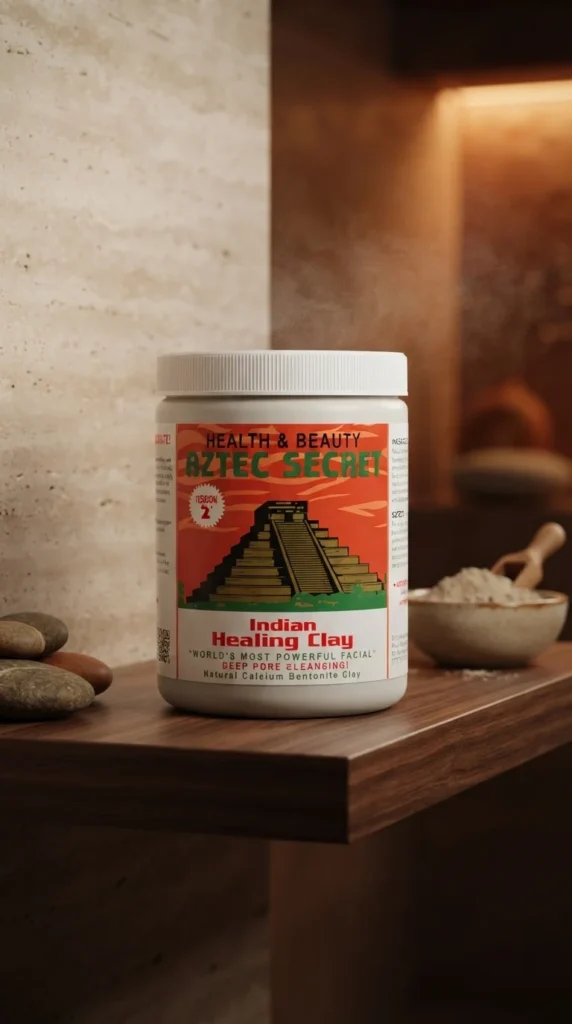
Best Deep Pore Cleansing Mask: Aztec Secret Indian Healing Clay
This is one of longest running skincare bestsellers, with tens of thousands of five star reviews. Made from 100% calcium bentonite clay, it draws out excess oil and impurities — essentially replicating the “deep pore cleansing facial” experience at home.
- Single natural ingredient – no fillers or fragrance
- Mix with water or apple cider vinegar for a stronger effect
- Works well on oily congested and acne prone skin
Tip: Start with 5–10 minutes if you have sensitive skin and never let it fully harden and crack before rinsing.
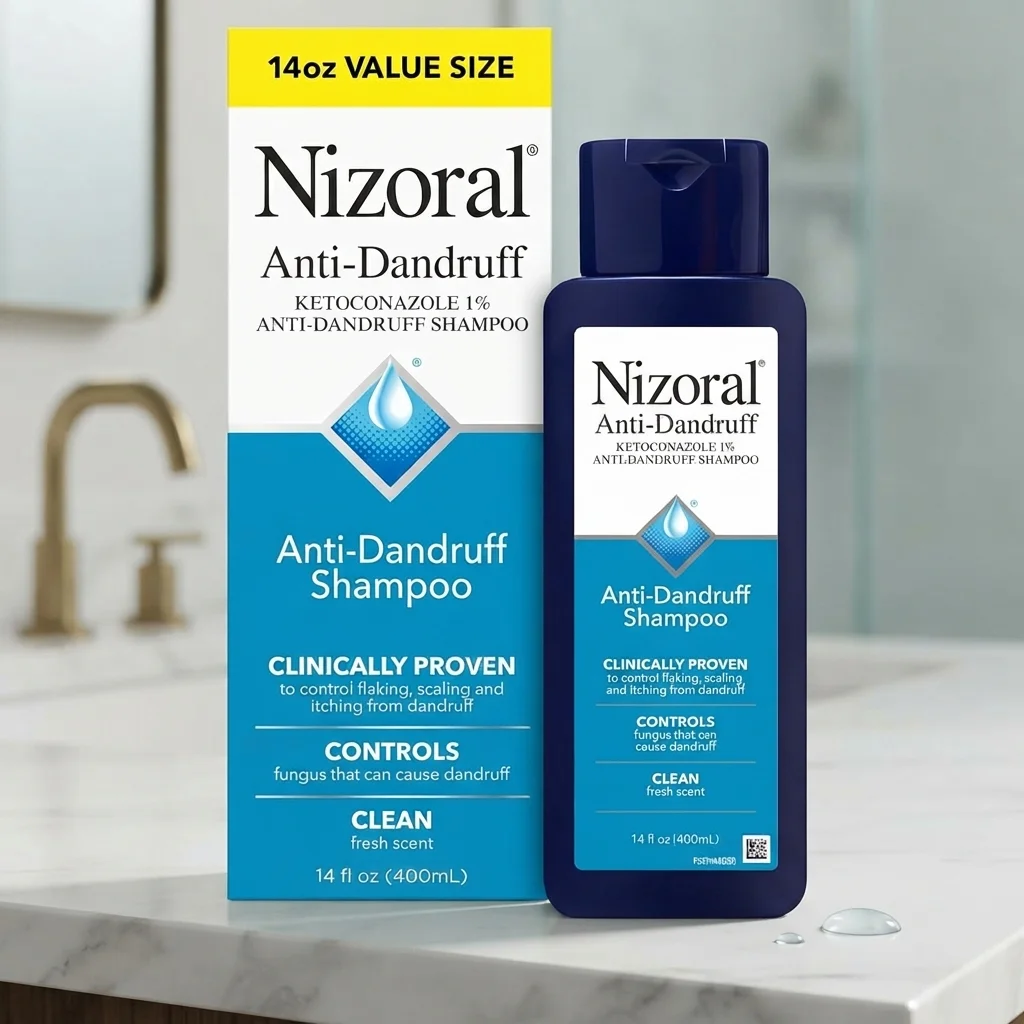
Best Cleanser for Fungal Acne: Nizoral Anti Dandruff Shampoo (Ketoconazole 1%)
If your acne isn’t getting better with regular acne treatments. It may actually be fungal acne Malassezia folliculitis. However it needs an antifungal not an antibacterial approach. Nizoral’s 1% ketoconazole formula is the most dermatologist recommended OTC option. And it is widely used off label as a facial cleanser for this exact purpose.
- 1% ketoconazole, an antifungal proven to reduce Malassezia yeast
- Widely available and affordable
- Used 2–3x per week as a quick face “mask,” rinsed after a few minutes
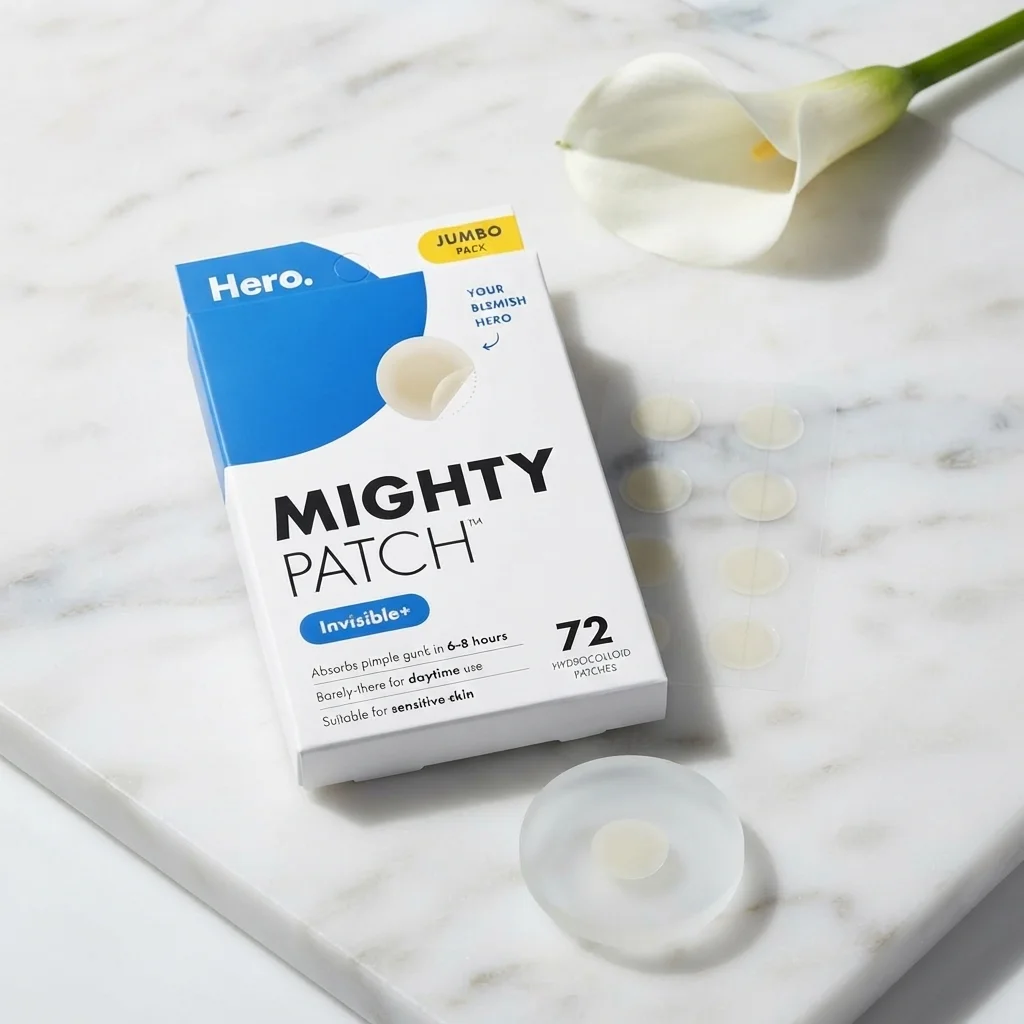
Best Spot Treatment: Mighty Patch Original Hydrocolloid Acne Patches
For active whiteheads, hydrocolloid patches absorb fluid and protect the area from picking — one of the simplest ways to prevent scarring. Mighty Patch is a bestselling acne patch, with over 100,000 units purchased monthly.
- Medical grade hydrocolloid absorbs pus/fluid overnight
- Prevents picking which reduces scarring risk
- Works best on whiteheads not blackheads or cystic acne
Step by Step: How to Do an Acne Safe Facial at Home
- Cleanse with a gentle, non stripping cleanser – to remove makeup and surface oil.
- Steam for 5–8 minutes using a facial steamer – to soften pore buildup.
- Exfoliate with a salicylic acid pad like Stridex – to dissolve oil inside the pores.
- Mask with a clay mask like Aztec Secret for 10–15 minutes – to draw out impurities.
- Rinse thoroughly with lukewarm water never hot – which can trigger more oil production.
- Treat any active whiteheads – with a hydrocolloid patch overnight.
- Use a moisturizer that doesn’t contain oil and won’t clog pores.
- SPF the next morning — always, especially after exfoliating.
Frequency: Do this full routine 1–2x per week. If you mask or exfoliate your skin every day – it can hurt your skin’s protection and make acne worse.
What to Avoid During a Facial If You Have Acne
- Over-exfoliating — more than 2–3x per week can strip your skin barrier and trigger a rebound in oil production
- Comedogenic oils — heavy massage oils and rich balms can clog pores further
- Aggressive extractions — squeezing or picking (by you or an untrained provider) risks scarring and spreading bacteria
- Skipping SPF — acids and exfoliation make skin more sensitive to sun damage and dark marks
- Mixing too many actives at once — combining retinoids, strong acids and benzoyl peroxide in one session is a common cause of irritation
How Often Should You Get a Best Facial for Acne?
For active, moderate acne, most estheticians recommend a professional facial every 4 weeks — roughly matching your skin’s natural cell turnover cycle. For maintenance or mild acne, every 6–8 weeks is often enough. At-home routines using tools like a facial steamer or LED mask can be done more frequently (1–3x per week) since they’re gentler than in-office treatments.
FAQs of Best Facial for Acne
Facial Treatment Basics
What happens during a facial?
A typical facial includes cleansing, skin analysis, steaming, exfoliation, extractions, a mask and finishing serums – SPF. For acne prone skin the esthetician will usually adjust products – to avoid pore clogging ingredients.
How often should you get facials?
For acne prone skin every 4 weeks is a common recommendation. Matching your skin’s natural renewal cycle. Sensitive or reactive skin may do better every 6–8 weeks.
Do facials remove blackheads?
Yes — a deep pore cleansing or extraction facial is specifically designed to soften and manually remove blackheads after steaming opens the pore.
What is a deep pore cleansing facial?
It’s a facial focused on steaming the skin. Then manually extracting blackheads and whiteheads. However it is followed by a calming or clay based mask – to reduce inflammation.
Which facial is best for glowing skin?
For acne prone skin specifically a chemical peel facial or HydraFacial tends to deliver the clearest. However most even looking glow – since both combine exfoliation with hydration.
Understanding Acne Causes & Triggers
Can irritation cause acne?
Yes. Physical irritation such as friction, harsh scrubbing or skincare chemicals. That react with the skin – can cause inflammation that leads to pimples. Especially in people who are already acne prone.
Can makeup cause acne?
Certain makeup formulas containing comedogenic oils or heavy silicones – can clog pores and contribute to breakouts. Particularly if not removed thoroughly – at the end of the day.
Does high estrogen cause acne?
Hormonal fluctuations including changes in estrogen relative to other hormones – like testosterone. It can influence oil production and contribute to breakouts. Therefore acne often flares around the menstrual cycle.
Can Greek yogurt cause acne?
Dairy, including yogurt has been linked in some studies – to acne flares in certain individuals. Moreover due to hormones and growth factors – naturally present in milk products. From person to person – the effect is very different.
Can peanut butter cause acne?
There’s no strong direct evidence – linking peanut butter itself to acne. Though high glycemic and processed foods in general have been associated with breakouts – in some research. Individual sensitivity varies.
Which lesions commonly occur with acne?
Blackheads, whiteheads, papules and pustules – are some of the most common acne lesions. However in more severe cases – nodules and cysts.
Ingredients That Help Acne & Scarring
Does salicylic acid help with acne scars?
Salicylic acid primarily treats active acne – by exfoliating inside the pore. But its exfoliating action can also help fade the appearance of surface level post acne marks over time. It’s less effective on deeper textured scarring.
Does glycolic acid help with acne?
Yes — glycolic acid resurfaces the skin’s outer layer. However it can reduce clogged pores and fade discoloration left behind by breakouts. Though it works more on the skin’s surface – than salicylic acid does.
Is hyaluronic acid good for acne scars?
Hyaluronic acid doesn’t treat scarring directly. However it helps keep the skin hydrated – and supports barrier repair. Which can make acne treatments – more tolerable and support smoother looking skin over time.
Redness & Irritation
How do I prevent redness from acne?
Avoid picking – use gentle non abrasive cleansers. Slowly add active ingredients and always follow them up with a moisturizer that doesn’t have any scent.
How do I get rid of bumps that make my skin red?
A cool compress, a fragrance free moisturizer with ceramides or a red light therapy session – can help calm redness. Avoid layering multiple strong activities at once – Which can worsen irritation.
How can I relieve acne redness fast?
A short cool compress and a calming, non comedogenic moisturizer are the fastest at home options. LED red light therapy sessions – can also provide relatively quick relief from surface inflammation.
Pores
How do I reduce pores on my face?
Regular gentle exfoliation with salicylic acid – along with clay masking to remove buildup. It can make pores appear smaller – by keeping them clear of oil and debris. Pore size itself is largely genetic and can’t be permanently changed.
How do I minimize or shrink pores on my face?
Consistent use of a BHA like salicylic acid, along with non comedogenic moisturizers and daily SPF is the most effective at home approach. In office chemical peels can offer a more dramatic short term improvement.
Product & Cleanser Questions
What are the best cleansers for fungal acne?
Antifungal cleansers containing ketoconazole or zinc pyrithione. Like Nizoral Anti Dandruff Shampoo used as – a quick facial wash. It is commonly recommended for fungal acne Malassezia folliculitis. However typical acne products won’t treat the underlying yeast.
Is cleanser and face wash the same?
They’re often used interchangeably. But “cleanser” can also refer to non foaming options – like micellar water or cleansing balms. However “face wash” usually implies a foaming, rinse off formula.
Final Thoughts of Best Facial for Acne
The best facial for acne depends on your skin’s specific needs — deep pore cleansing and chemical peels for clogged pores, LED therapy for sensitive or inflamed skin and consistent at-home care in between professional visits. Building a simple consistent routine with the right tools, steamer, salicylic acid treatment, clay mask will get you further than any single “miracle” facial.
If your acne is severe, cystic or not responding to over the counter products. It’s worth seeing a board certified dermatologist – rather than relying on facials alone.
Disclaimer:
This article is for informational purposes only. And it’s not a replacement for medical advice from a doctor. Consult with a dermatologist – for persistent or severe acne.