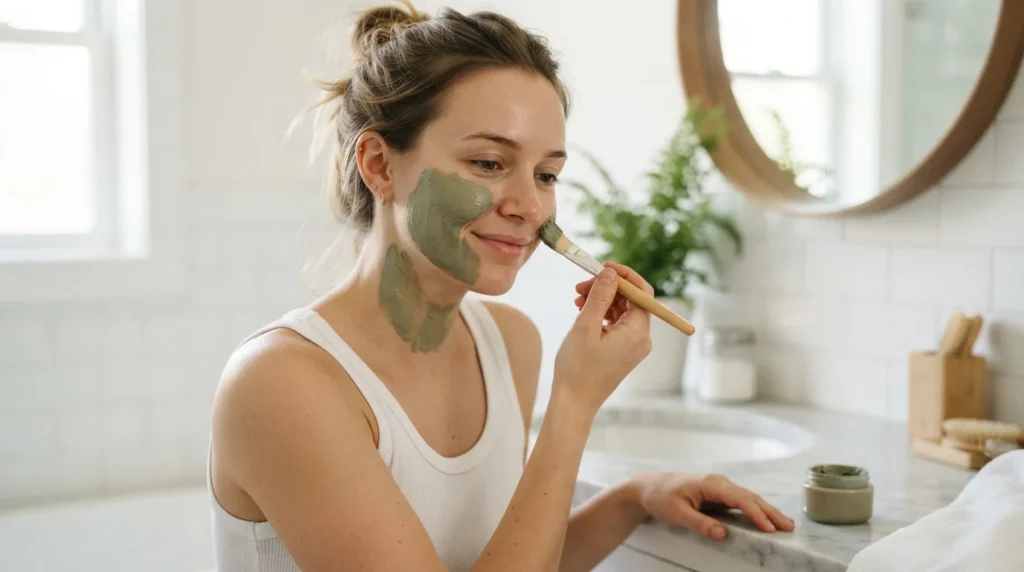
If you’ve ever stood in front of the mirror picking at a fresh breakout – wondering what you did wrong this time – you’re not alone. Acne doesn’t care about your age – your skincare budget or how many times you’ve sworn off dairy this month. It just shows up. Face masks aren’t a magic bullet but the proper one used correctly can be really helpful. A best face masks for acne pulls oil and gunk out of your pores – calms inflammation and gives active ingredients. Like salicylic acid or clay, a chance to actually sit on your skin long enough to work. In this guide we dug through ingredient lists, dermatologist advice and real user feedback to put together. So you don’t have to spend your Saturday night reading the backs of forty different jars.
This post contains affiliate links. If you buy using one of these links, we may receive a small fee at no additional cost to you.
What Actually Causes Acne, Anyway?
Before you go mask shopping, it helps to know what you’re fighting. Acne usually comes down to a mix of a few things happening at once. Your skin produces extra oil. Dead skin cells clog the pore instead of shedding normally. Bacteria move in and multiply – and your immune system responds with inflammation. These are the redness and swelling you see. Hormones, stress and genetics all influence how much oil your skin makes and how it reacts – which is why the same product can work beautifully for one person and do nothing for another.
This is exactly why masks can help. They are one of the few products that actually sit on your skin long enough to absorb oil – unclog pores or offer a concentrated dose of an acne fighting ingredient, something a rapid cleanser rinse can’t really achieve.
For a full grooming routine, don’t forget the best shave oils to prevent post-shave breakouts.
How to Choose the Right Acne Mask
It’s important to use the right mask. Because the wrong one can make your face look even worse. This is what you need to find.
Ingredients that help:
- Salicylic acid – a BHA that gets into the pores and breaks up the buildup – that leads to blackheads and whiteheads.
- Benzoyl peroxide – kills acne-causing bacteria directly
- Sulfur – old-school but effective at drying out active breakouts
- Clay (kaolin or bentonite) – soaks up extra oil and pulls out dirt
- Tea tree oil – a gentler – more natural antibacterial option
- Niacinamide – calms redness and helps regulate oil production over time
Ingredients to be cautious with:
- Heavy oils like coconut oil – which can clog pores further on acne-prone skin
- Added fragrance, which can irritate already-inflamed skin
- High concentrations of alcohol, which dries skin out and can trigger even more oil production as a rebound effect
Match it to your skin type. Oily and combination skin generally tolerate clay and exfoliating masks well. Sensitive or dry skin — even if it’s also acne-prone — usually does better with gentler formulas and less frequent use. And always patch test a new mask on your jaw or inner arm before putting it all over your face. It’s better to have a day of light irritation on a small area of your face. Than to have irritation all over your face for a week.
The Best Face Masks for Acne in 2026
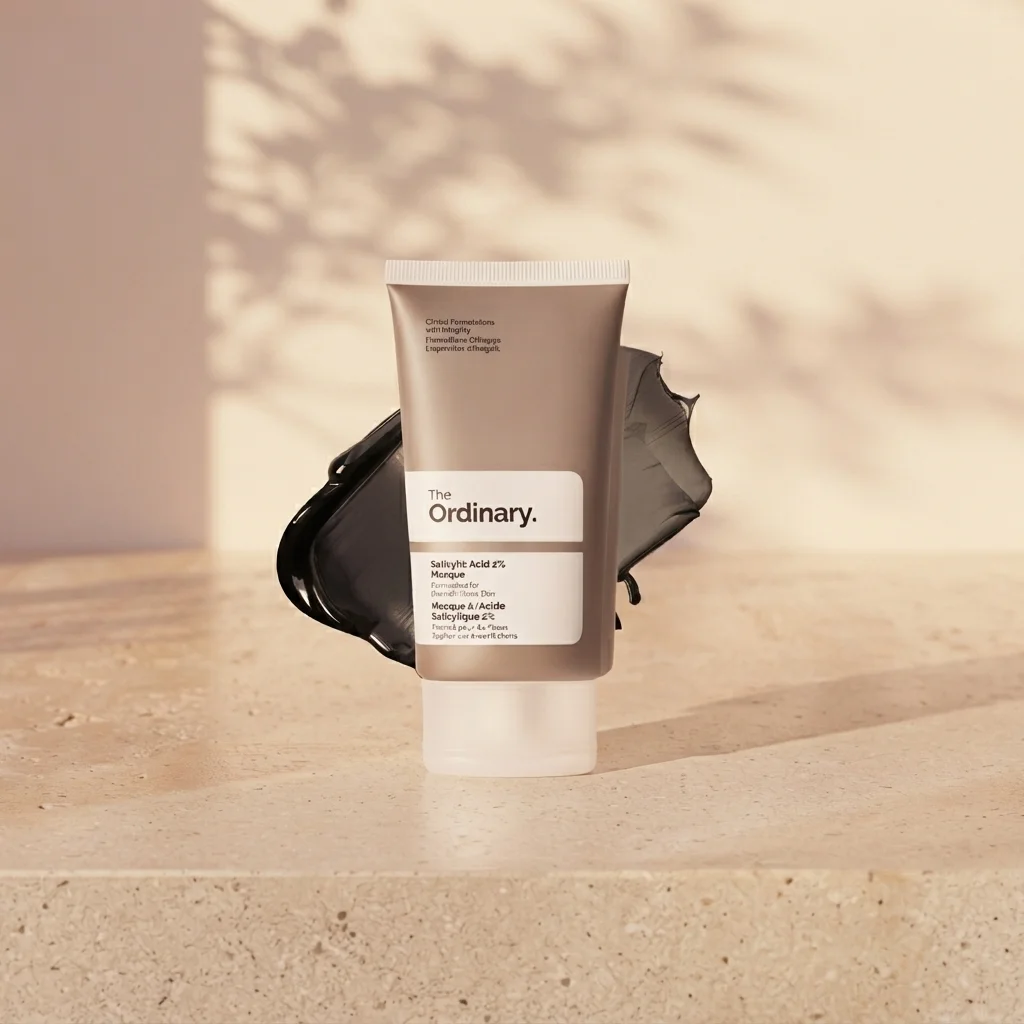
Best Overall The Ordinary Salicylic Acid 2% Masque
This one is on almost every list of trusted dermatologist approved products for a reason. It combines 2% salicylic acid with charcoal and clay to exfoliate inside the pore – while also drawing oil out from the surface. It’s unscented, budget friendly and strong enough to make a visible difference – without being harsh enough to strip your skin raw.
Best for: Oily and combination skin dealing with – blackheads and clogged pores.
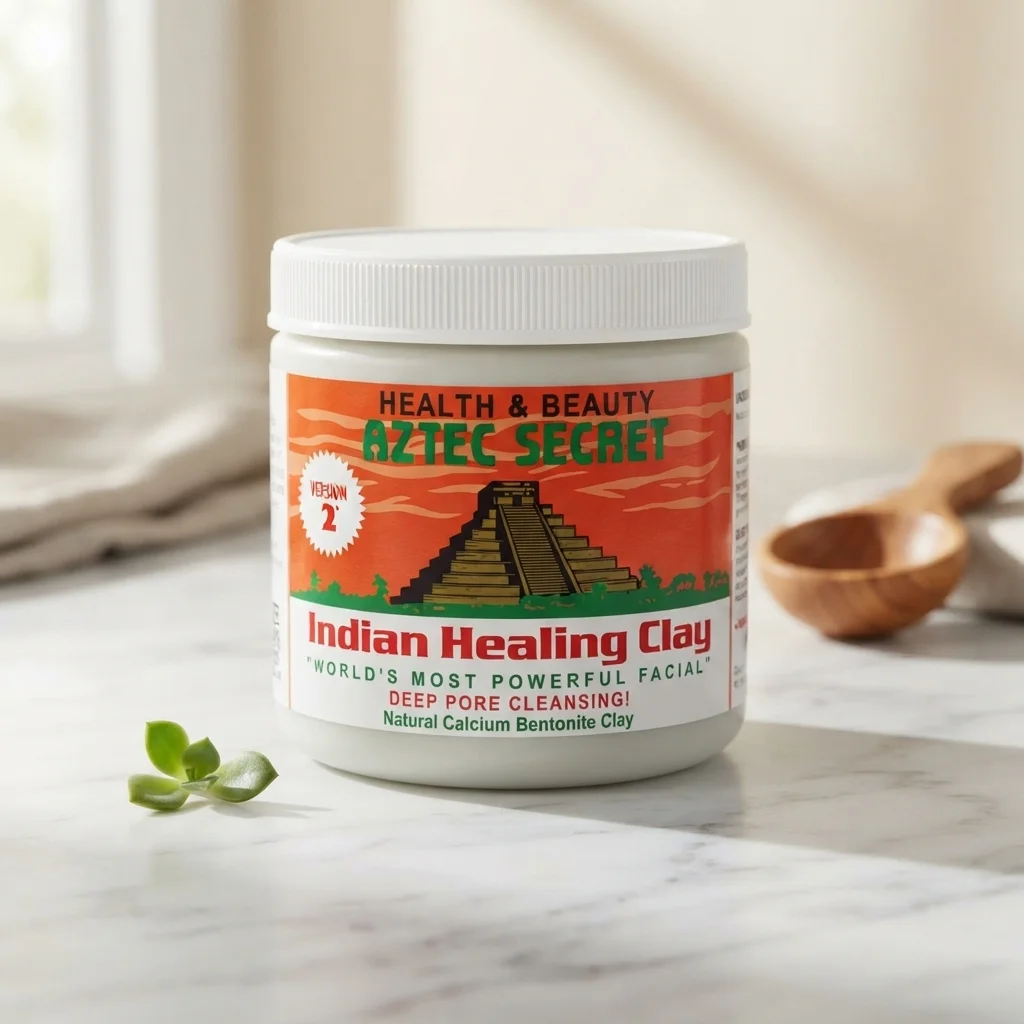
Best Budget Pick: Aztec Secret Indian Healing Clay
A cult favorite for a reason this is 100% calcium bentonite clay – that you mix yourself with water or apple cider vinegar. It’s inexpensive, has a devoted following and does an impressive job pulling oil and impurities out of the skin. The tradeoff is that it’s a bit of a production to mix and can feel tightening on the skin. So it’s not ideal for anyone with dry or reactive skin.
Best for: Oily skin on a budget – including body acne on the chest or back.
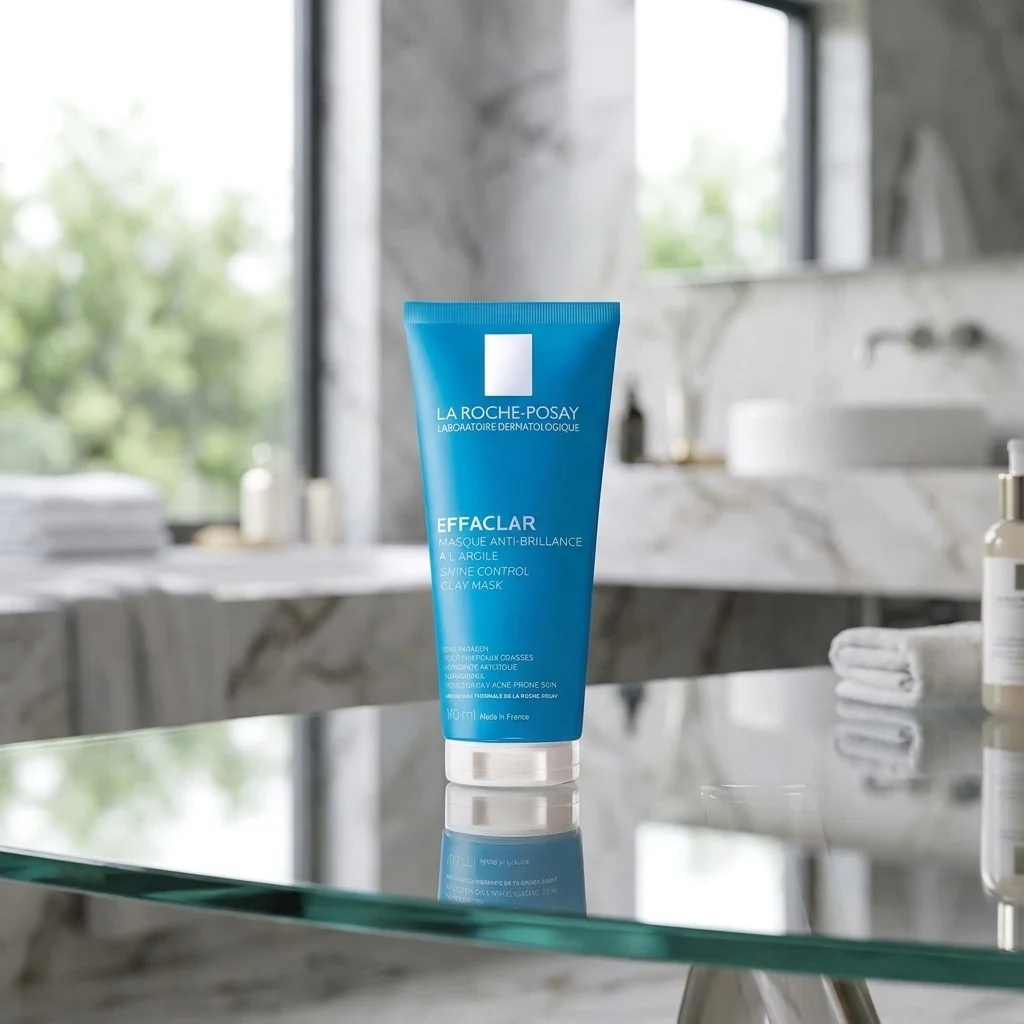
Best for Sensitive Skin: La Roche Posay Effaclar Clay Face Mask
This clay mask is specifically formulated to be gentle enough for sensitive skin – while still controlling shine and unclogging pores. It’s meant to be left on for just five minutes – which keeps it from over drying reactive skin the way stronger clay or charcoal masks can.
Best for: Reactive or easily irritated skin – that still deals with oiliness and breakouts.
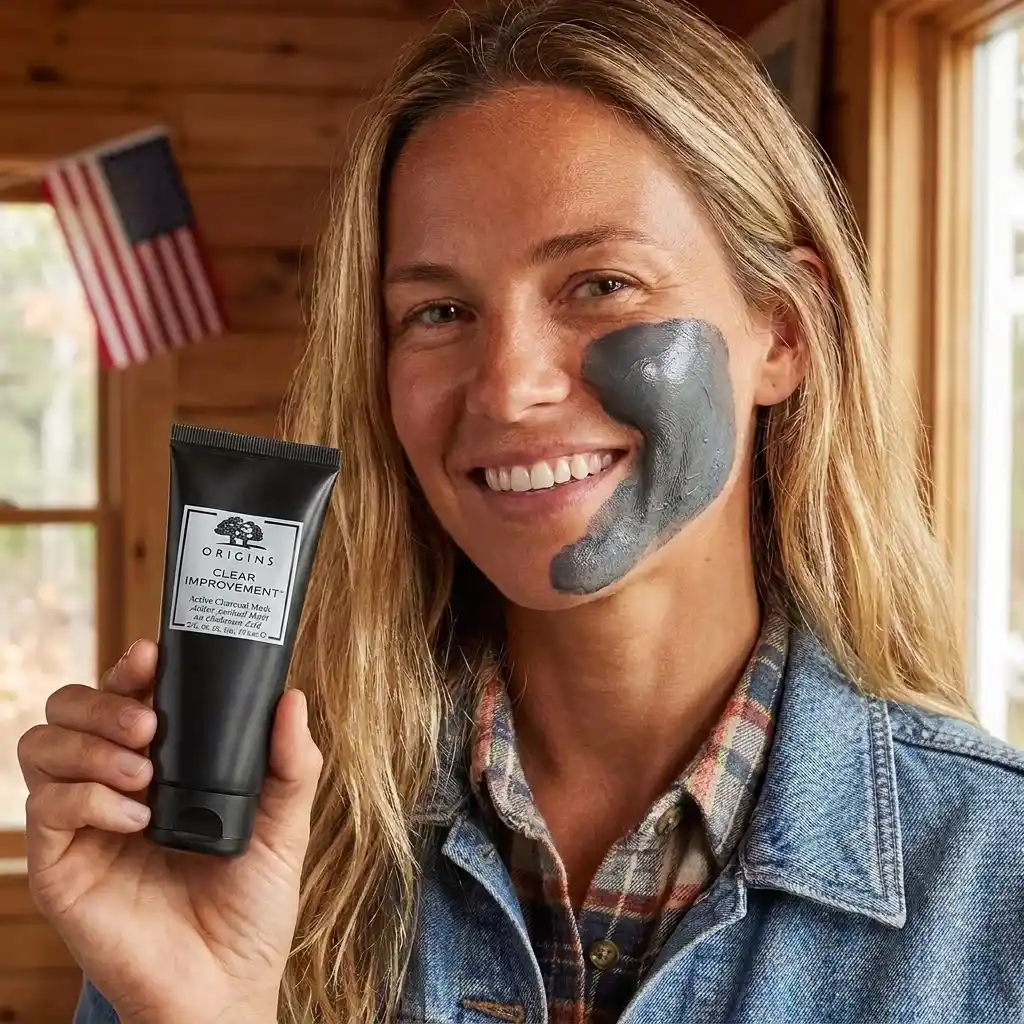
Best Clay Mask: Origins Clear Improvement Active Charcoal Mask
Charcoal and clay work together to make this a strong oil absorbing choice – that is gentle enough to use every day without feeling too drying. If you want to feel like your skin can breathe again after washing it off – this is a good choice.
Best for: Oily skin and clogged and congested pores.
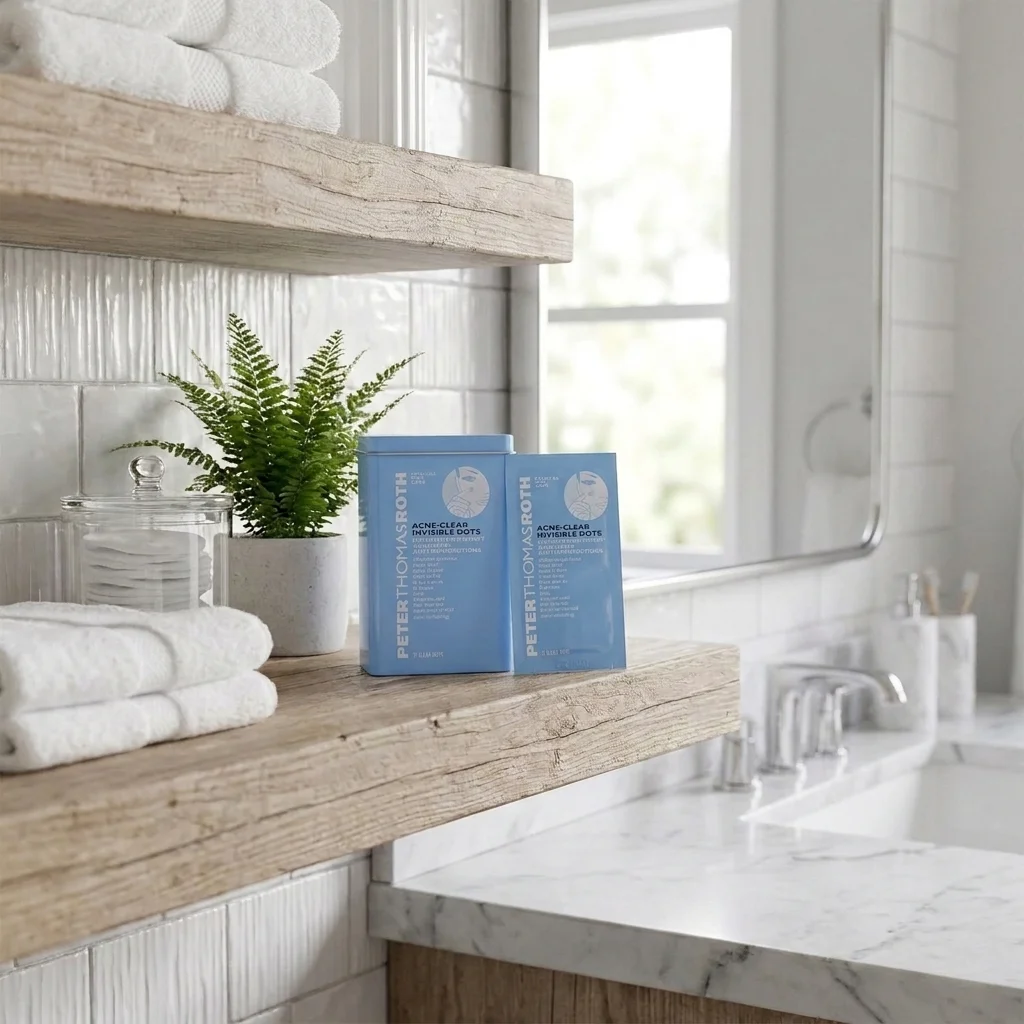
Best Spot Treatment Mask: Peter Thomas Roth Acne Clear Invisible Dots
Instead of a full face mask, this is a targeted patch style treatment with salicylic acid designed to sit directly on individual pimples overnight. When you only need to treat one or two active spots – it works great with a full mask routine.
Best for: Occasional breakouts rather than widespread acne.
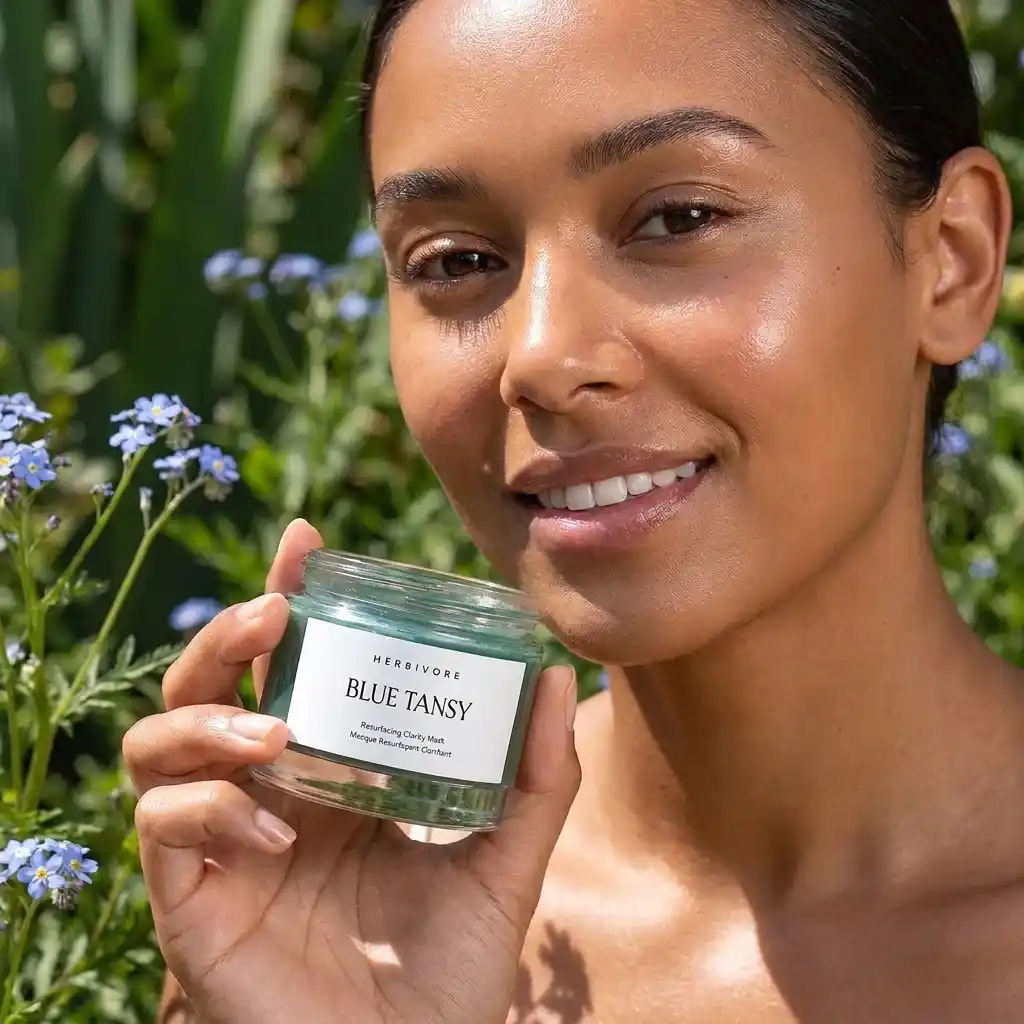
Best Natural/Clean Beauty Option: Herbivore Blue Tansy Resurfacing Mask
Natural AHAs and blue tansy oil – which calms and reduces inflammation, are used in this one instead of harsher manufactured actives. It’s a gentler resurfacing option for people – who want results without a long ingredient list of actives they can’t pronounce.
Best for: Clean-beauty fans with mild to moderate acne.
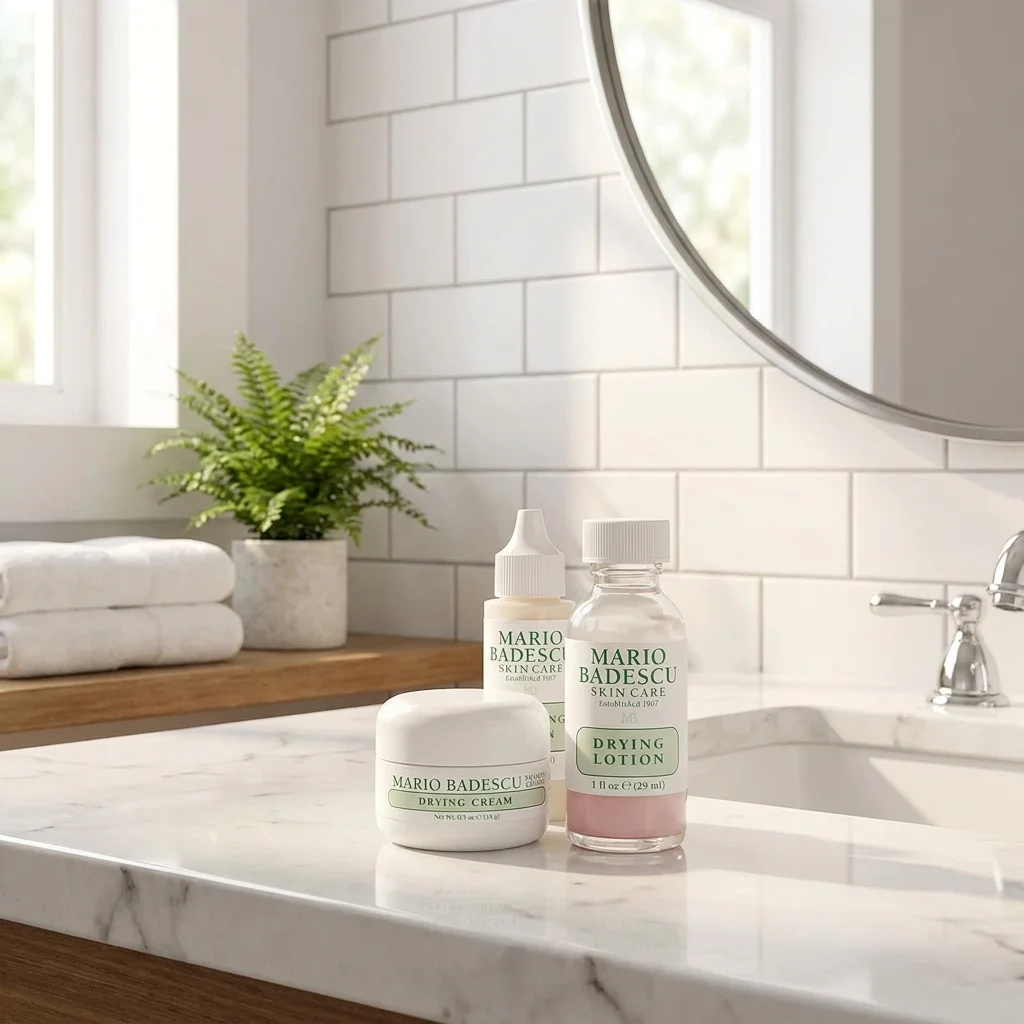
Best for Cystic Acne: Mario Badescu Drying Lotion
This cult classic spot treatment combines salicylic acid and sulfur in a pink – sediment based formula you dab directly onto a blemish overnight. It’s built for surface level and emerging breakouts rather than a full face mask, but it’s one of the most consistently recommended options for calming a painful spot fast.
Best for: Individual, painful breakouts. Also you should see a dermatologist if you have cystic acne that won’t go away or is spread out. Spot treatments alone often aren’t enough.
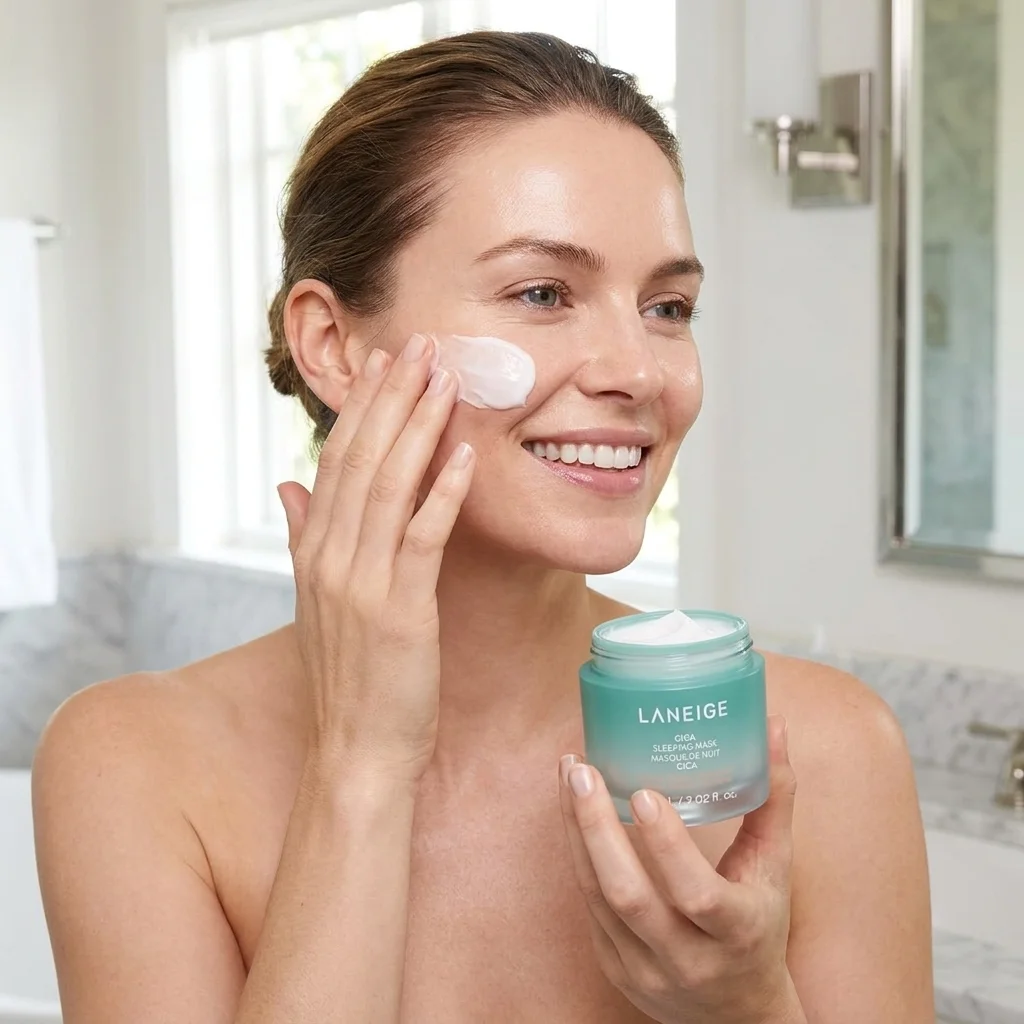
Best Overnight Mask: Laneige Cica Sleeping Mask
This overnight balm is built around centella asiatica (cica) – a calming ingredient that helps repair the skin barrier while you sleep. It’s not marketed as an acne treatment. But a healthy skin barrier is what keeps oil production balanced and skin resilient to breakouts in the first place. So it pairs well as a barrier support step alongside an actual acne treatment, not as a replacement for one.
Best for: Anyone whose acne prone skin also feels irritated – over exfoliated or barrier compromised.
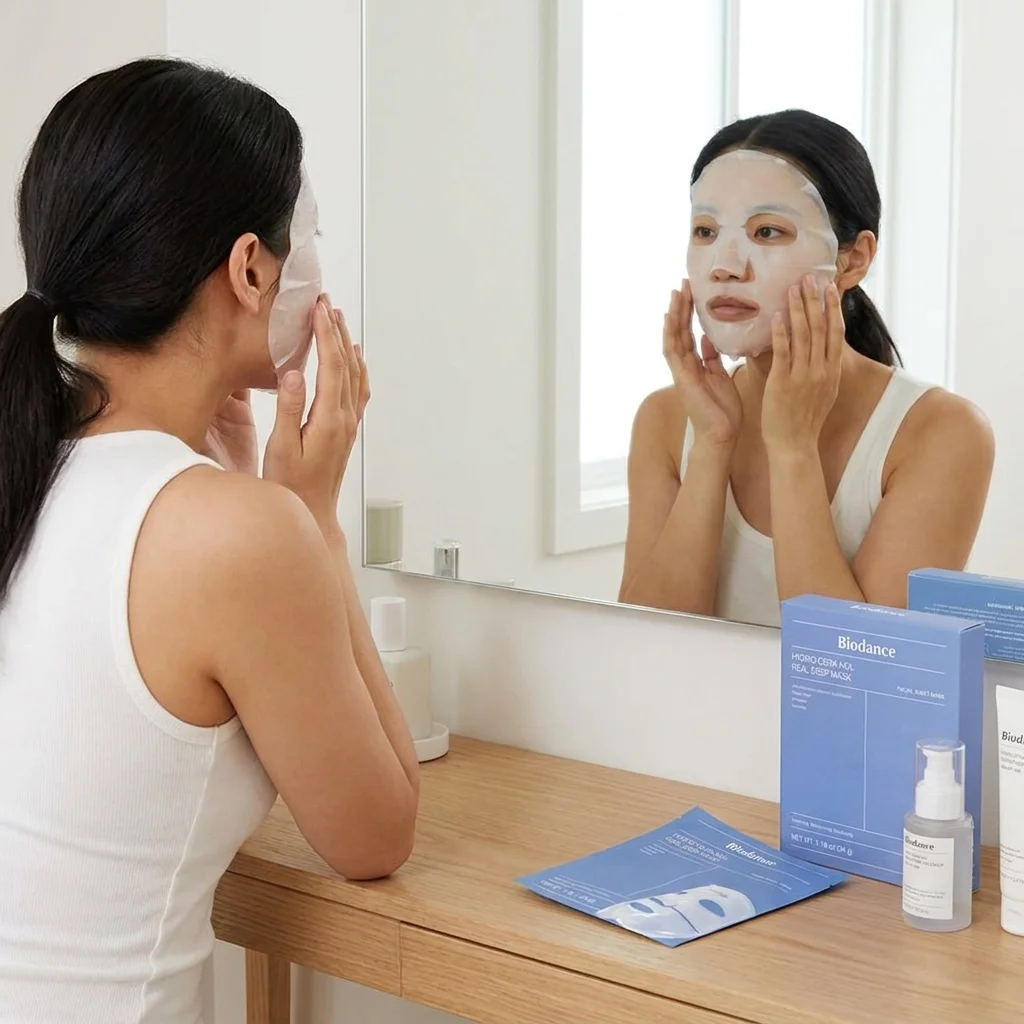
Best Korean/Sheet Mask for Acne: Tea tree or centella-based Korean sheet masks
K beauty sheet masks aren’t usually as concentrated as a wash off clay or acid mask. but they’re excellent for calming inflammation and delivering soothing ingredients – like centella asiatica (also called cica), propolis or tea tree extract. You can’t use them instead of a salicylic acid treatment. But they’re a nice, light addition for days when your skin needs to be soothed more than scrubbed.
Best for: Calming irritated – post breakout skin without added actives.
Quick Comparison of Best Face Masks for Acne
| Mask Type | Best For | Key Ingredient | Use Frequency |
|---|---|---|---|
| The Ordinary Salicylic Acid 2% Masque | Oily/combo skin | Salicylic acid | 2–3x/week |
| Aztec Secret Indian Healing Clay | Budget, oily skin | Bentonite clay | 1x/week |
| La Roche-Posay Effaclar Clay Mask | Sensitive skin | Clay | 1–2x/week |
| Origins Clear Improvement Charcoal Mask | Congested pores | Charcoal + clay | 1–2x/week |
| Peter Thomas Roth Acne-Clear Invisible Dots | Spot treatment | Salicylic acid | As needed |
| Herbivore Blue Tansy Resurfacing Mask | Clean beauty | Willow bark BHA + blue tansy | 1–2x/week |
| Mario Badescu Drying Lotion | Cystic/emerging breakouts | Salicylic acid + sulfur | Overnight, as needed |
| Laneige Cica Sleeping Mask | Barrier repair | Centella asiatica | 2–3x/week |
| Korean sheet masks | Soothing/calming | Centella, tea tree | 2–3x/week |
How to Use a Face Mask for Acne (Without Overdoing It)
- Start with clean dry skin. Masks work best when there’s no makeup – sunscreen or leftover product in the way.
- Apply an even layer, avoiding your eye area and any open or actively irritated cuts.
- Follow the timing on the label. Clay masks usually want 10 to 15 minutes leaving them on until they’re bone dry and cracking actually. It makes them more irritating, not more effective.
- Rinse with lukewarm water – not hot. Hot water strips your skin and can trigger more oil production later.
- Moisturize afterward – even if your skin is oily. A lot of people make mistakes – when they don’t put lotion on after using an acne mask. A lot of the time – it backfires and makes breakouts worse instead of better.
- The next morning, use SPF, especially if your mask has acids that exfoliate. Because skin that has just been exfoliated is more sensitive to the sun.
Most dermatologists recommend acne masks 1–3 times a week, depending on the formula. More isn’t better here over masking is one of the fastest ways to damage your skin barrier – and end up with more irritation than you started with..
Common Mistakes to Avoid
- Over-exfoliating. Using an acid mask and a physical scrub in the same week is a common way to trigger a breakout, not prevent one.
- Mixing too many actives at once. Layering a retinol a salicylic acid mask and benzoyl peroxide all in the same routine is more likely to cause irritation than clear skin faster.
- Popping pimples right after masking. Warm softened skin might feel tempting to pick at – but this is when you’re most likely to cause scarring.
- Ignoring the patch test. Many people get a face full of redness – the nite before something important because they didn’t do it.
Frequently Asked Questions
Do face masks really help acne?
Yes when they contain proven ingredients – like salicylic acid, benzoyl peroxide, sulfur or clay. You can’t get rid of hormonal or cystic acne with just these drugs. But they can meaningfully reduce oil, unclog pores and calm inflammation – as it part of a broader routine.
To what extent should I use an acne mask?
Most dermatologists suggest 1 to 3 times a week. Clay and exfoliating masks are best kept to once or twice weekly – while gentler soothing masks can be used a bit more often.
Can face masks make acne worse?
Yes if they’re too harsh – used too often or contain pore clogging ingredients. If you scrub or dry your skin too much, it can make oil production go back up. Which leads to more breakouts not fewer.
What’s better for acne: clay or charcoal masks?
Both absorb oil well. Clay is usually kinder and better for everyday use. While charcoal is slightly more intense and often better suited to occasional deep cleaning sessions – rather than daily rotation.
Are DIY face masks effective for acne?
Some can help — honey and simple clay and water mixes have mild antibacterial or oil absorbing properties. But DIY masks made with lemon juice, baking soda or toothpaste are – generally too harsh and can damage the skin barrier. So they’re best avoided.
General FAQS
Is Eucerin good for acne?
Eucerin’s DermoPure line is specifically formulated for acne prone and oily skin – often featuring salicylic acid and other blemish targeting ingredients. And it’s generally well tolerated by sensitive skin too. It’s a reasonable option if you want a drugstore accessible, dermatologist friendly brand. Though as with any product results depend on – your specific skin type and the severity of your acne.
To what extent should I apply a collagen mask?
Collagen masks are mostly used – to moisturize and firm the skin, not to treat acne. So they’re generally safe to use 1 to 2 times a week. If your skin is acne prone, look for a collagen mask that’s labeled non comedogenic and consider using it on a separate day from your salicylic acid or clay treatments – So you’re not layering too many products at once.
Do Korean face masks work for acne?
Korean sheet masks are generally more about hydration and calming – than aggressive acne fighting. Since they’re often formulated with soothing ingredients – like centella asiatica, propolis or tea tree extract. They’re a nice addition for calming irritated, post breakout skin. But they typically won’t replace a salicylic acid – or benzoyl peroxide treatment for active breakouts.
Does exfoliating help with acne?
Yes in moderation. Chemical exfoliants like salicylic acid work inside the pore to clear the buildup – that causes breakouts. While physical scrubs just clean the surface and can actually irritate active acne. Over exfoliating with either type, though – can damage your skin barrier and make breakouts worse. So 2 to 3 times a week is usually the ceiling – not a daily habit.
So, What’s the Best Face Mask for Acne?
There’s no single best face mask for acne that works for everyone. Think about what kind of skin you have.
How bad is your acne?
How long does it take for your skin to hurt?
If you’re just starting out – The Ordinary’s Salicylic Acid Masque is a low risk, high reward place to begin. If your acne runs deeper or more cystic, pairing a gentler weekly mask with a targeted spot treatment will likely serve you better than one all purpose product.
Whatever you choose, give it a few weeks before judging results and don’t be afraid to see a dermatologist if breakouts are painful, deep or not improving — masks are a great supporting tool, but they’re not a replacement for professional treatment when you need it.
Have a mask that’s worked for your skin? Drop it in the comments — we’re always updating this list based on real results, not just marketing claims.