If you’ve ever winced brushing your teeth because a canker sore is sitting right where your toothbrush lands, you already know how miserable these little ulcers can be. What a lot of people don’t realize is that the toothpaste in their bathroom cabinet might be part of the problem — not the injury, the stress or the pizza they ate last night, but the foaming agent in their everyday toothpaste. In this guide, we’ll break down why certain toothpaste ingredients aggravate canker sores, what to look for on the label instead and which specific products are worth adding to your cart. We’ll also answer over 30 of the most common questions people ask about best toothpaste for canker sores, from jaw pain to salt rinses to whether cold sores and canker sores are actually the same thing (they’re not).
Affiliate Disclosure:
This post contains affiliate links. We might get a small fee from Amazon if you buy something through our link. It doesn’t cost you more.
If the pain feels more like it’s coming from the tooth itself rather than the surrounding tissue, check out our guide on how to relieve a toothache fast for additional relief options.
What Causes Canker Sores?
Canker sores medically known as aphthous ulcers are small shallow lesions – that form on the soft tissue inside your mouth. Where your lips meet, your tongue, your cheeks or the bottom of your gums. They are not caused by a bug like cold sores and they don’t spread.
Doctors still don’t know the exact cause. But several triggers show up again and again in research and clinical practice –
- The mouth gets hurt when you bite your cheek – eat something sharp or use a rough toothbrush.
- Stress and lack of sleep.
- Being sensitive to certain foods – especially those that are acidic or hot.
- Toothpaste containing sodium lauryl sulfate (SLS).
- Not getting enough minerals and vitamins, especially iron, folate and vitamin B12.
- Hormonal changes
- Underlying conditions like celiac disease, Crohn’s disease or other autoimmune issues in people with frequent, severe outbreaks
If your canker sores are occasional, the toothpaste and lifestyle fixes below will likely help. If they’re frequent, large or slow to heal. It’s worth a conversation with your doctor or dentist – since recurring sores can sometimes point to something else going on.
Why Your Toothpaste Might Be the Culprit
Most mainstream toothpaste brands rely on sodium lauryl sulfate (SLS) – to create that satisfying foam when you brush. SLS is a detergent and it’s very good at what it does — a little too good in some people’s mouths. It can strip away a thin layer of protective mucus on the soft tissue of your mouth. Leaving the tissue more exposed to irritation and for some people more prone to developing canker sores in the first place.
A 2019 research review found that switching to an SLS free toothpaste. However It may help reduce how often certain people get canker sores, particularly those who already deal with them regularly. It’s worth noting that dental researchers still consider. This is a low risk, moderate benefit strategy. It won’t work for everyone but there’s essentially no downside to trying it.
SLS isn’t the only ingredient that can cause trouble. A few others worth watching for –
- Cinnamon flavoring (cinnamaldehyde) is a known irritant for sensitive oral tissue in some people
- Alcohol based ingredients are more common in mouthwash than toothpaste, but still worth checking
- Strong whitening agents and abrasives can be harsh on already-inflamed tissue
What to Look for in a Canker Sore Friendly Toothpaste
When you’re shopping, run through this quick checklist:
- SLS-free formula — the single biggest factor for most people
- Mild or no strong flavoring — skip heavy cinnamon or intense mint if your mouth is sensitive
- Fluoride still included — going SLS-free doesn’t mean giving up cavity protection
- Soothing add-ins — ingredients like xylitol, aloe vera or vitamin E can help calm irritated tissue
- ADA Seal of Acceptance — a good baseline signal of safety and effectiveness
Best Toothpastes for Canker Sores
Here are five toothpastes that consistently show up – as solid choices for people managing canker sores. It based on their ingredient lists and how well they meet the checklist above.
| Toothpaste | Best For | SLS-Free | Fluoride |
|---|---|---|---|
| Squigle Enamel Saver | Best Overall | Yes | Yes |
| Tom’s of Maine Anticavity (Fluoride Free) | Best Natural/Clean Formula | Yes | No |
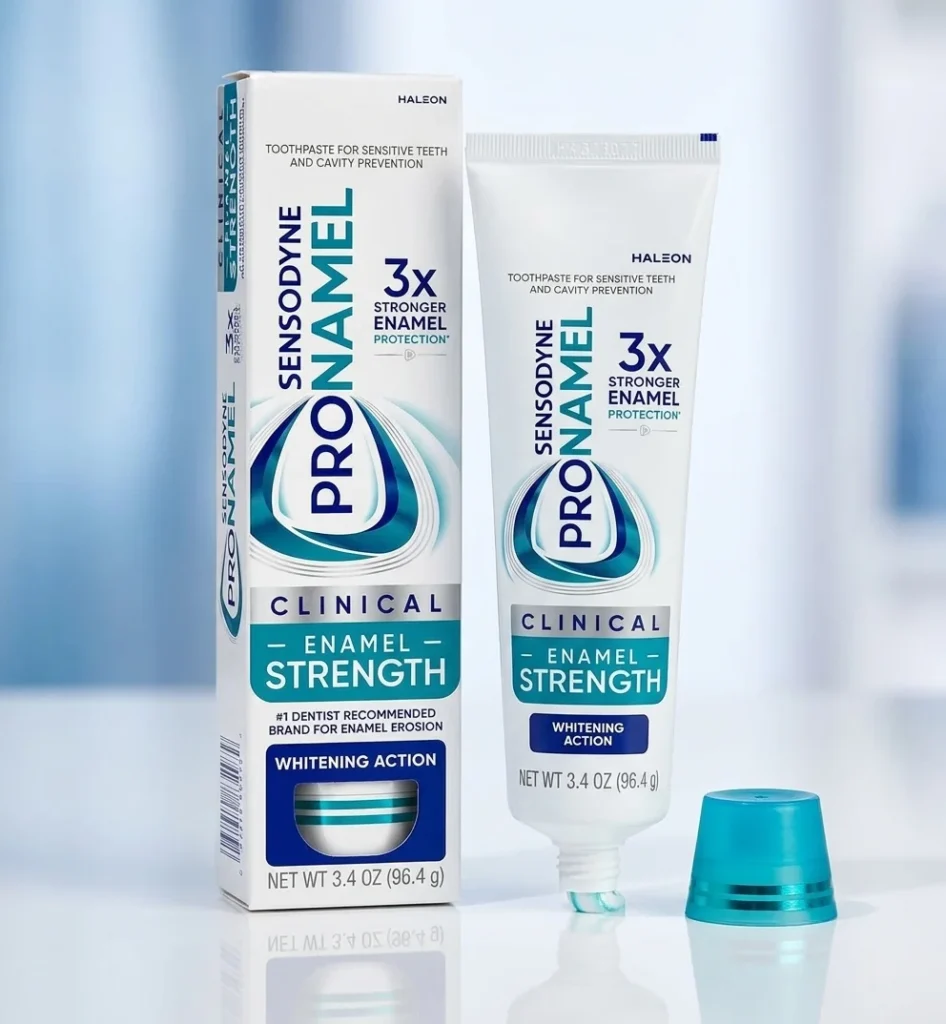
| Sensodyne Pronamel Gentle Whitening | Best for Sensitive Mouths | Yes | Yes |
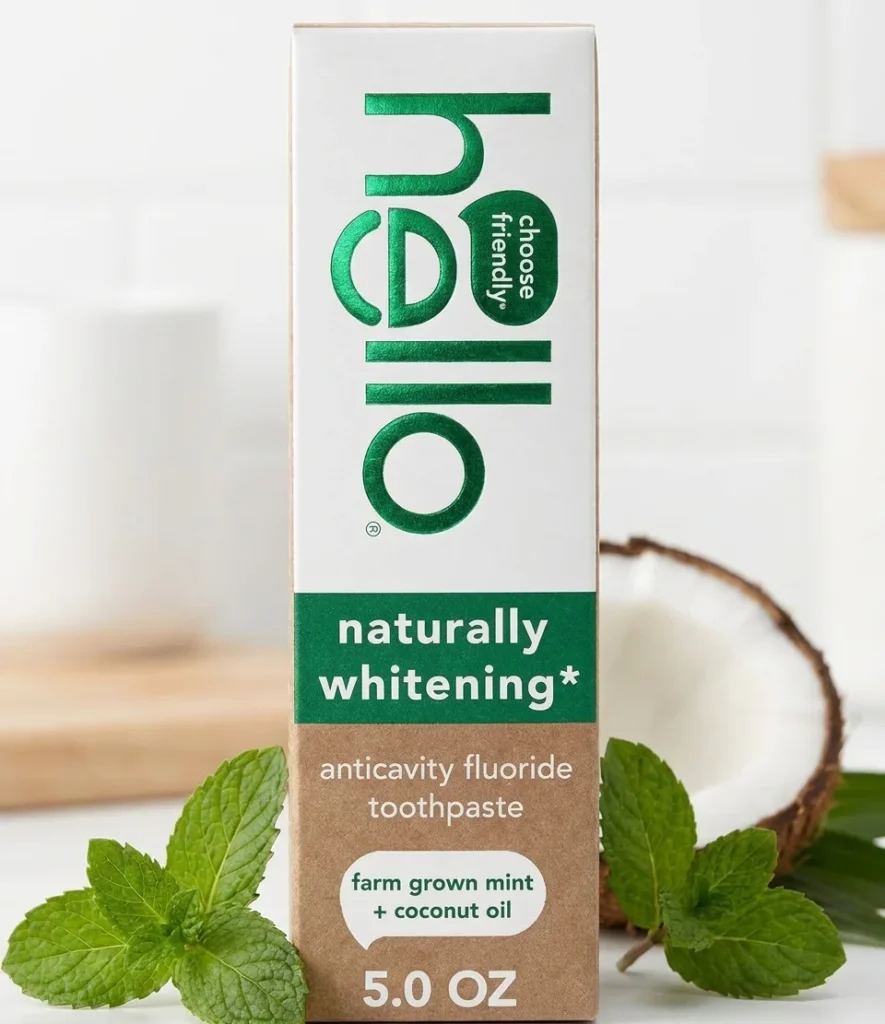
| Hello Oral Care Naturally Whitening Fluoride Toothpaste | Best SLS-Free Budget Option | Yes | Yes |
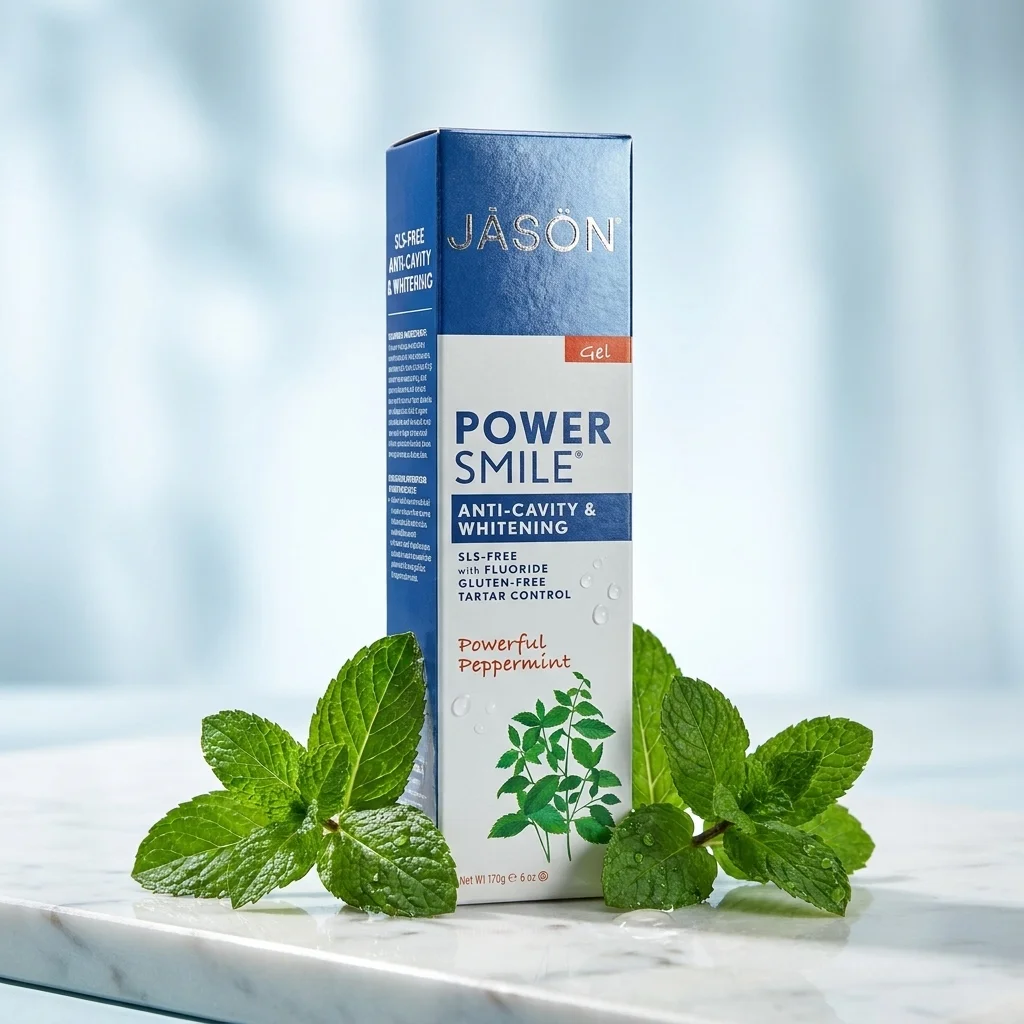
| Jason Powersmile Anti-Cavity & Whitening | Best for Kids* | Yes | Yes |
Check the label for age appropriate fluoride content. Always consult your pediatric dentist – before switching a young child’s toothpaste.
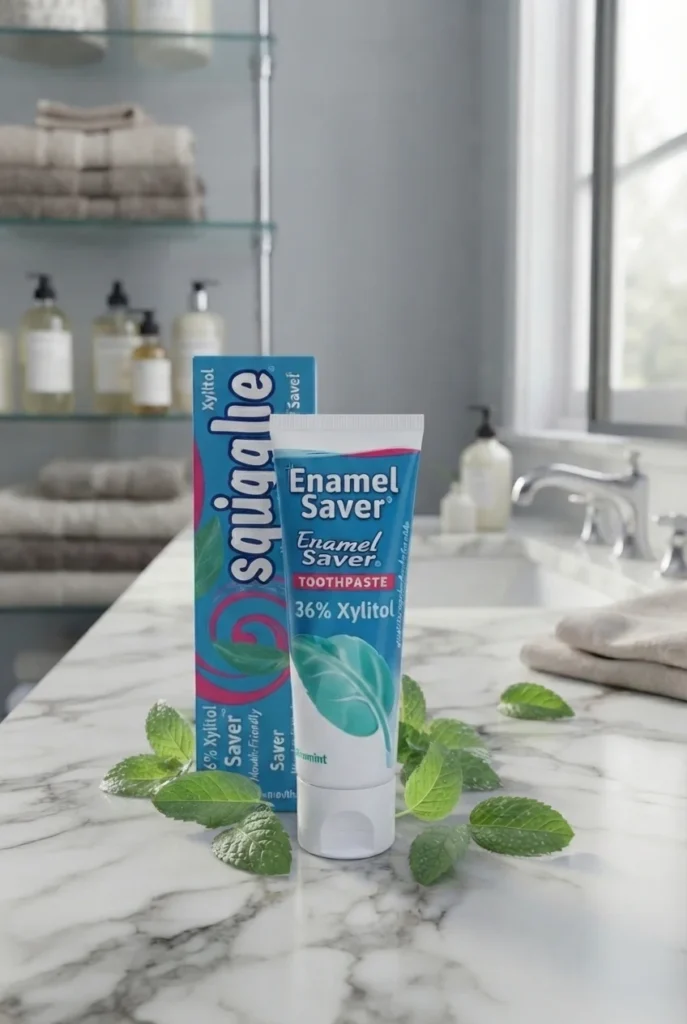
Best Overall: Squigle Enamel Saver Toothpaste
Squigle was formulated specifically with mouth sores in mind and it shows. It skips SLS entirely and uses a high concentration of xylitol — a sugar substitute that helps reduce the plaque forming bacteria linked to irritation — while still including fluoride for cavity protection. It’s non foaming, so brushing feels noticeably gentler if you’re mid flare up.
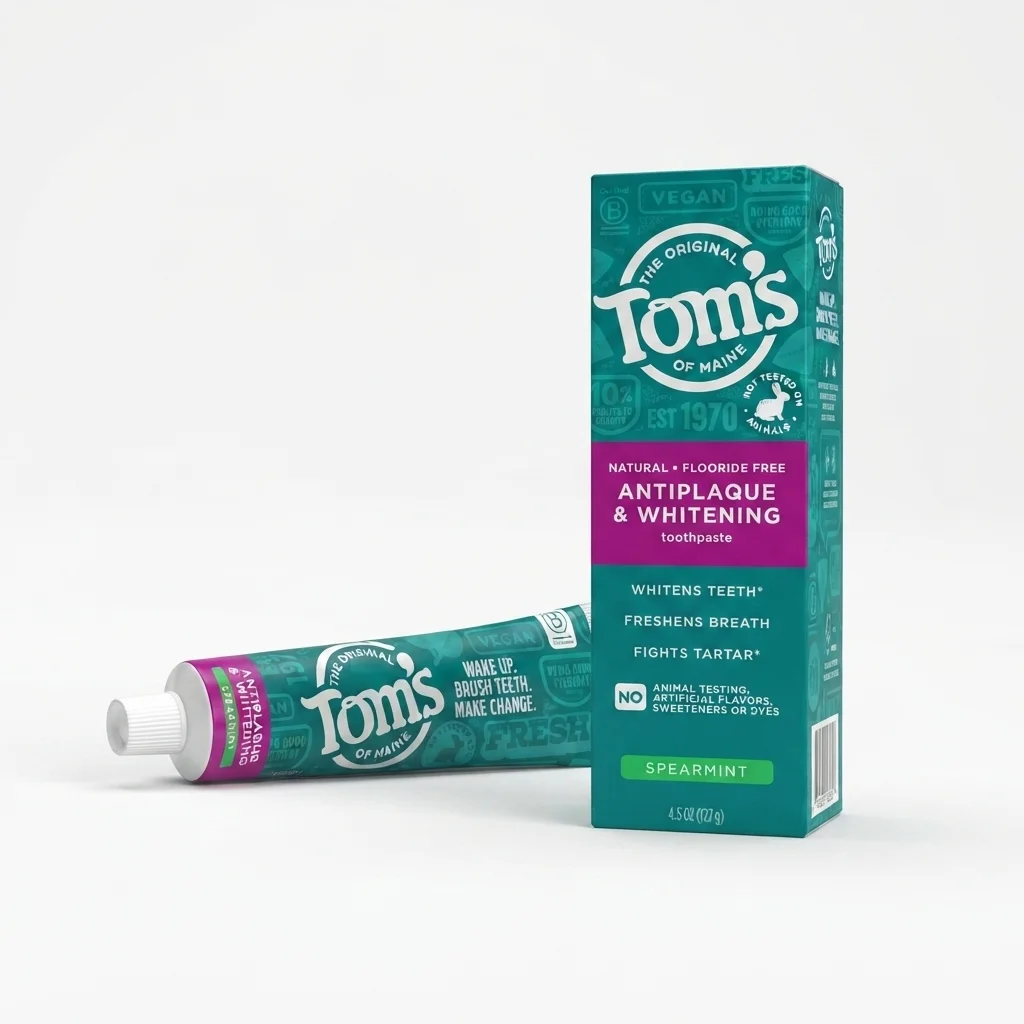
Best Natural/Clean Formula: Tom’s of Maine Anticavity Fluoride Free Toothpaste
If you’re looking for a shorter more recognizable ingredient list – this is a solid pick. It’s SLS free and free of artificial flavors, dyes and preservatives. Note that this particular formula skips fluoride. So it’s better suited to adults – who get fluoride elsewhere (like their drinking water) than to cavity prone brushers.
Best for Sensitive Mouths: Sensodyne Pronamel Gentle Whitening
Sensodyne’s Pronamel line is SLS free – and built for sensitive teeth and enamel. Which makes it a natural fit for anyone dealing with canker sores on top of general tooth sensitivity. It still offers gentle whitening without the harsh abrasives found in stronger whitening formulas.
Best SLS-Free Budget Option: Hello Oral Care Naturally Whitening Fluoride Toothpaste
Hello’s fluoride toothpaste skips SLS and harsh detergents. Moreover, staying budget friendly compared to specialty brands. The mint flavor is on the milder side. So it is helpful if strong mint tends to sting your sores.
Best for Kids: Jason Powersmile Anti Cavity & Whitening Toothpaste
This SLS free option skips artificial flavors. So it tends to make it easier on kids who are prone to canker sores and sensitive to strong tastes. As always check the fluoride level against your child’s age and ask your pediatric dentist before switching.
Toothpastes to Avoid
While we won’t name every brand to avoid, a good rule of thumb: check the ingredient list on any toothpaste labeled whitening, tartar control or extra foaming. It’s more likely that these formulas will have –
- Sodium lauryl sulfate SLS – as a primary detergent.
- Strong cinnamon or intense mint flavoring.
- Aggressive whitening abrasives that can scrape already irritated tissue.
If your current toothpaste lists SLS near the top of the ingredients and you get frequent canker sores. So that’s a reasonable first thing to change.
Other Tips to Prevent and Soothe Canker Sores
Toothpaste is one piece of the puzzle. But some other habits really help.
- Switch to a soft bristle toothbrush – Firm bristles can nick soft tissue and either cause or worsen a sore.
- Avoid acidic and spicy foods during a flare up – Citrus, tomatoes and hot sauce will find every open sore in your mouth.
- Try an OTC gel or rinse – Products containing benzocaine like Orajel. It can numb the area temporarily.
- Watch your nutrient intake – Low B12, folate or iron have all been linked to recurrent canker sores.
- If a sore stays open for more than two weeks – you should see a dentist or doctor. This is a very big one or if you’re getting several at once. This can sometimes be a sign of a bigger problem. So that’s worth ruling out.
FAQs About Best Toothpaste for Canker Sores
This information is to be useful. But it shouldn’t be used instead of professional medical or dentist advice. If your sores are painful come on often or last longer than two weeks. That’s why you should go to the dentist or doctor.
Causes & Triggers of Canker Sores
Can toothpaste cause canker sores?
Toothpaste itself doesn’t directly cause canker sores. But the sodium lauryl sulfate SLS in many formulas can irritate the mouth’s soft tissue. And it triggers flare ups in people – who are sensitive to it.
What ingredient in toothpaste causes canker sores?
Sodium lauryl sulfate SLS is the main ingredient – linked to canker sore irritation. It’s a foaming detergent that can strip the protective mucus layer – inside your mouth.
What vitamin deficiency causes canker sores?
Low levels of vitamin B12, folate, iron and zinc – have been associated with recurrent canker sores. B12 deficiency in particular is one of the most commonly overlooked causes in people who get sores often.
Can smoking cause canker sores?
Smoking is more strongly linked to other oral tissue changes. But quitting or cutting back can reduce general mouth irritation. And some smokers report fewer sores after quitting.
Does sugar cause canker sores?
Sugar itself isn’t a direct trigger. But sugary, acidic foods and drinks – can irritate existing sores and slow healing.
Does coffee cause canker sores?
Coffee isn’t a proven direct cause. But its acidity and heat can irritate an existing sore and make it more painful to drink.
Does alcohol cause canker sores?
Alcohol especially in mouthwash – can dry out and irritate oral tissue. Which may worsen an existing sore or make you more prone to irritation based flare ups.
Can acid reflux cause canker sores?
Yes. Stomach acid reaching the mouth or throat – can irritate soft tissue. And it has been associated with an increase in canker sore frequency – in some people.
Can spicy food cause canker sores?
Spicy food doesn’t typically cause a new sore to form. But it can significantly irritate an existing one.
Can citrus cause canker sores?
Citrus fruits are highly acidic and are one of the most commonly reported irritants for existing canker sores. Though they’re not a proven direct cause.
Can pineapple cause canker sores?
Pineapple’s acidity and natural enzymes – can irritate the mouth and aggravate an existing sore. Moreover it is similar to other acidic fruits.
Can chocolate cause canker sores?
For some people Chocolate is a commonly reported trigger. Though the science isn’t conclusive. Moreover it may relate to other ingredients in chocolate products – rather than cocoa itself.
Do strawberries cause canker sores?
Like other acidic fruits strawberries – can irritate existing sores in sensitive individuals. However there’s no strong evidence they directly cause new ones.
Can soda cause canker sores?
The acidity and carbonation in soda – can aggravate an existing canker sore. However that making it sting more during and after drinking.
Can birth control cause canker sores?
Hormonal changes including those from birth control, have been reported by some people to trigger canker sore flare ups. Though this varies significantly by individual.
Can not brushing your teeth cause canker sores?
Poor oral hygiene doesn’t directly cause canker sores. However it can increase – overall bacteria and plaque in the mouth. Moreover it may contribute to irritation and slower healing.
Can oral sex cause canker sores?
Minor friction or irritation to oral tissue from any source can occasionally contribute to sore formation. However canker sores themselves – are not sexually transmitted or contagious.
Can Sensodyne cause canker sores?
Standard Sensodyne formulas contain SLS. And it could irritate sensitive mouths. But their Pronamel line is SLS free. So it is generally considered gentler – for people prone to canker sores.
Symptoms & Related Conditions
What’s the difference between cold sores and canker sores?
No. Cold sores are caused by the herpes simplex virus. Moreover they are contagious and usually appear on or around the lips. Canker sores are not caused by a virus. So they are not contagious – and form inside the mouth.
Can canker sores cause jaw pain?
A canker sore located near the back of the mouth – or gumline can cause referred discomfort. So that feels like jaw pain. Especially when you chew or make your mouth big.
Can a canker sore cause tooth pain?
Yes if the sore is close to a tooth or gumline. The surrounding inflammation – can cause sensitivity or aching. So that feels like tooth pain.
Can canker sores cause bad breath?
A large or infected canker sore can occasionally contribute to bad breath. Though this is not common with typical uncomplicated sores.
Do canker sores bleed?
Canker sores don’t typically bleed on their own. But they can bleed slightly – if irritated by brushing, hard food or accidental biting.
Can you get canker sores on your tonsils?
Yes. Though it’s less common than sores on the cheeks, lips or tongue. Sores near the tonsils – can be more painful due to the sensitivity of that area.
How long does a canker sore on the tongue last?
Tongue sores typically follow the same healing timeline – as other canker sores about 7 to 14 days. Moreover they can feel more pain – due to constant contact with food and speech.
How long do canker sores last in your mouth?
Most canker sores heal on their own within – one to two weeks. If it hurts for longer than that. So it’s worth having a dentist – or doctor take a look.
Treatment & Home Remedies
Should you pop a canker sore?
No. Canker sores aren’t like pimples. So there’s nothing to pop. Doing so can introduce bacteria – increase pain and delay healing.
Does putting salt on canker sores help?
A saltwater rinse not direct salt application – can help keep the area clean and may slightly speed healing, though it will sting. Direct salt on the sore is generally – too harsh and painful to recommend.
I have a canker sore. Can I put Orajel on it?
Yes. Orajel and similar benzocaine based gels are commonly used – to numb canker sore pain temporarily. And are considered safe for occasional use – as directed on the label.
Does alum help with canker sores?
Alum is sometimes used as a home remedy. However it has an astringent effect that some people find helpful for temporary relief. Moreover there’s limited clinical evidence supporting its effectiveness compared – to standard OTC treatments.
Does ice help canker sores?
Yes. Applying ice or sucking on an ice chip – can numb the area and reduce swelling. And it offers short term relief.
Does Anbesol heal canker sores?
Anbesol doesn’t heal the sore faster. But it does contain numbing ingredients. So that can reduce pain – while the sore heals on its own.
How does milk of magnesia help canker sores?
Some people dab milk of magnesia – directly on a canker sore. Because its mild alkalinity can help neutralize irritation. And it create a temporary protective coating. Moreover it’s a home remedy rather than a clinically proven treatment.
The Bottom Line
If canker sores are a recurring problem. Switching to an SLS free toothpaste is one of the easiest – lowest risk changes you can make. Use a soft bristled toothbrush with it. Watch your intake of B12, folate and iron. And steer clear of acidic or spicy foods – while a sore is active. And if your sores keep coming back, last longer than two weeks or seem unusually severe. It’s worth a visit to your dentist or doctor to rule out anything else going on.
This article is for informational purposes only. And it is not a substitute for professional medical or dental advice.