Body Piercing Microdermal have become one of the most eye catching body modification trends in recent years. Unlike traditional piercings that pass through two sides of the skin – a body piercing microdermal sits flat on the surface with a small anchor placed beneath the skin. The result is a clean, floating jewelry look that instantly stands out.
From elegant chest dermal to sparkling cheek or microdermal hip piercing offer a stylish way to express your personality. But before booking an appointment – it is important to understand the healing process, jewelry materials, pain levels and aftercare essentials.
This complete guide covers everything you need to know – Such as the best jewelry choices, healing tips, common problems and recommended aftercare products that can make recovery smoother and safer.
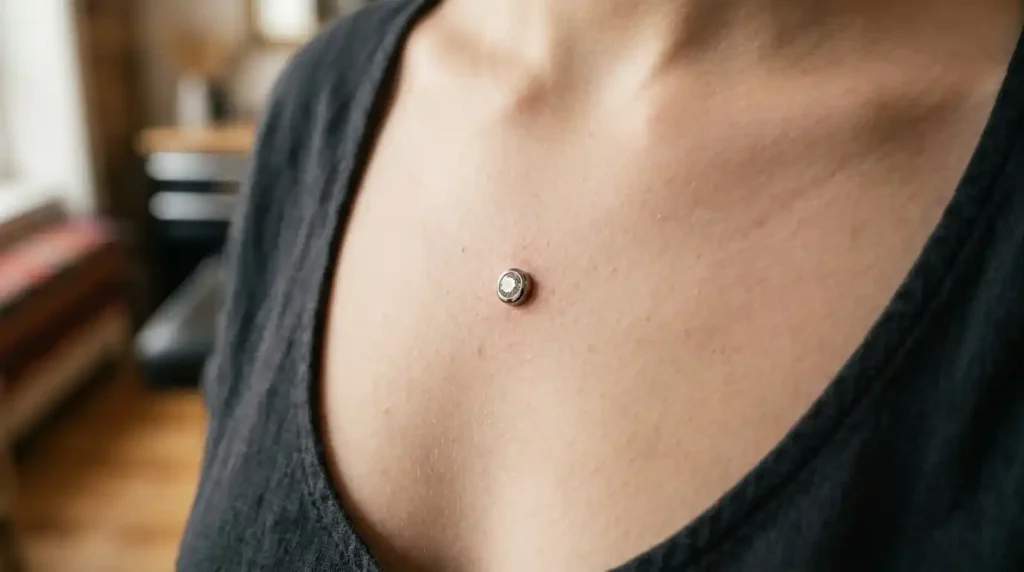
 Modern titanium microdermal piercing with elegant floating jewelry design.
If you are interested in cartilage piercings, check out our detailed guide on Helix Piercing Complete Guide to Pain, Healing, Jewelry & Aftercare to learn about healing time, pain levels and the best jewelry options.
What Is a Body Piercing Microdermal?
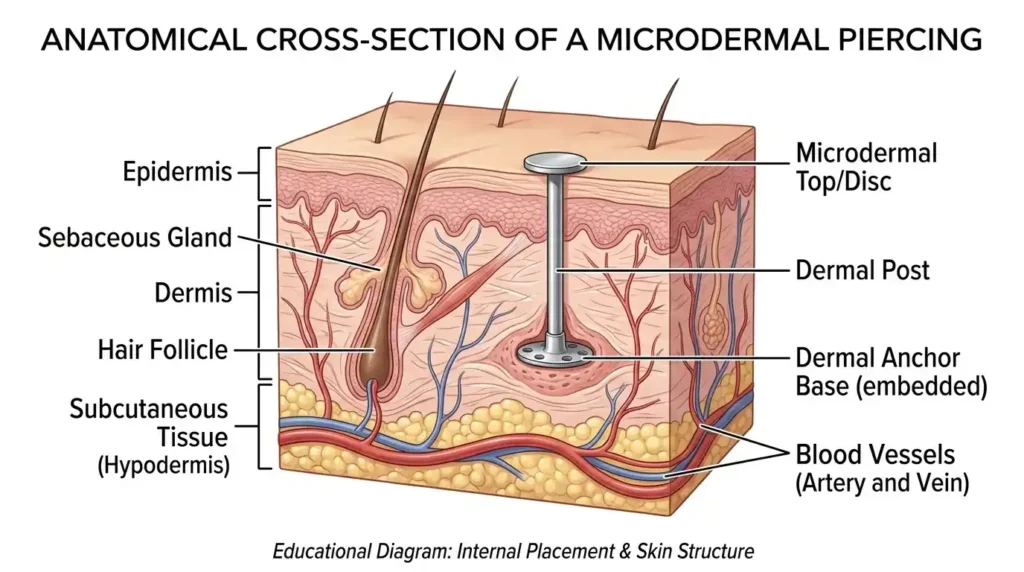
A body piercing microdermal is a single point piercing where a small anchor is inserted beneath the skin. Decorative jewelry screws into the top of the anchor – creating the illusion that the jewelry is floating directly on the skin.
Unlike regular piercings that have an entry and exit point. microdermals only have one visible opening. This unique design allows them to be placed almost anywhere on the body.
People love microdermal piercings – because they look modern, minimal and highly customizable.
Want a modern navel piercing style? Read our Floating Belly Button Piercing: Complete Guide to explore jewelry styles, healing tips and aftercare recommendations.
How is a Microdermal Piercing Done
The piercer creates a tiny pocket beneath the skin using either a needle or a dermal punch. A small anchor is then inserted into the pocket and the jewelry top is attached above the skin.
Once healed the skin grows around the anchor to hold it securely in place.
Dermal Anchor vs Surface Piercing
Many people confuse dermal piercings with surface piercings but they are different.
- Microdermal piercing Single point anchor under the skin
- Surface piercing Barbell enters and exits the skin
Surface piercings tend to reject more easily – while properly placed dermal anchors often last longer.
Curious about nipple piercings? Our Piercing for Inverted Nipple: Complete Guide, Types, Cost & Healing explains the procedure, pain level, healing process and jewelry choices in detail.
Are Microdermal Piercings Permanent?
Not exactly. Some dermal piercings may naturally disappear over time – While others can remain for years. Duration can be impacted by position, jewelry condition and proper care.
Most Popular Microdermal Piercing Locations
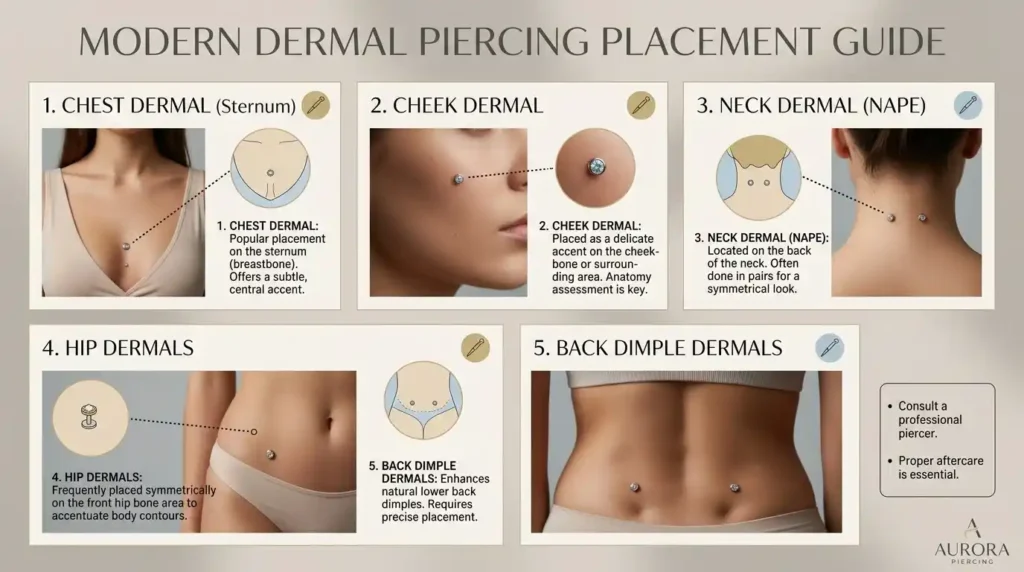
One reason microdermals are so popular is their flexibility. They can be placed in areas where traditional piercings are impossible.
Microdermal Piercing Chest
Particularly when paired with crystal or diamond toppers, microdermal piercing chests produce a delicate yet stylish appearance. This placement is common among people – who want visible but classy body jewelry.
- Microdermal piercings can be placed on the chest, face, neck, hips and back.
Face and Cheek Microdermal Piercing
Face Microdermal Piercing can create a bold fashion statement. Small gemstone tops near the cheekbone are especially trendy.
However, face microdermal piercing requires extra care because the skin moves constantly.
If you enjoy unique facial piercings, don’t miss our Piercing Inside Lip: Complete Guide covering pain, healing stages, jewelry types and aftercare tips.
Neck Microdermal Piercing
Neck Microdermal Piercing are stylish but prone to irritation from clothing and movement. Flat jewelry tops are usually more comfortable for this area.
Back Dimple Dermals
Back dimple piercings are among the most visually striking dermal placements. Matching gemstone tops can enhance the natural shape of the lower back.
Microdermal Hip Piercing
Microdermal Hip Piercing is often paired together for symmetry. Because waistbands can touch over jewelry, wearing low profile shirts minimizes irritation.
Microdermal Finger Piercing
Microdermal Finger Piercing looks unique but is difficult to maintain because hands are constantly moving and exposed to friction.
Looking for the perfect nose piercing style? Explore our Nose Piercing For Nose Types: Find Size, Names, Gauge and Price guide to discover different nose piercing options, sizes and jewelry recommendations.
Types of Microdermal Piercings Jewelry
Choosing high quality body modification jewelry is one of the most important decisions you can make. Low cost metals frequently cause allergic reactions, rejection or discomfort.
Titanium Microdermal Tops
Titanium is considered the gold standard for body jewelry. It is lightweight, durable and hypoallergenic – that making it ideal for sensitive skin.
If you are buying your first dermal jewelry piece, implant grade titanium is usually the safest option.
How is a Microdermal Piercing Done
The piercer creates a tiny pocket beneath the skin using either a needle or a dermal punch. A small anchor is then inserted into the pocket and the jewelry top is attached above the skin.
Most appointments are completed within 10–20 minutes – depending on placement and jewelry choice.
Does a Microdermal Piercing Hurt?
The location and your degree of pain both impact how much pain you feel. The majority of people characterize the feeling as a brief pinch followed by pressure.
Areas with thinner skin or more movement usually feel more sensitive.
Pain Chart by Body Area
- Low pain: Chest, hip
- Moderate pain: Neck, cheek
- Higher pain: Finger, collarbone
Body Piercing Microdermal Healing Time
Although certain placements could take longer – healing can take 1 to 3 months.
It takes time for your body – To establish the anchor under your skin.
How Long Do Microdermal Piercings Take to Heal?
Average healing times:
- Face: 1–2 months
- Chest: 2–3 months
- Hip and back: 3 months or longer
Healing Stages Explained
Initial Stage
During the initial days, redness, swelling and soreness are typical.
Stabilization Stage
The skin begins attaching around the anchor.
Final Healing Stage
The piercing becomes more comfortable with reduced sensitivity.
Signs of Proper Healing
- Reduced redness
- Minimal swelling
- No discharge
- Comfortable movement
Signs of Infection or Rejection
Watch for:
- Persistent redness
- Warm skin
- Thick yellow discharge
- Jewelry pushing outward
- Severe pain
See a qualified piercer or medical expert if your symptoms get worse.
Best Microdermal Piercing Aftercare Products
Effective aftercare treatments for microdermal piercings can significantly decrease irritation and improve healing. One of the main factors of whether your dermal piercing heals properly or develops problems is proper cleaning.
Saline Sprays for Piercings
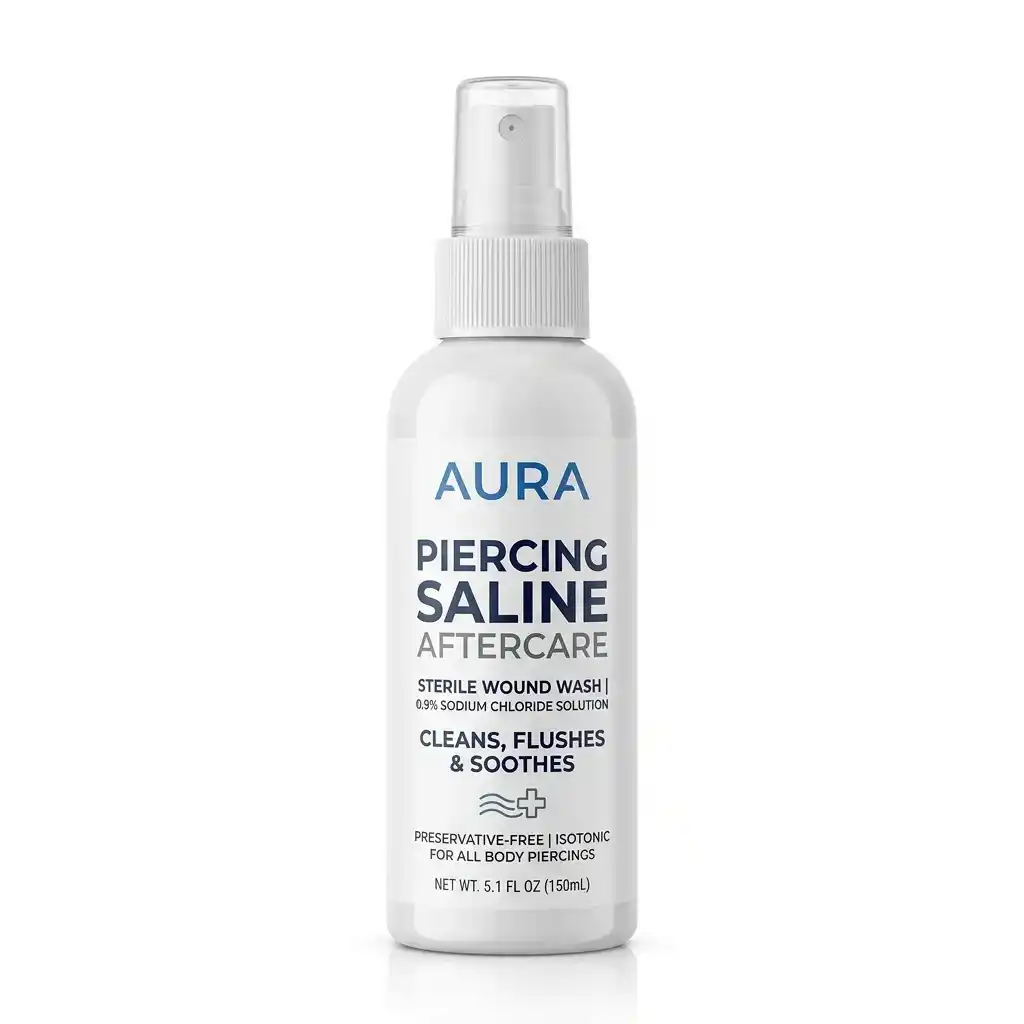
Sterile saline spray is the safest daily cleaner for fresh dermal piercings. It gently removes off impurities without causing skin damage.
Look for products with only water and sodium chloride.
NeilMed Piercing Aftercare Saline Spray
Sterile Saline Wound Wash
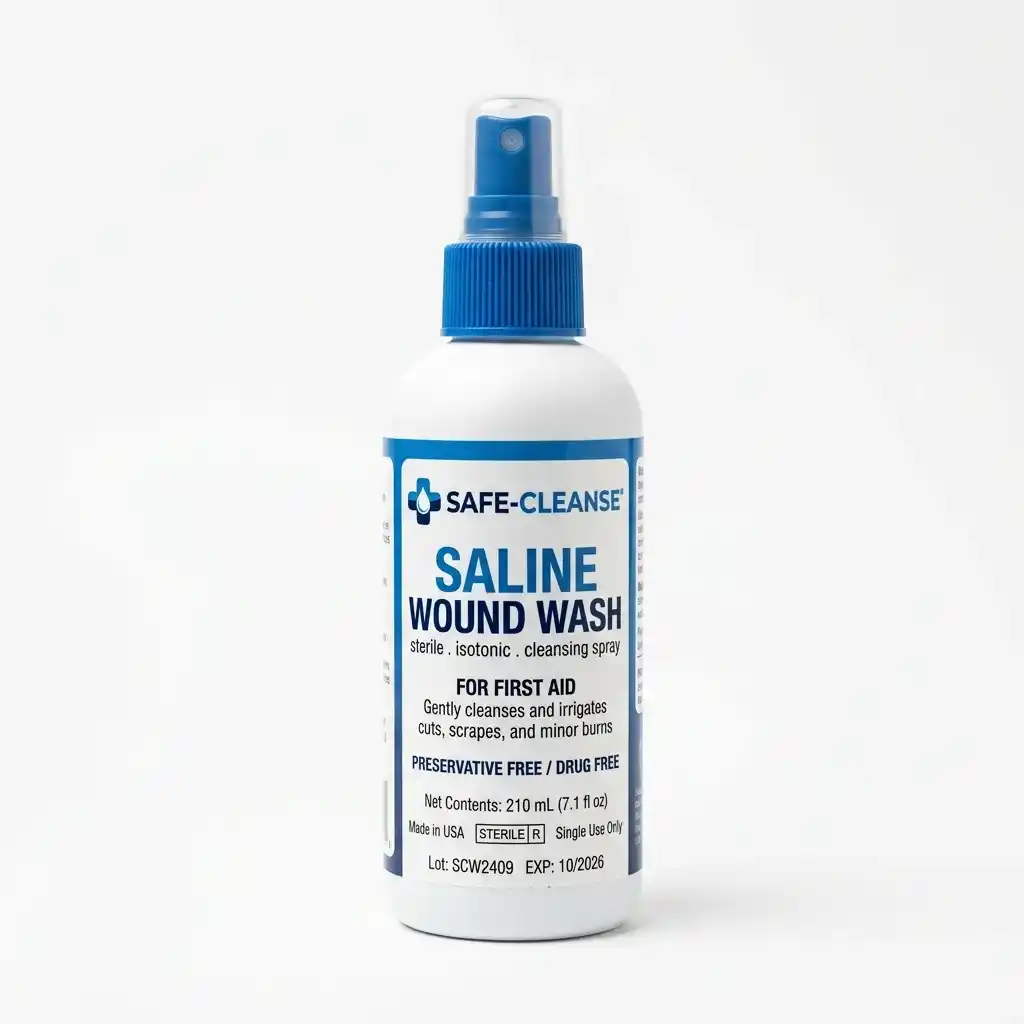
Pro Tip: Fine mist saline sprays are usually easier to use on sensitive dermal piercings because they clean the area without strong pressure.
Antibacterial Cleansers
Mild cleansers help reduce bacteria buildup around the piercing. Avoid harsh alcohol based solutions that dry the skin.
Healing Balms and Oils
Some fragrance free healing balms may help soothe irritation around healed dermals.
Avoid applying thick ointments during the early healing stage unless advised by a piercer.
Microdermal Piercing Kit
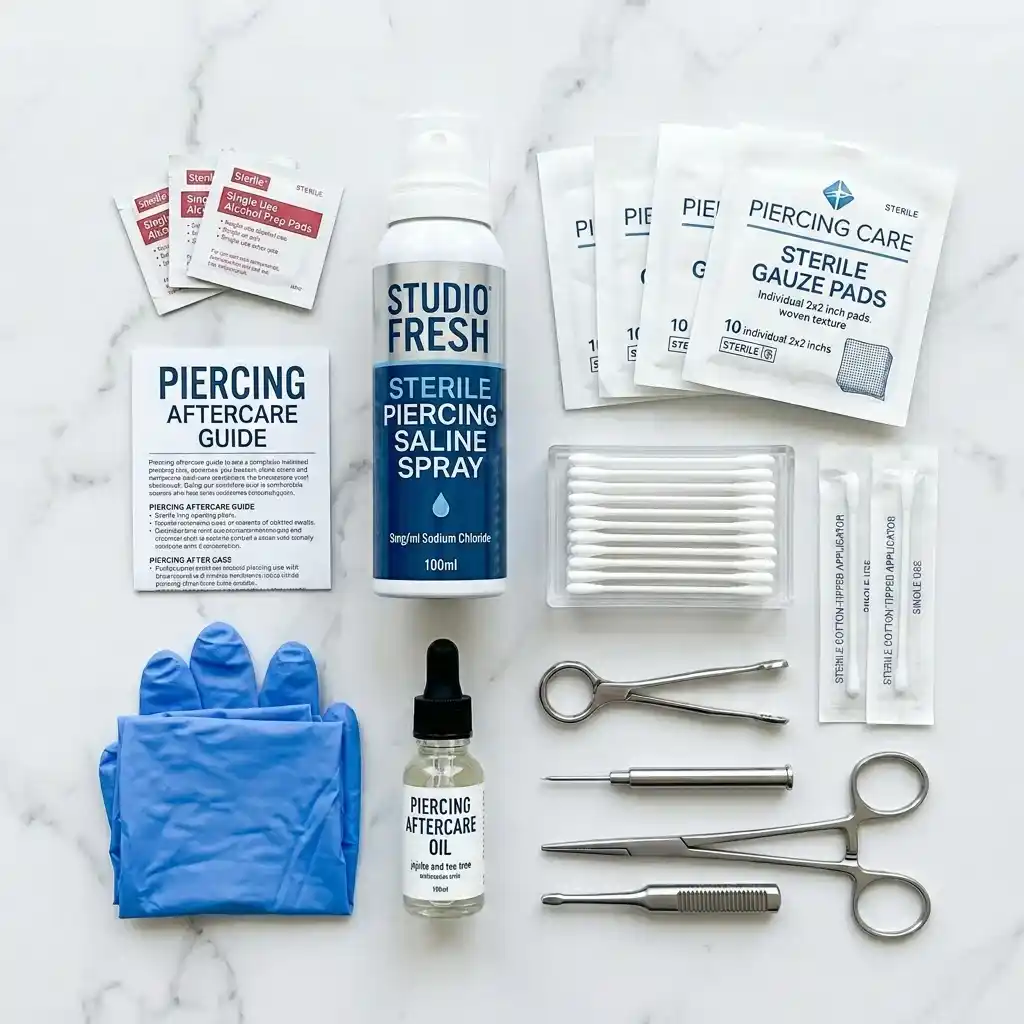
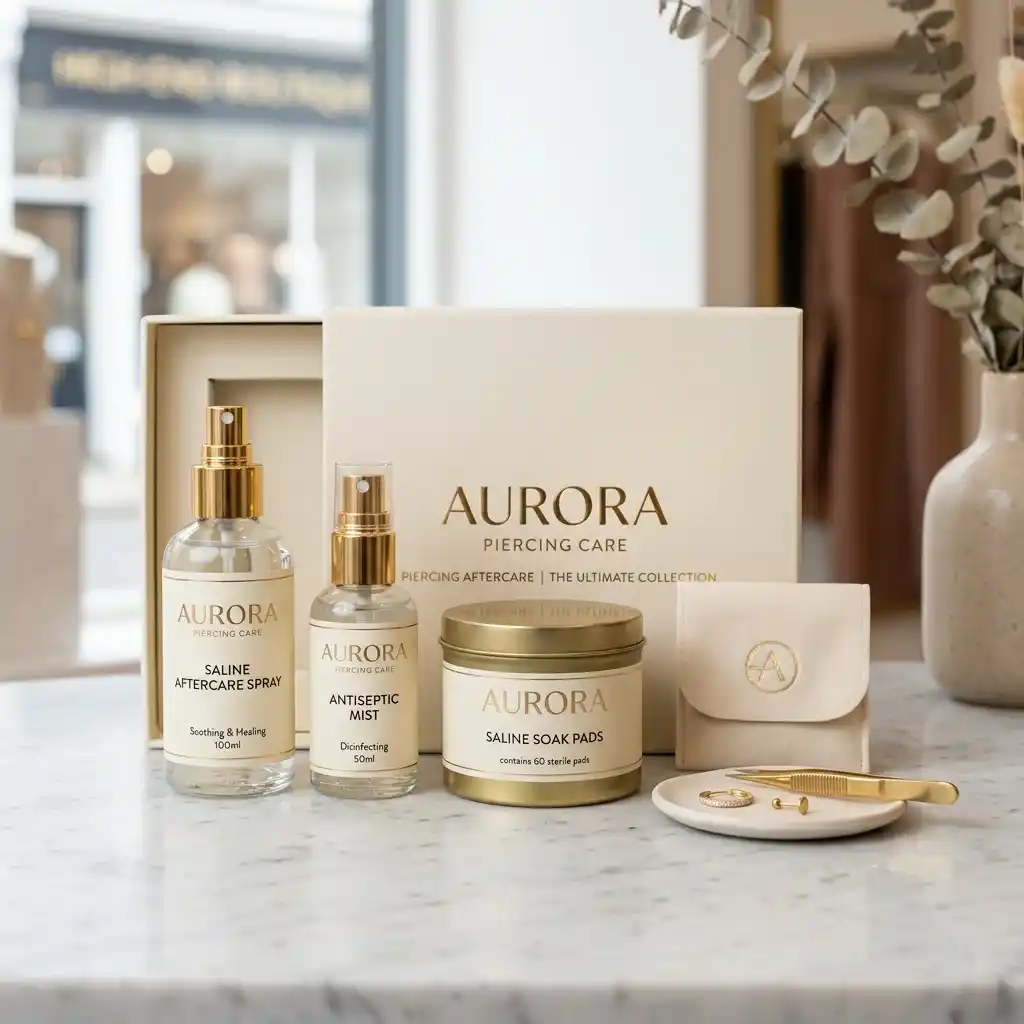
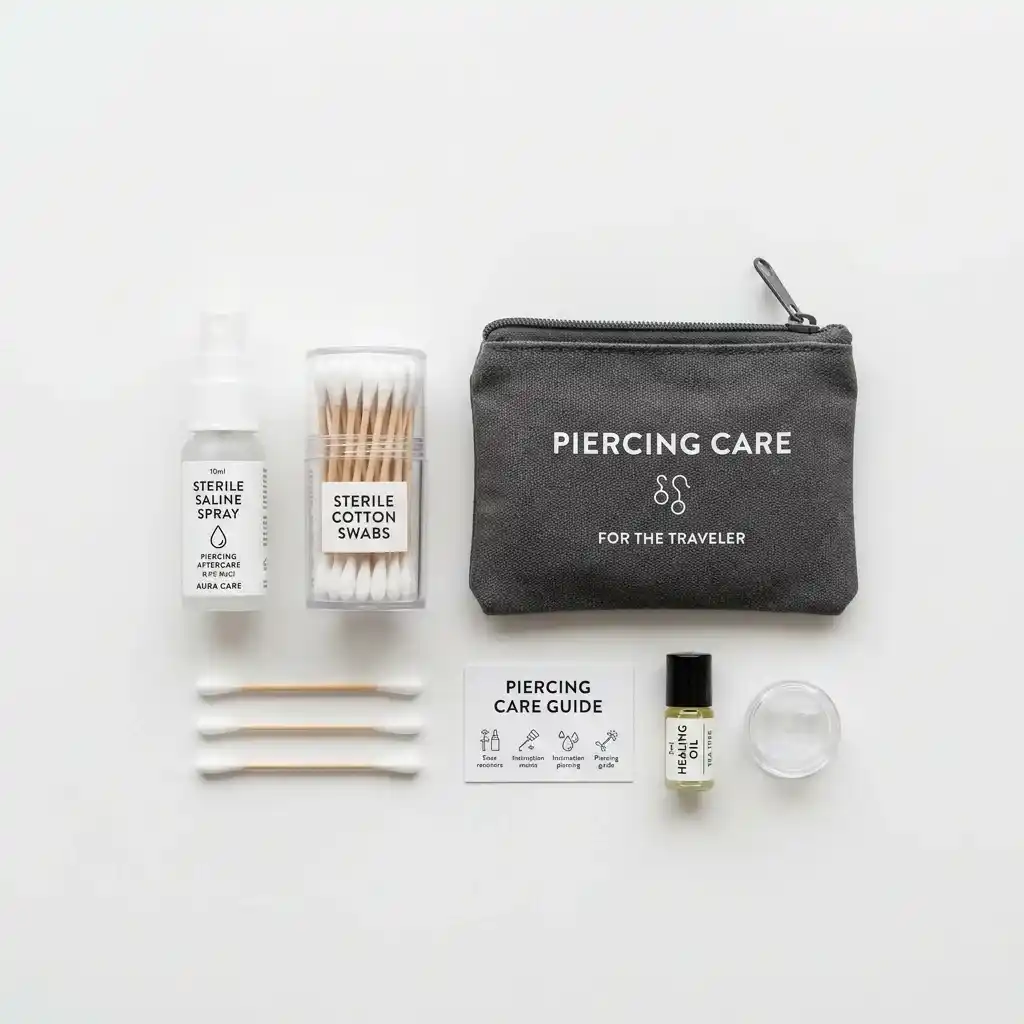
Complete aftercare kits are useful for beginners – because they include saline solution, cotton swabs and cleaning instructions in one package.
Complete Piercing Cleaning Kit
Professional Piercing Aftercare Bundle
Travel-Friendly Piercing Care Kit
How to Clean a Microdermal Piercing Properly
Throughout the healing process – it’s essential to regularly clean your piercing.
Daily Cleaning Routine
- Thoroughly wash your hands.
- Spray sterile saline onto the piercing
- Gently remove debris with clean gauze
- Let the area air dry
Don’t rotate or bend the jewelry.
Editor’s Choice Aftercare Microdermal Piercing Tools Kit
If you are new to dermal piercings – using a complete aftercare kit can make healing easier and more consistent. Most kits include saline spray, sterile swabs and cleaning instructions – which helps beginners avoid common mistakes.
Can You Shower After Getting a Microdermal Piercing?
Yes but avoid direct high pressure water hitting the jewelry.
Can You Swim With a New Dermal Piercing?
It’s best to avoid pools, lakes and hot tubs during healing – because bacteria can increase infection risk.
How Often Should You Clean It?
Twice daily is usually enough. Over cleaning can irritate the skin.
Common Microdermal Piercing Problems
Even well-done dermal piercings can develop issues – if they are bumped or neglected.
Infection
Bacteria can be introduced by poor hygiene, touching jewelry or swimming too early.
Rejection
Rejection happens when the body pushes the anchor toward the surface.
Shallow placement and poor-quality jewelry increase the risk.
Best Jewelry to Reduce Rejection Risk
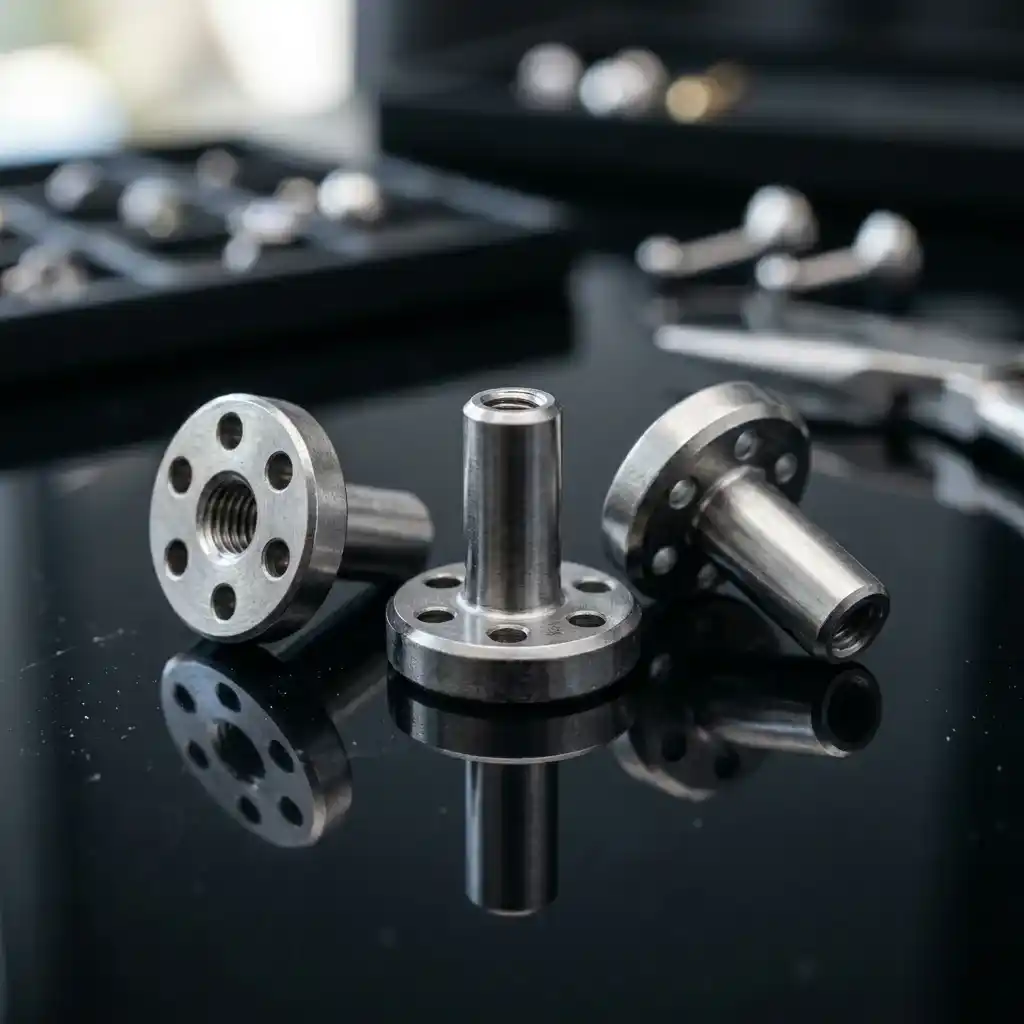
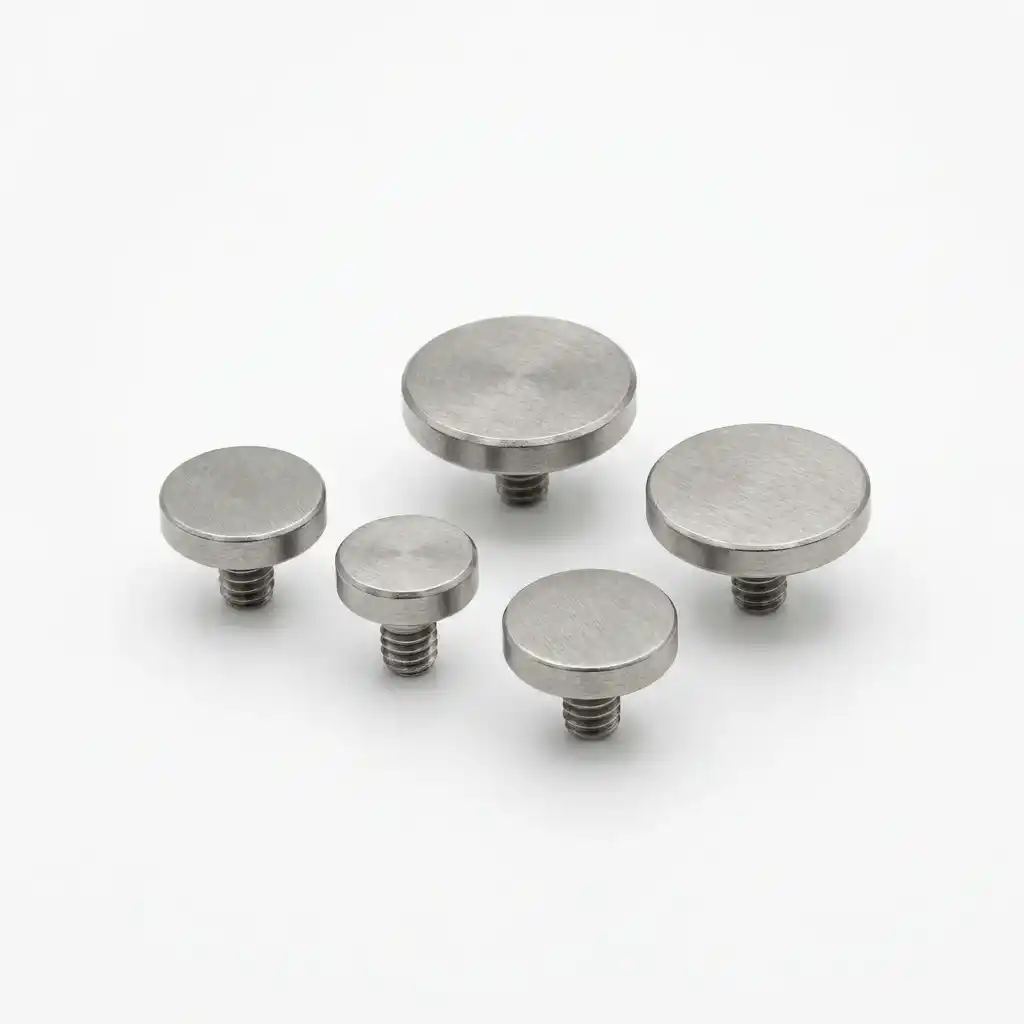
Many professional piercers recommend implant grade titanium jewelry because it is less likely to trigger irritation or allergic reactions.
Internally Threaded Titanium Anchors
Flat Titanium Dermal Tops
Scarring
Improper removing microdermal piercing or repeated irritation may leave a small scar.
Jewelry Falling Out
Loose tops can unscrew over time. Check jewelry carefully but avoid excessive handling.
Pros and Cons of Microdermal Piercings
Advantages
- Unique appearance
- Works on many body areas
- Customizable jewelry styles
- Elegant floating effect
Disadvantages
- Higher rejection risk
- Requires careful aftercare
- Can snag on clothing
- Removal may leave scars
How Much Does a Body Piercing Microdermal Cost?
The location, quality of the jewelry and reputation of the studio all affect the Microdermal Piercing Prices.
Typical costs include:
- Basic dermal piercing: $40–$100
- Premium titanium jewelry: Extra cost
- Aftercare products: Additional expense
Cheap piercings may sound tempting – but experienced piercers and high quality jewelry are worth the investment.
Is Titanium Jewelry Worth the Price?
Yes. Compared to less expensive alternatives – titanium is typically safer, lighter and more durable.
Cheapest vs Premium Dermal Jewelry
Budget jewelry may save money upfront – but can lead to irritation and replacement costs later.
Recommended Products for Safer Dermal Piercings
Before getting a body piercing microdermal make sure you invest in high quality jewelry and proper aftercare products. Cheap metals and harsh cleaning solutions are often responsible for irritation and rejection issues.
Top Products
- Titanium Dermal Tops
- Professional Piercing Aftercare Spray
- Hypoallergenic Dermal Jewelry
- Flat Disc Dermal Tops
- Opal Titanium Dermal Jewelry
- Piercing Cleaning Kits
Quick Buying Tip: Always read product material details carefully before purchasing body jewelry online. Implant grade titanium is generally the safest choice for long term comfort.
How to Remove a Microdermal Piercing Safely
Removing Microdermal Piercing should always be handled by a professional.
To remove an anchor at home may result in scarring and skin injury.
Does Microdermal Piercing Removal Leave a Scar?
A small scar is possible, especially if the piercing rejected or became infected.
When Should You Remove a Dermal Piercing?
Removal may be necessary if you notice
- Severe rejection
- Persistent irritation
- Migration
- Infection
Frequently Asked Questions (FAQs)
How painful is a body piercing microdermal?
Most people rate the pain as mild to moderate. The steps is fast – however there may be some discomfort afterward.
How long do Microdermal Piercings Last?
Some last several months while others remain stable for many years with proper care.
Can microdermal piercings fall out?
Yes. Over time rejection and unintentional snagging can cause the anchor to come loose.
Are dermal piercings safe?
When carried out by a qualified expert using sterile tools – they are usually safe.
Can you change dermal jewelry yourself?
Having a professional change your jewelry is safer – especially when you’re mending.
What is the best jewelry material for dermal piercings?
Titanium of implant grade is generally regarded as the safest choice.
Can you sleep on a microdermal piercing?
Avoid pressure on fresh piercings – because it can irritate the anchor and slow healing.
What should you avoid after getting a dermal piercing?
Avoid swimming, touching the jewelry with dirty hands, tight clothing and harsh cleaning products.
Final Verdict
A body piercing microdermal can be an incredible way to showcase your personal style. Whether you prefer a subtle crystal on the chest or a bold facial dermal – the right jewelry and proper aftercare make a huge difference.
If you plan to get one, focus on three things:
- Choose an experienced professional piercer
- Invest in high quality titanium jewelry
- Follow a consistent aftercare routine
Cheap jewelry or poor cleanliness are examples of cost savings that frequently result in discomfort, rejection and needless issues. However, microdermal piercings can look stunning and last much longer than many people expect.