Fine hair can be beautiful but choosing the wrong weave can quickly lead to flat results, scalp stress or visible tracks. If you have thin or fine hair the key is selecting lightweight low tension weaves that add volume without causing damage. In this guide, we’ll explore the best weave for fine hair, including ideal types, trending colors, textures and maintenance tips to help you achieve a full natural look safely.
Healthy hair starts at the scalp — check our Indulekha Bringha Hair Oil Product Info and Reviews (Benefits & Side Effects) to see how this herbal oil helps maintain scalp balance.
Best Types of Weave for Fine Hair
Not all weaves are suitable for fine hair. Weak strands can be pulled apart by heavy bundles and dense systems. The safest and most effective options are given below.
Synthetic Hair Weave for Fine Hair
For newbies with thin hair a synthetic hair weave is often the best choice because it is light and cheap. When chosen carefully weave synthetic hair options can give volume without putting too much stress on your scalp.
Pros:
- Lightweight feel
- Affordable pricing
- Pre-styled options available
Cons:
- Limited heat styling
- Shorter lifespan compared to human hair
Synthetic weaves work best for short-term styles or special occasions.
Human Hair Weaves for Fine Hair
If you desire a more natural look human hair is preferable to synthetic hair.
A human hair crochet weave is great for people with thin hair – because it spreads out the weight evenly and keeps natural hair from getting tangled. Similar to this a human hair fast weave – when done correctly, provides a sleek appearance without sacrificing softness.
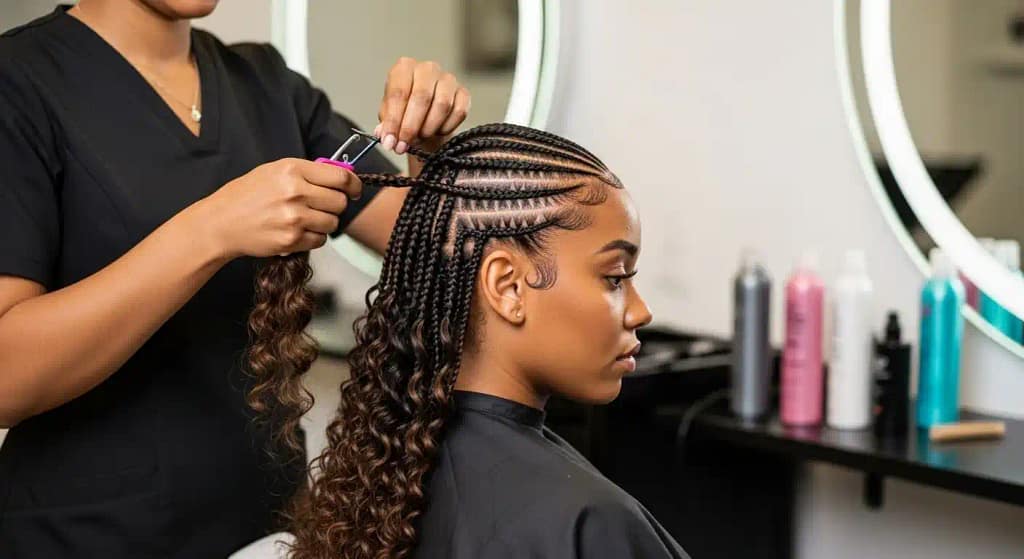 Human hair crochet weaves blend naturally with fine hair.
Why human hair works better:
- Looks and moves naturally
- Can be styled with heat
- Blends seamlessly with fine hair
Micro & Ring-Based Weaves
Micro installations are ideal for fine hair because they avoid tight braiding.
- Micro ring hair weave allows individual attachment without glue or heat
- Micro hair weave techniques reduce stress on edges
These techniques work particularly well for those – who thinning patches or sensitive scalps.
Human Hair vs Synthetic Weave – Which Is Better for Fine Hair?
When comparing synthetic hair weave options with human hair quick weave, the difference is mainly durability and realism.
- Synthetic hair is lighter and cheaper but less flexible
- Human hair lasts longer and offers better styling freedom
For daily wear, human hair weaves are usually the better investment for fine hair.
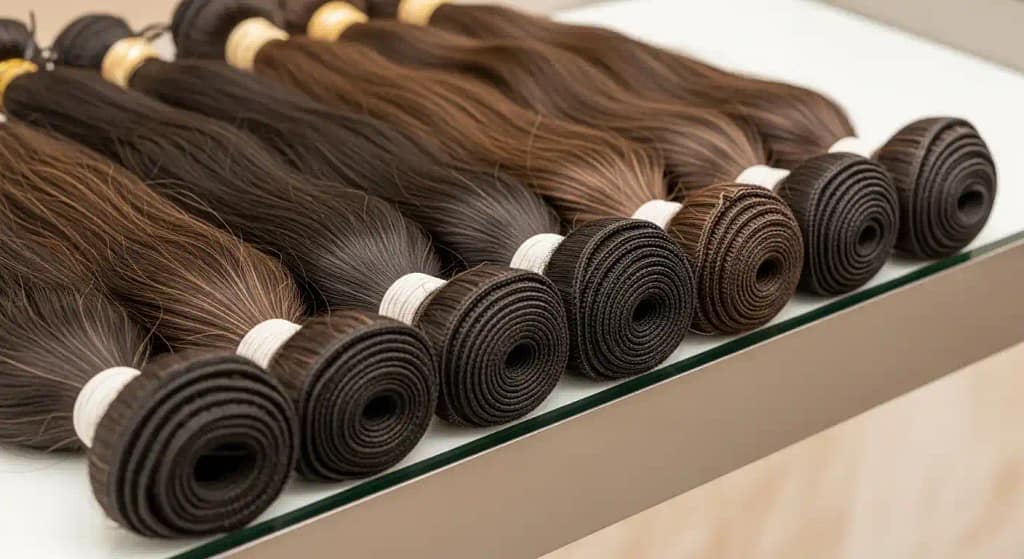 Synthetic hair weaves are a budget-friendly option for fine hair.
Best Weave Hair Colors for Fine Hair
The color of your hair strongly impact how full it looks. Fine hair can appear thicker and more realistic with the correct shade.
Natural & Light Shades for Thin Hair
The safest option is a neutral shade.
- Weave hair colors like brown and soft blonde add depth
- Color weave hair with subtle highlights prevents flatness
- Blonde weave hair works well when density is kept light
613 Blonde Weave – Is It Safe for Fine Hair?
613 blonde is bold but requires care.
- Hair weave color 613
- Hair color 613 weave
- Color 613 hair weave
Because 613 hair is heavily processed, always choose high-quality strands and avoid excessive heat to protect fine hair.
Balayage Weave Hair Extensions
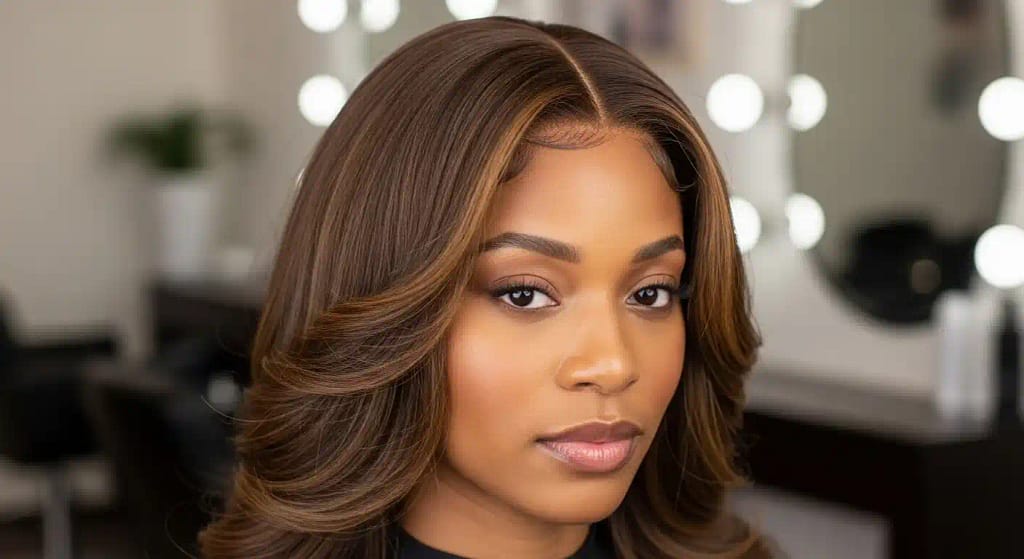
Balayage weave hair extensions are perfect for fine hair because the blended tones add visual thickness without extra weight. This is one of the best color techniques for thin hair.
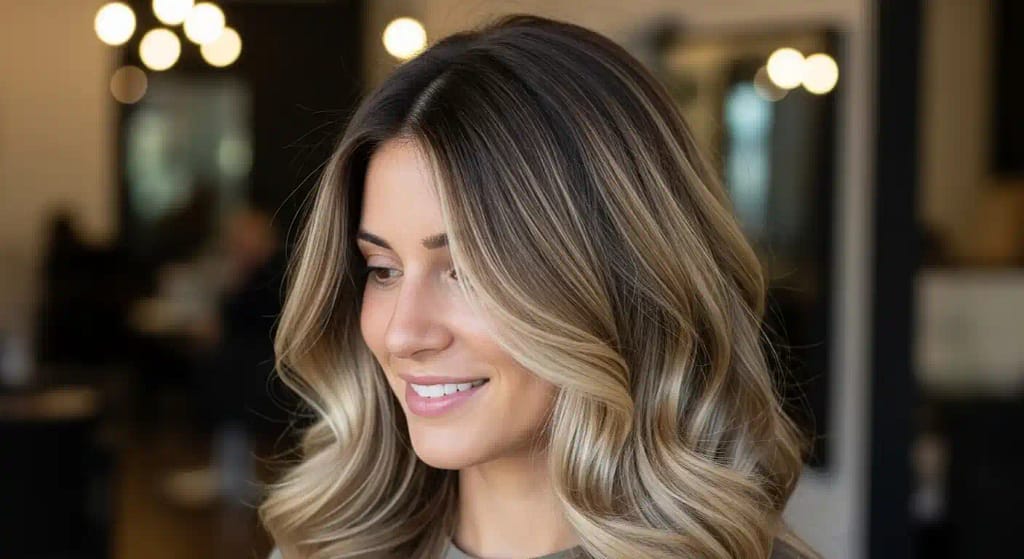 Balayage weaves create the illusion of thicker hair.
Trendy Color Weaves for Fine Hair
Fashion colors can work for fine hair if used smartly.
- Pink hair weave for soft, playful looks
- Pink weave hair styles for festivals or events
- Blue hair extensions weave for bold statements
Stick to lightweight bundles and avoid full-head installations for daily wear.
Curly & Textured Weaves for Fine Hair
Texture can instantly boost volume.
- Curly weave hair adds fullness without heaviness
- Curly blonde hair weave creates depth and movement
- Afro kinky hair weave works best when installed with low density
Loose to medium curls are ideal for fine hair.
Best Weave Styles for Fine & Black Hair
Protective styling is especially important for fine Black hair.
- Hair weave styles for black hair should focus on low tension
- Empire weave hair styles offer elegant volume without stress
Always protect edges and avoid tight closures.
Hair Weave Before and After – What to Expect on Fine Hair
With the right weave, hair weave before and after results can be dramatic. When you install lightweight weaves correctly, fine hair looks fuller, longer and healthier.
Expect:
- Improved volume
- Better length retention
- Reduced daily styling stress
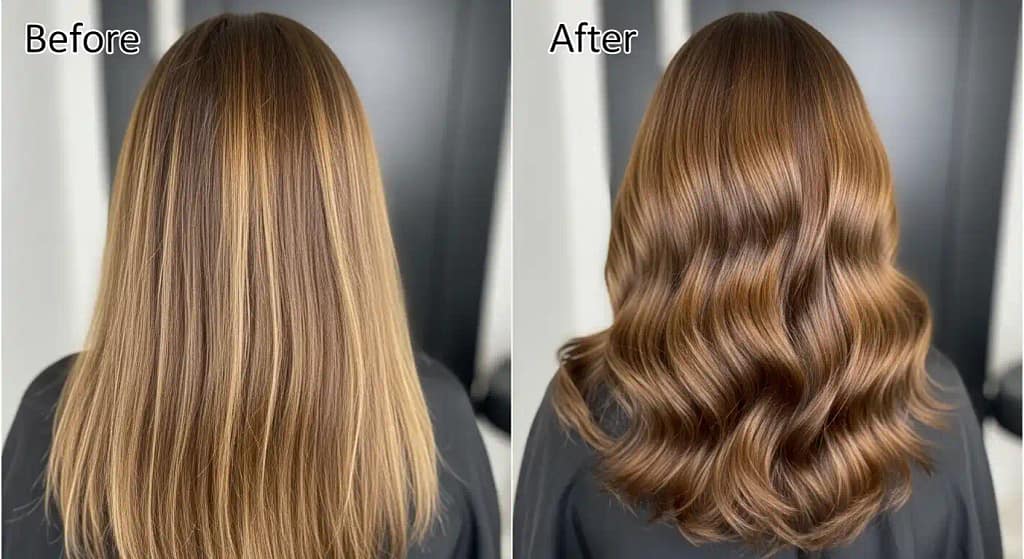 Before and after results show how the right weave transforms fine hair.
How to Choose the Right Weave for Fine Hair
Think about this before purchasing:
- Bundle weight and density
- Installation method (avoid tight braids)
- Your lifestyle and maintenance routine
Fine hair benefits most from breathable, flexible weaves.
Maintenance Tips for Fine Hair Weaves
To keep your weave and natural hair healthy:
- Avoid heavy oils on the scalp
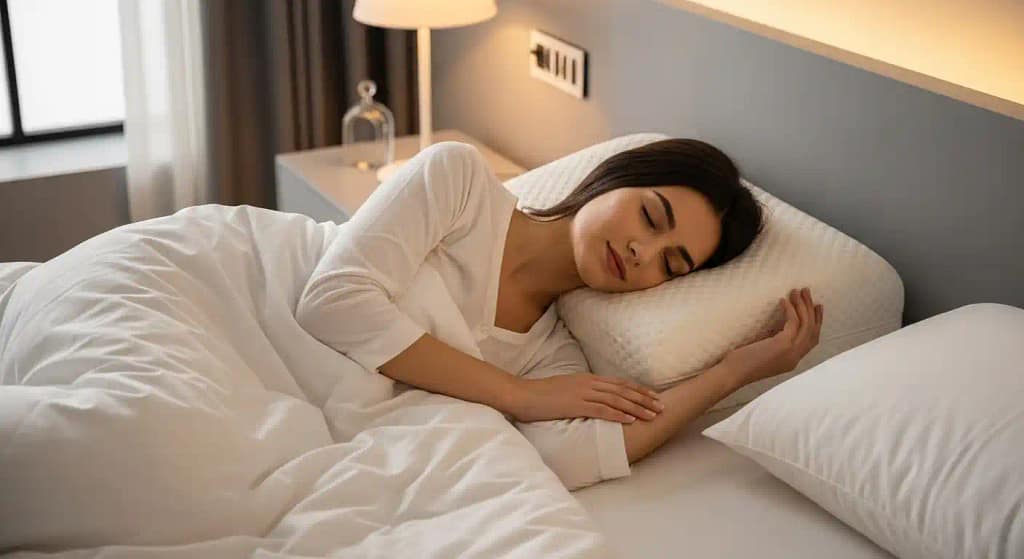
- Use a satin or silk bonnet when you sleep .
- Wash gently and moisturize regularly
Proper care extends the life of both your weave and natural hair.
 Proper care extends the life of fine hair weaves.
FAQs
Is synthetic weave safe for fine hair?
Yes, when lightweight and not worn long-term.
Which weave adds volume without damage?
Curly and crochet human hair weaves work best.
Can fine hair hold curly weaves?
Absolutely, especially loose curls with proper installation.
What Is a Weave in Hair?
A weave in hair refers to the method of attaching hair extensions to natural hair – usually by braiding the natural hair first and then sewing or bonding the extensions onto the braids.
What Are Weave Hair Extensions?
Hairdressers place weave extensions, made from human or synthetic hair, into natural hair. Long lasting hairstyles and protective styling are two major uses for them.
What Is Hair Weave Made Of?
Hair weaves are made from either:
Human hair collected from donors
Synthetic fibers – That is made from plastic based materials
Both varieties vary in appearance, robustness and adaptability in styling.
Is Horse Hair Used in Hair Weaves?
No modern hair weaves are not made from horse hair. This is a common myth. Reputable companies either utilize synthetic fibers that simulate genuine hair or human hair.
Where Does Human Hair Weave Come From?
Usually in salons or temples donors who willingly cut their hair are the source of human hair weaves. Technicians then clean, process, and sort the hair by length and texture.
Hair Weave FAQs
How Is Hair Weave Made?
The process includes:
Collecting or manufacturing hair fibers
Cleaning and sanitizing the hair
Sorting by length and texture
Stitching or bonding hair into wefts
This ensures durability and consistency.
Who Invented Hair Weave?
Modern hair weaves gained popularity in the 1950s – however hair weaving techniques had been used for many years. The modern sew in hair weave technique is typically referred to Christina Jenkins.
What Is Hair Weaving for Women?
Hair weaving for women is a styling method used to:
Add length and volume
Protect natural hair
Try out different colors and designs.
Across different groups and hair types it is common.
What Is a Weave for Black Hair?
Stylists commonly use braids as the foundation for Black hair weaves. These styles preserve the health of the head – while supporting thicker or textured extensions and protecting natural hair.
What Is Fusion Hair Weave?
In the fusion hair weave technique Keratin glue is used for bond hair extensions to natural hair. Even though it looks natural, careful removal and skilled installation are required.
How Long Do Hair Weaves Last?
Hair weaves usually last:
6 to 8 weeks for sew-in weaves
2 to 4 weeks for glued weaves
Hair type, installation technique and upkeep all affect longevity.
How Much Does a Hair Weave Cost?
The cost of a hair weave depends on.
Hair type (human or synthetic)
Installation method
Hair length and quality
Average cost ranges from $100 to $500 – while premium human hair weaves can cost more.
Care Type Faqs
Do Weaves Damage Your Hair?
Weaves do not damage hair when installed and maintained properly. Damage usually occurs due to:
Excessive tension
Poor installation
Leaving weaves in too long
Can Sew-In Weave Damage Hair?
A sew in weave can damage hair if:
Braids are too tight
The weave is too heavy
Hair is not moisturized regularly
A professional install greatly reduces risk.
How to Care for Synthetic Hair Weave
To care for a synthetic hair weave:
Avoid heat unless heat-safe
Use sulfate-free products
Detangle gently
Store properly when not in use
This keeps the hair looking fresh and prevents tangling.
Conclusion
Balance is key when selecting the ideal weave for fine hair, which includes light strands, delicate application and astute color selections. The correct weave may change fine hair without harming it – whether you like a trendy balayage style or a genuine human hair crochet weave. Focus on comfort, quality and proper care for long lasting, beautiful results.