A few years ago non toxic nail polish felt like a niche category for people – who read every ingredient label at the grocery store. Now it’s mainstream and honestly it should be. Nail polish sits on your skin, off gasses while it dries and gets filed down into dust that you breathe in. If you’re painting your nails every week or two – it’s worth knowing what’s actually in the bottle.
We spent weeks digging through ingredient lists, comparing free of claims across brands and testing formulas on our own nails (and a few very patient friends’) to figure out which non toxic polishes actually perform like the traditional stuff. Below is what we landed on plus everything you need to know before you buy.
Affiliate disclosure:
Some of the links below are affiliate links. If you buy something through them, we may earn a small commission at no extra cost to you. We only recommend products we’d actually put on our own nails.
What Actually Makes a Nail Polish “Non-Toxic”?
Here’s the annoying truth – there’s no legal definition of non toxic when it comes to nail polish. Brands can slap that word on a label without much oversight. So instead of trusting the marketing – look at what’s actually left out of the formula.
The Toxic Trio and Why They Got Phased Out
Conventional nail paint used three components for years, but those compounds are no longer in use.
- Formaldehyde a hardening agent and recognized irritant identified as a carcinogen at high exposure levels.
- Toluene helps polish apply smoothly – however it’s a solvent associated with headaches and reproductive issues with high exposure.
- Dibutyl phthalate (DBP) included for flexibility – however it is an endocrine disruptor that is prohibited in a number of nations.
Most decent brands ditched all three years ago. That’s your baseline not your finish line.
5-Free, 7-Free, 10-Free, 21-Free: What the Numbers Mean
You’ll see these labels everywhere and they can be genuinely confusing.
- 5-free removes the toxic trio plus formaldehyde resin and camphor
- 7-free adds ethyl tosylamide and xylene to the list
- 10-free goes further, cutting parabens, fragrance, gluten and other common irritants
- 21-free (a term a few brands use) is more of a marketing flex than an industry standard — always check the actual ingredient list rather than trusting the number alone
The higher the number isn’t automatically better — it’s just a shorthand for how many known irritants a brand has chosen to exclude. Read the fine print.
Non Toxic Isn’t Automatically Vegan or Cruelty Free
This trips people up constantly. A polish can be free of harsh chemicals and still contain animal derived ingredients like guanine (fish scale extract used for shimmer) or shellac. If cruelty free matters to you as much as toxin free – look for both labels separately don’t assume one implies the other.
How We Chose These Products
We didn’t just Google “clean nail polish” and call it a day. Our criteria:
- Ingredient transparency – brands that actually publish full ingredient lists, not vague “clean formula” claims
- Third-party recognition – certifications or mentions from groups like EWG or Leaping Bunny
- Real-world wear – how the polish performed over 3–5 days of normal use (dishes, gym, typing, the works)
- Shade range and pigmentation – because nobody wants to sacrifice color payoff for peace of mind
- Price relative to performance – not everything expensive is worth it and not everything cheap is a compromise
The Best Non-Toxic Nail Polishes We’ve Tried
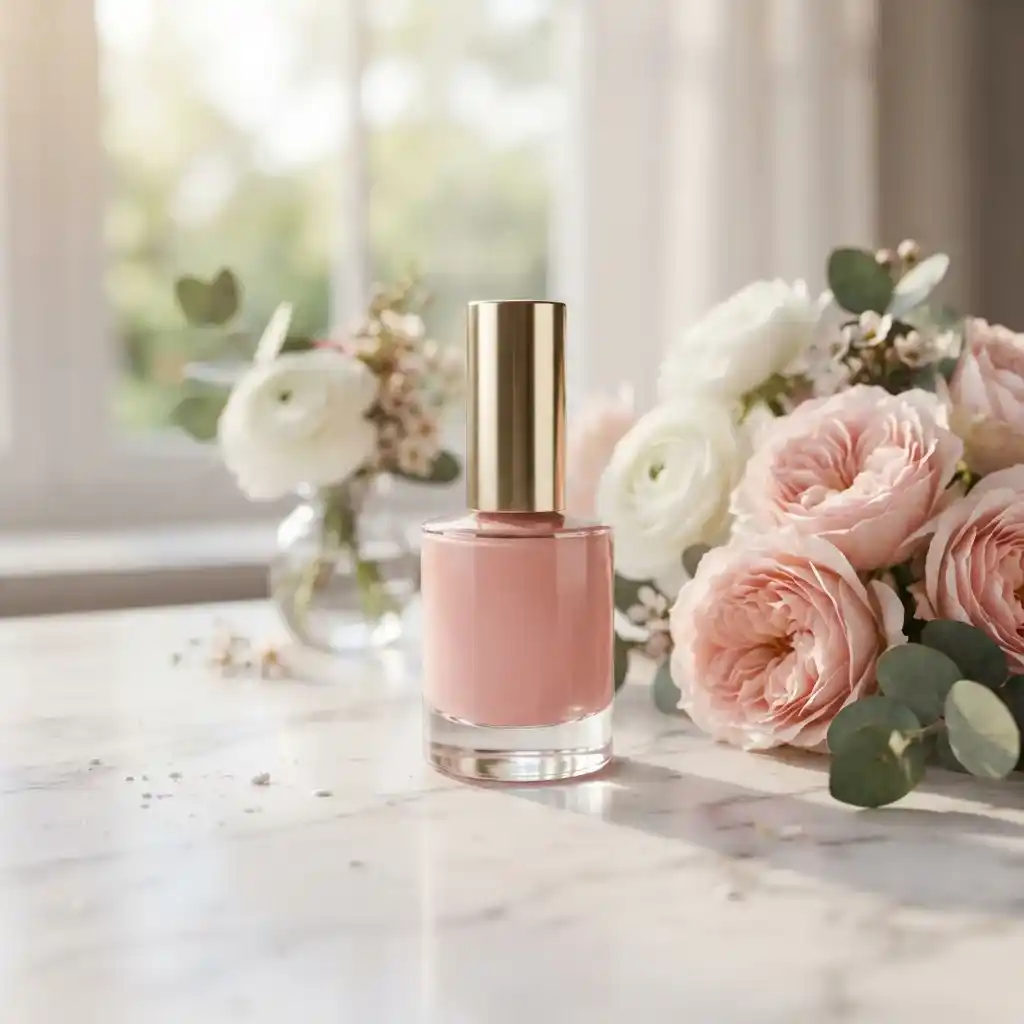
1. Best Overall — Zoya Nail Polish
Zoya has been in the “free-of” game longer than almost anyone, and it shows. The formula is 10 free, the pigmentation is genuinely impressive for a non-toxic polish and the brand has a color library that rivals most conventional lines. It’s the one we reach for most often when we’re not sure what else to recommend.
Pros: Excellent pigmentation, huge shade selection and solid wear time
Cons: Slightly thinner formula than conventional polish — two coats work best
Best for: Anyone who wants a reliable everyday polish without settling for a smaller color range
2. Best Budget Option — Pacifica Nail Polish
Pacifica built its whole brand around plant based, vegan beauty and their nail polish line fits right in. It won’t outlast a gel manicure but for the price. It’s a great place to start – if you’re new to clean beauty and don’t want to spend a lot of money.
Pros Easy to locate, affordable and organic at pharmacies.
Cons Wear time is shorter than premium options.
Best for Budget conscious shoppers or clean beauty beginners
3. Best for Pregnancy — Kure Bazaar
French made and formulated without the ingredients most commonly flagged during pregnancy – Kure Bazaar has become something of a go to recommendation among prenatal wellness circles. It’s on the pricier side but the formula feels noticeably more like a real polish than some other non toxic options.
Pros: Minimalist, well vetted ingredient list, smooth application
Cons: Premium price point, smaller shade range
Best for: Expecting moms who still want salon-quality color
Note: always run any beauty product by your OB if you have specific pregnancy concerns — this recommendation isn’t medical advice.
4. Best for Kids — Suncoat Water-Based Nail Polish
This one’s a genuinely different formula — water-based instead of solvent-based, which means barely any smell and easy soap-and-water removal (no acetone needed). It chips faster than standard polish, but for kids, that’s honestly a feature, not a bug — no need for harsh remover.
Pros: Water-based, virtually odorless, gentle removal
Cons: Shorter wear time, thinner application
Best for: Parents looking for a first “big kid” manicure option

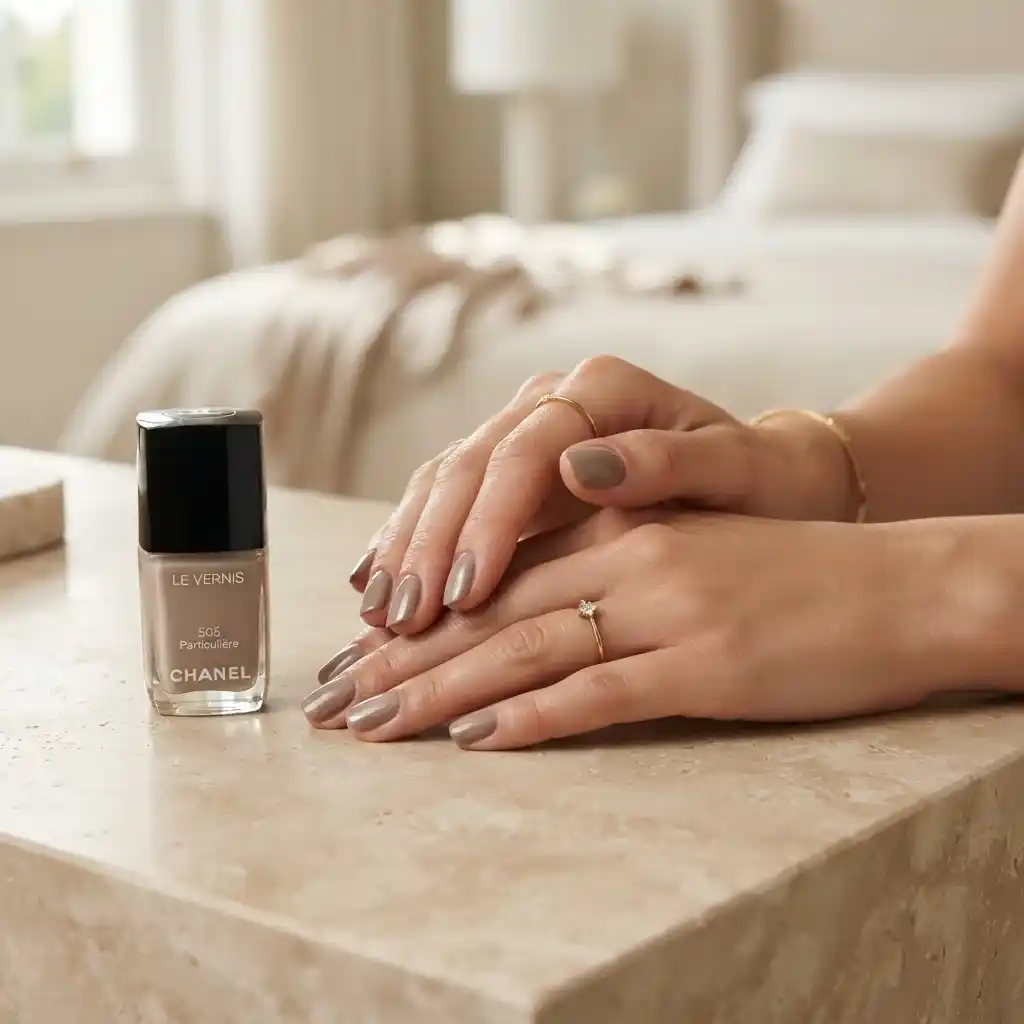
5. Best Long-Wear Formula — Olive & June
Olive & June built a cult following around at-home manicures and their polish formula holds up. It’s not marketed purely as “non-toxic,” but it does skip the major offenders and the brush design alone makes application dramatically easier — worth mentioning because a clumsy brush undoes even the best formula.
Pros Impressive chip resistance, ergonomic brush and glossy finish
Cons Not certified vegan across the entire line
Best for: People who want their at home manicure to actually last the week
6. Best Shade Range — ILNP (It’s a Love/Hate Thing)
If you’re into holographic finishes, duochromes or anything a little more experimental than a classic red – ILNP is hard to beat. It’s an indie brand with a devoted following and the formula checks the major non toxic boxes without sacrificing the fun, unusual finishes it’s known for.
Pros Enormous, unique shade catalog, strong pigmentation
Cons Can be harder to find in stores, mostly online
Best for: Anyone bored of the standard non toxic color lineup
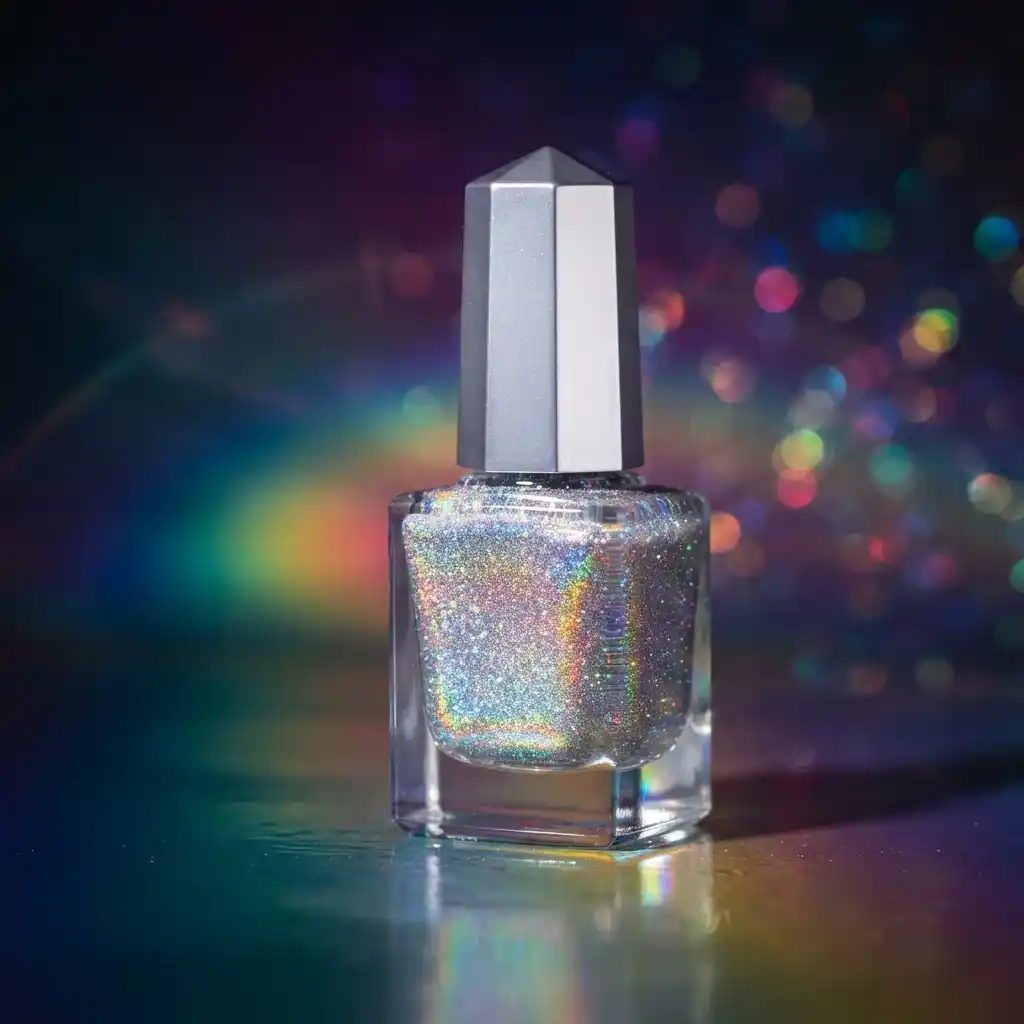
7. Best Gel-Effect, Non-Toxic Polish — Sundays
Sundays built its whole identity around 10 free, non toxic gel look polish — no UV lamp required. It’s not quite as durable as an actual gel manicure – but it’s noticeably glossier and longer wearing than a standard clean polish.
Pros: Gel-like shine without the lamp, good longevity for a non-gel formula
Cons: Higher price per bottle
Best for: Gel manicure fans who want to cut back on soak off removal chemicals
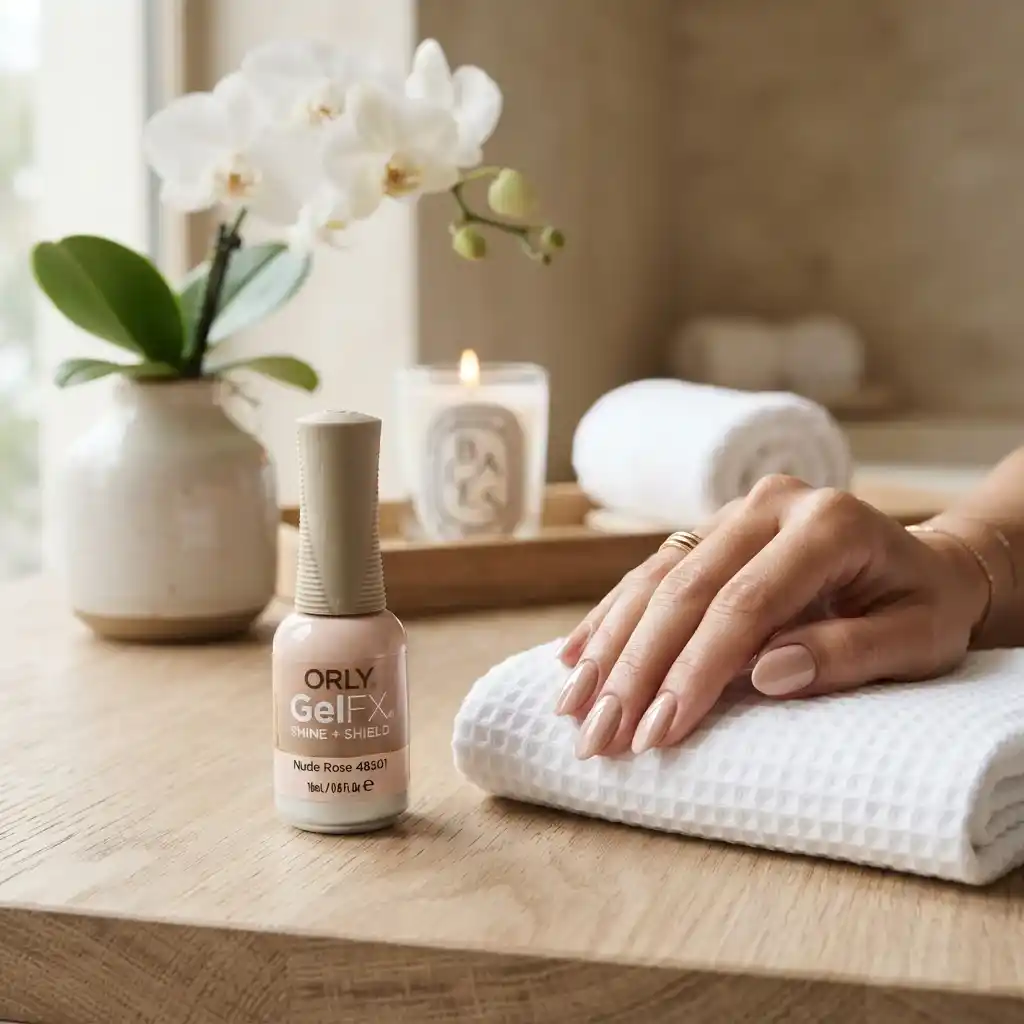
8. Best for Sensitive or Weak Nails — Tenoverten
Tenoverten’s formula are made to be kinder to nails that are prone to peeling or breaking – emphasizing nail health over color. Although the shade range is smaller than that of other competitors – the polish itself feels less drying after regular usage.
Pros: Gentle formula, nail health focused and minimalist packaging
Cons: Limited color options compared to bigger brands
Best for: Anyone dealing with brittle or weak nails who still wants color
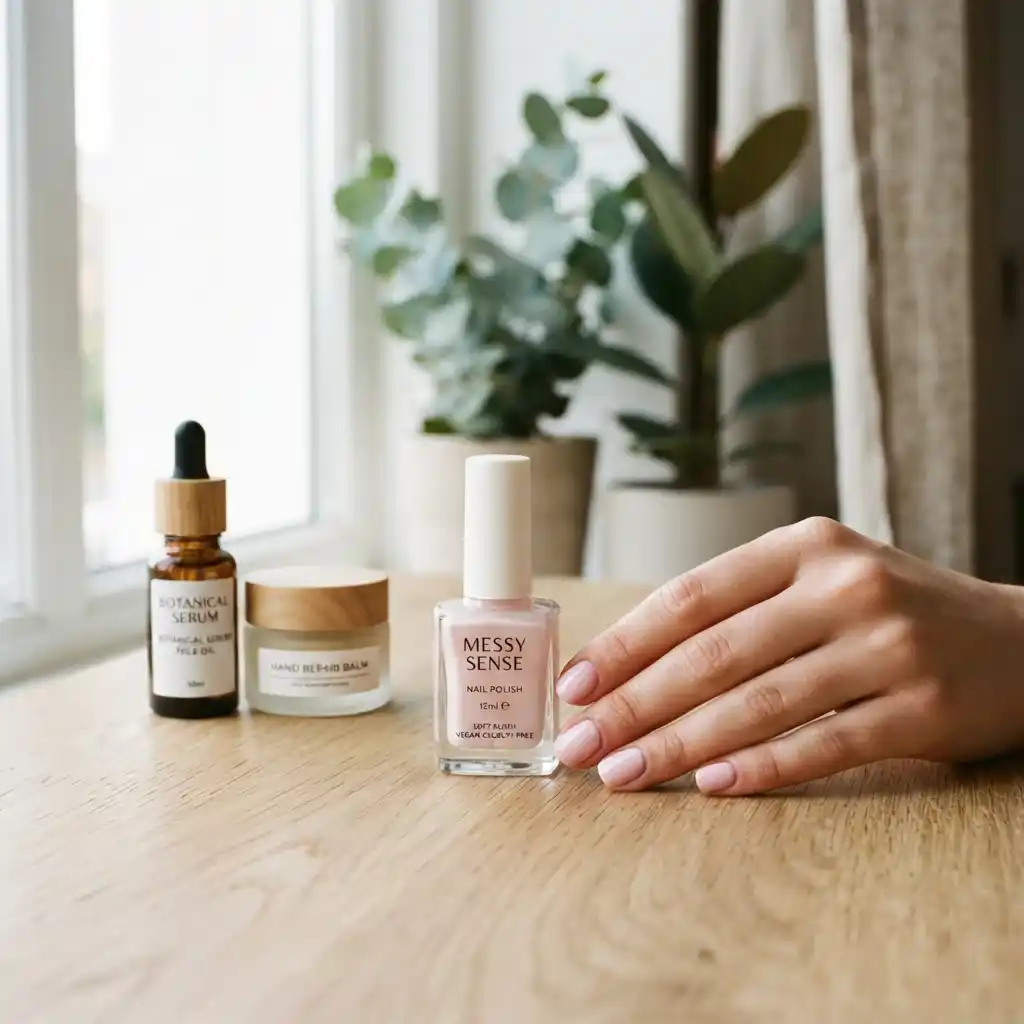
9. Best Eco-Friendly Packaging — Côte
Côte’s polish performs well but what sets it apart is the packaging — recyclable bottles, sustainably sourced materials and a brand ethos built around minimizing waste, not just minimizing chemicals. If sustainability matters to you as much as the ingredient list – this is the one to check out.
Pros: Sustainable packaging, solid formula, sleek design
Cons: Premium pricing
Best for: Eco-conscious shoppers who want the whole package (literally) to align with their values
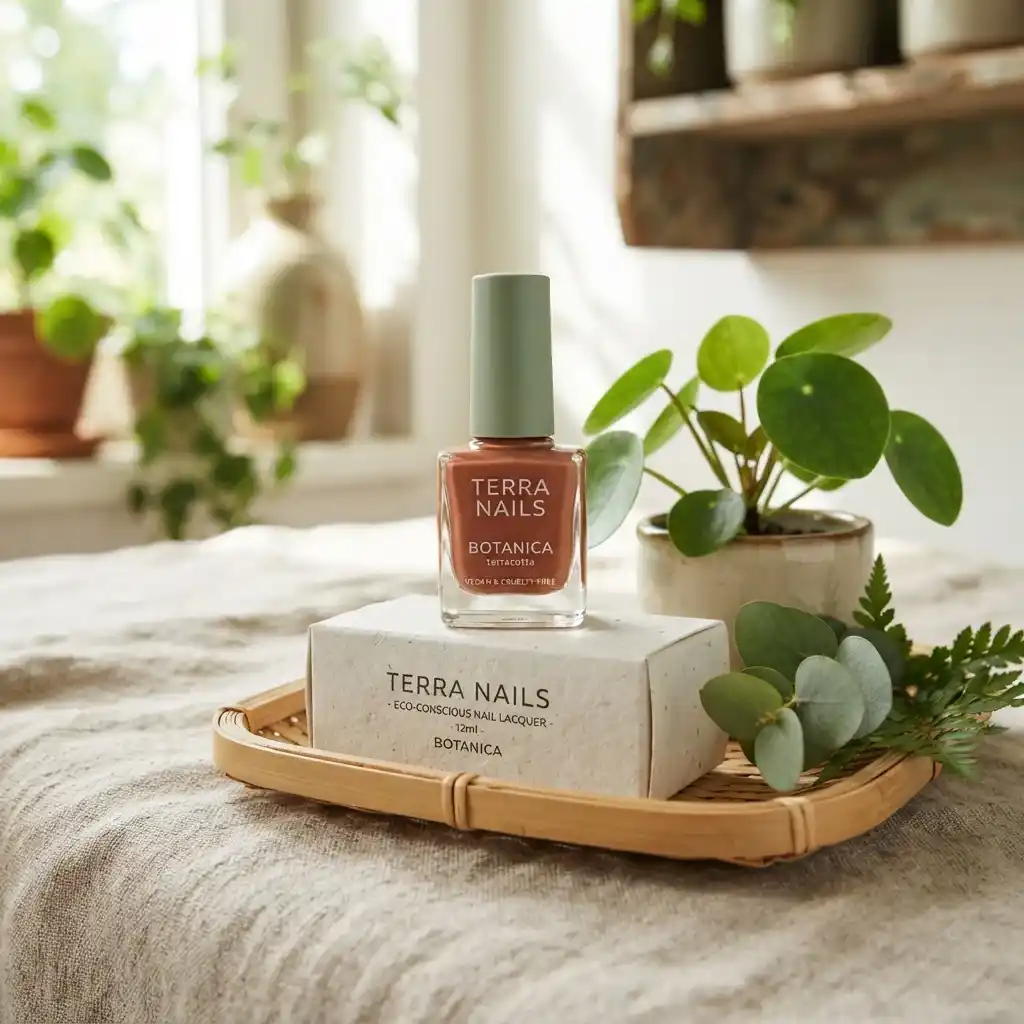
10. Best Splurge — Chanel Le Vernis (Toxic-Trio Free)
Not every luxury brand qualifies as “clean,” but Chanel’s Le Vernis line has quietly removed the major toxic offenders while keeping the formula, brush and finish that made it famous in the first place. It’s not marketed as a clean-beauty product, so double-check the current ingredient list before buying if this is a hard requirement for you — but it’s a nice option if you want a splurge that doesn’t fully sacrifice on the “cleaner” front.
Pros: Luxury application and finish, iconic shade lineup
Cons: Not fully 10 free, pricier than most on this list
Best for Special occasion manicures where you want the best of both worlds
Quick Comparison Table
| Product | Free-Of Level | Vegan | Best For |
|---|---|---|---|
| Zoya | 10-free | Yes | Best overall |
| Pacifica | 7-free | Yes | Budget pick |
| Kure Bazaar | 10-free | Mostly | Pregnancy |
| Suncoat | Water-based | Yes | Kids |
| Olive & June | 7-free | Partial | Long-wear |
| ILNP | 7-free | Yes | Shade range |
| Sundays | 10-free | Yes | Gel-effect |
| Tenoverten | 8-free | Yes | Sensitive nails |
| Côte | 8-free | Yes | Eco-packaging |
| Chanel Le Vernis | 3-free | No | Luxury splurge |
Always verify current pricing and exact ingredient list directly on the brand’s site before purchasing – formulas and prices do change.
How to Apply Non Toxic Polish for the Best Results
Clean formulas can behave a little differently than conventional polish, so a few small habits go a long way:
- Start with a base coat. Non-toxic formulas can be thinner and a base coat helps prevent staining while giving the color something to grip.
- Use thin coats. It’s tempting to load up the brush to get full opacity in one pass but two thin coats dry faster and last longer than one thick one.
- Let each coat actually dry. Clean polishes can take slightly longer to cure fully. Rushing the second coat is the #1 cause of smudging.
- Seal with a non-toxic top coat. This is where most of your chip-resistance comes from — don’t skip it, even if the polish already looks glossy.
- Moisturize your cuticles after. Many non toxic formulas skip the harsher plasticizers, which can mean drier-feeling nails afterward. A cuticle oil fixes this fast.
Non Toxic Vs Regular Nail Polish: Is It Actually Worth It?
Let’s be honest about the trade offs because no roundup is useful if it only tells you the upside.
Where non toxic wins: fewer headaches from fumes, less risk of the ingredients linked to hormone disruption and irritation – generally better for frequent use or pregnancy and often gentler on the nail bed over time.
Where it falls short: some formulas are thinner and need an extra coat, wear time can be a touch shorter than a heavy duty conventional polish and the price per bottle tends to run higher.
For most people the trade off is worth it — especially once you find a brand whose formula works with your nails specifically. It’s less about finding the perfect polish and more about finding the one that fits how you actually paint your nails.
Frequently Asked Questions about Best Non Toxic Nail Polish
Is non toxic nail polish actually safe during pregnancy?
Most OBs consider occasional use of low VOC, toxic trio free polish low risk, but the bigger concern is usually ventilation and frequency of use rather than the polish alone. If you’re pregnant and want extra reassurance, mention your favorite brand at your next appointment.
What does “10-free” actually mean?
It indicates that 10 frequently reported ingredients are not included in the mix. Formaldehyde, toluene, DBP, formaldehyde resin, camphor, ethyl tosylamide, xylene, parabens, scent and phthalates are common examples. It’s worthwhile to check each brand – because the precise list may differ significantly.
Could you tell me how long non toxic nail paint lasts?
It depends on the brand more than the category. Some clean formulas, like Sundays or Olive & June, hold up nearly as well as conventional polish. Others trade a bit of longevity for the cleaner formula.
Is non toxic nail polish safe for kids?
Water based non toxic formulas made specifically for kids – Like Suncoat are generally considered a safer choice mainly because they skip the strong smelling solvents and don’t require acetone to remove
Are all non toxic nail polishes vegan?
No. Non toxic refers to the chemical formula – while vegan refers to whether animal derived ingredients are used. Check both labels separately if this matters to you.
Where can I buy non toxic nail polish?
You can buy most of the above brands from their own websites And some like Pacifica and Zoya are also sold at bigger stores like Target, Ulta and Sephora.
Our Final Pick of Best Non Toxic Nail Polish
If you only take one recommendation from this whole list, make it Zoya. It hits the sweet spot of pigmentation, wear time, shade variety and price that most people are actually looking for — without asking you to compromise much of anything to get there. If you want something more specific to your situation — pregnancy-safe, kid-friendly or gel-level shine — the picks above have you covered too.
Whatever you choose, the biggest shift isn’t really about any single bottle. It’s just about reading the label before you buy, the same way you probably already do with skincare or food.