Hearing loss—whether mild or moderate—affects daily life, communication, work performance and confidence. In the past few years, 1 ear neck band hearing aids have become one of the most useful and cheapest choices. Their lightweight design Bluetooth connectivity and comfortable neckband make them ideal for seniors, students, office workers and anyone who needs hearing support without the bulk of traditional devices.
This buying guide will help you understand what neckband hearing aids are, how they work and how to choose the right model. You’ll also find a complete FAQ section at the end.
What Is a 1 Ear Neck Band Hearing Aids?
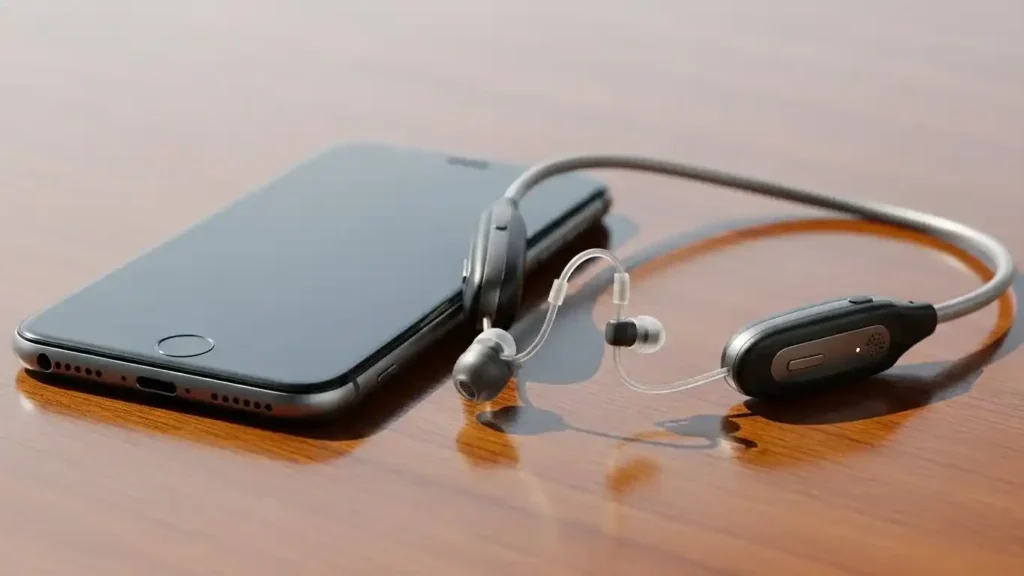
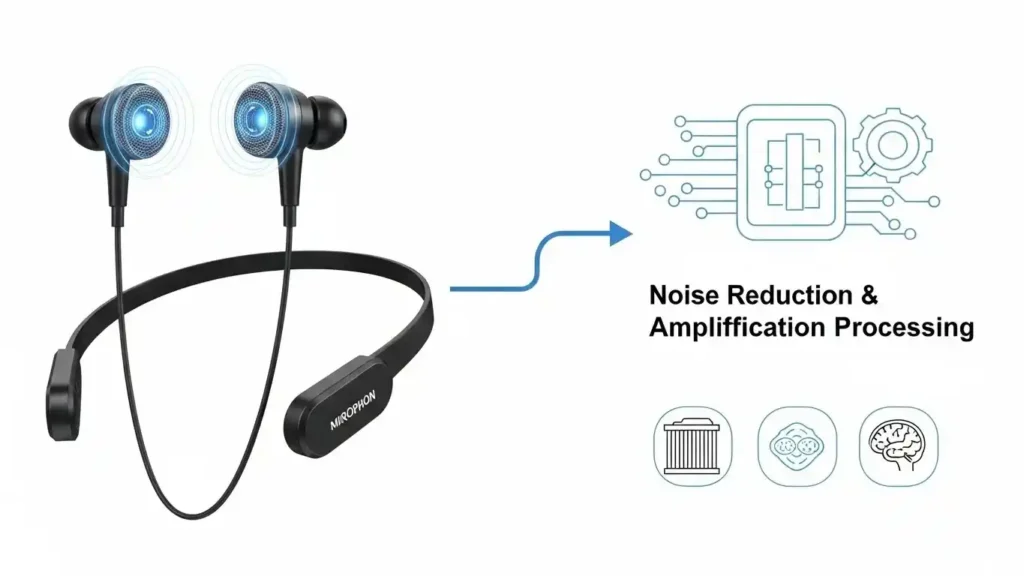
A 1 ear neckband hearing aid is a hearing device where the sound processing unit sits in a flexible neckband, while the receiver (earbud) goes into one ear. The neckband rests on the shoulders, reducing ear pressure and offering better battery life than small in-ear models.
How It Works
- Sound is captured by built-in microphones in the neckband
- The device amplifies speech and reduces background noise
- The sound is delivered to the single ear through the earbud
- Bluetooth connectivity allows calling, music and TV audio streaming
Neckband Vs Traditional Hearing Aids
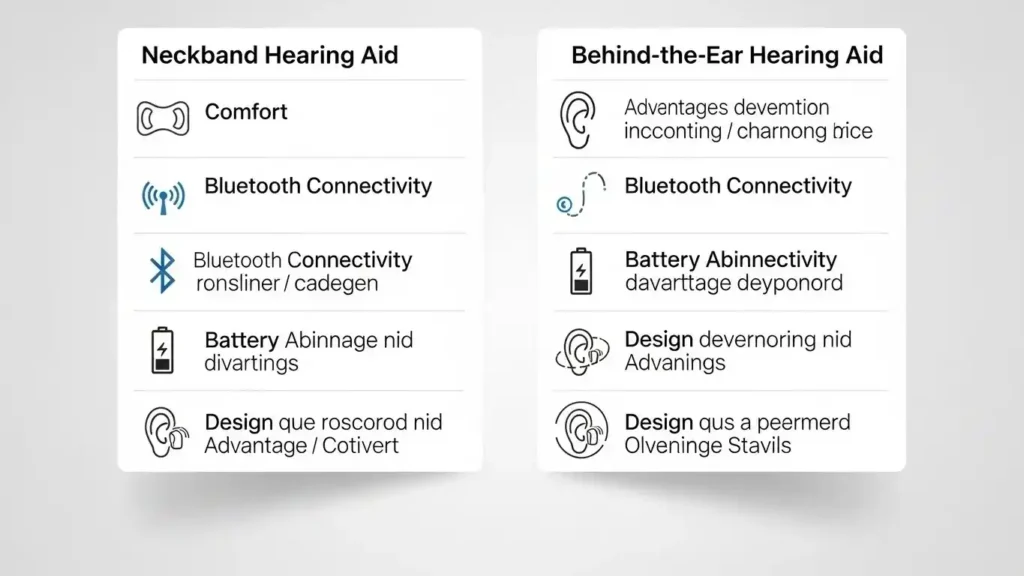
| Feature | Neck Band Hearing Aid | Behind the Ear (BTE) |
|---|---|---|
| Comfort | More comfortable, no ear weight | May irritate ears |
| Connectivity | Strong Bluetooth | Limited Bluetooth |
| Battery | Long-lasting | Medium |
| Design | Modern and stylish | Medical-looking |
If you’re also dealing with unwanted pests at home, check out our detailed guide on Mouse Repellent Pouches – The Safe & Natural Way to Keep Rodents Out (2025 Guide) for simple and chemical free solutions.
Key Features of 1 Ear Neck Band Hearing Aids
Bluetooth Connectivity
Allows easy pairing with phones, TV and laptops.
Long Battery Timing
Neckband style offers bigger batteries—often lasting 10–20 hours.
Noise Cancellation
Reduces unwanted background sounds for clearer speech.
Lightweight Comfort
No heavy device behind the ear.
Rechargeable Batteries
Most modern models use USB charging.
Single Ear Focus
Perfect for people who only need amplification in one ear.
Benefits of Using a 1 Ear Neck Band Hearing Aids
- Comfortable for long-day use
- Affordable compared to advanced digital hearing aids
- Best for mild to moderate hearing loss
- Great for seniors who prefer simple controls
- Perfect for phone calls and watching videos
- No irritation inside the ear canal
- Looks more like a wireless headset (not medical)
Who Should Use a 1 Ear Neck Band Hearing Aids?
This device is ideal if you:
- Have hearing loss in one ear
- Experience difficulty in understanding speech
- Want a hearing + Bluetooth combo
- Need comfort without bulky devices
- Work in offices or attend online meetings
- Prefer a stylish option instead of traditional medical-looking aids
Top 5 Best 1 Ear Neck Band Hearing Aids (2026)
1. NeckBand Pro One Ear Amplifier
Best for: Seniors
Features: Noise reduction, large battery, soft silicone ear tips
Pros: Very easy to operate
Cons: No app support
2. AirHear Neckband Hearing Aid (Single Ear)
Best for: Phone calls
Features: Bluetooth 5.3, HD voice and long standby
Pros: Crystal clear calls
Cons: Slightly bulky band
3. ClearTone Lite Neck Band Aid
Best for: Students & office workers
Features: Lightweight, balanced sound and USB C charging
Pros: Comfortable for all day use
Cons: Not ideal for severe hearing loss
4. SoundFlex Single-Ear Neckband
Best for: Music + hearing boost
Features: Deep bass, crisp voice enhancement
Pros: Stylish design
Cons: Battery average
5. HearPro Band 2025
Best for: Budget users
Features: Digital amplification, sweat-resistant
Pros: Most affordable
Cons: Limited noise cancellation
How to Choose the Right 1 Ear Neck Band Hearing Aids
Here are the key criteria
1. Battery Life
Aim for at least 10+ hours per charge.
2. Sound Amplification Power
Should support mild-to-moderate hearing loss.
3. Noise Reduction Level
Better noise control = clearer speech.
4. Comfort & Weight
Choose a soft, flexible neckband.
5. Bluetooth Version
Bluetooth 5.0+ recommended.
6. Warranty
Prefer at least a 6–12 month warranty.
How to Wear and Take Care of Your 1 Ear Neck Band Hearing Aids
How to Wear
- Place the band around your neck
- Insert the earbud in the affected ear
- Adjust volume gradually
Charging Instructions
- Use only the provided charger
- Avoid overcharging
Cleaning Tips
- Clean earbuds daily
- Avoid moisture
- Replace ear tips when worn
Safety Precautions
- Do not expose to water
- Do not sleep with device on
- Keep away from extreme heat
Common Problems & Simple Fixes of 1 Ear Neck Band Hearing Aids
| Problem | Quick Solution |
|---|---|
| Low sound | Clean ear tip / increase volume |
| No charging | Try a different cable |
| Bluetooth not connecting | Reset device |
| Distortion noise | Replace ear tips |
| One side not working | Check settings / reconnect |
FAQs of 1 Ear Neck Band Hearing Aids
FAQs Safety & Comfort
Are Bluetooth hearing aids safe?
Yes they are safe. Bluetooth works at very low radiation levels, well under harmful levels.
Are CIC hearing aids comfortable?
Completely in Canal CIC aids are comfortable for many users but may feel tight for beginners.
Can a hearing aid cause vertigo or dizziness?
Vertigo and dizziness might result with improper volume or fit. Adjusting settings usually fixes it.
Can Bluetooth hearing aids cause vertigo or hearing loss?
No they generally do not cause vertigo or hearing loss unless used at high volumes.
Can hearing aids hurt or damage your hearing?
High volume hurts your ears.
Can hearing aids cause headaches or tinnitus?
Yes Improper settings cause tinnitus and headaches. Professional fitting helps.
Can wearing only one hearing aid cause dizziness?
Sometimes, because it can create an imbalance in sound perception.
Are Nano hearing aids any good?
They offer budget friendly solutions, but performance varies by model.
How good are Nebroo hearing aids?
Nebroo is considered an affordable brand with decent performance for mild hearing loss.
Usage FAQs of 1 Ear Neck Band Hearing Aids
Can you shower, sleep or swim with hearing aids?
No water and moisture can damage them. Remove it before getting a bath, swimming or going to sleep.
Can someone with an ear infection wear a hearing aid?
No it is not recommended.
Can hearing aids be reused or reprogrammed for another person?
Yes it can be reprogrammed. However, compatibility and cleanliness need to be considered.
Can you wear hearing aids to bed?
Not recommended they may break and cause discomfort.
Can I put Neosporin on the caps of my hearing aids?
No. Creams and medications must not be applied near to the device.
Maintenance & Repair FAQs
Are all hearing aid wax guards the same?
Wax guards are not different by model and brand.
How often should hearing aids be checked?
Every six to twelve months.
How often to change wax guards?
Every one to two months Normally.
How to keep hearing aids from falling out?
Make sure the fits properly and use the right ear tip sizes.
How to use a stethoscope with hearing aids?
If you must get out your hearing aids and use stethoscope adapters.
What to do if hearing aids that are charged get wet?
If a drying kit is available, turn them off, gently dry them and use it.
Why do I hear crackling noise from my device?
Moisture or dirty microphones are generally the cause.
What is it about my hearing aids that makes my ears itch?
Dry skin or an allergic response to the tips of the ears.
Why is my hearing aid beeping?
Low battery or disabled microphone.
Can hearing aids be repaired?
Yes most issues can be resolved by a technician.
FAQs Battery & Charging of 1 Ear Neck Band Hearing Aids
How long do hearing aid batteries last?
The battery life of disposable batteries can range from three to ten days based on usage.
How long do rechargeable hearing aids last?
Each charge lasts eight to twenty hours and the battery lasts two to four years.
How long do digital and 312 size batteries last?
Digital: 3–7 days
312 batteries: 5–14 days
How long do hearing aids take to charge?
Typically two to four hours.
How long should rechargeable batteries last?
Most last 1–3 years before needing replacement.
FAQs Insurance & Coverage of 1 Ear Neck Band Hearing Aids
Are hearing aids covered by OHIP?
Under certain circumstances OHIP pays a portion of the expense.
Does Blue Cross Blue Shield PPO pay for hearing aids?
Check the details of your plan because many offer limited coverage.
Technology & Types FAQs of 1 Ear Neck Band Hearing Aids
What does CIC hearing aid mean?
CIC = Completely-in-Canal, placed deep inside the ear canal.
Difference between CIC and IIC hearing aids?
IIC is even smaller and placed deeper than CIC.
Difference between CIC and ITC hearing aids?
ITC is slightly larger and easier to control than CIC.
Difference between CIC and RIC hearing aids?
RIC puts the receiver in the ear canal but leaves the body behind the ear.
How does Bluetooth work with hearing aids?
It uses a wireless connection to send audio to phones and TVs.
How do hearing aids help tinnitus?
They amplify external sound, which masks internal ringing.
Conclusion about 1 Ear Neck Band Hearing Aids
A 1 ear neck band hearing aid is one of the most comfortable and practical solutions for people who want a mix of hearing support and Bluetooth features. If you want long battery life, comfort and clear sound without the bulk of traditional hearing aids, a neckband hearing aid is an excellent choice.