Tightness in the frenulum, the tissue behind the tongue that limits tongue mobility is a hallmark of the condition known as tongue tie (ankyloglossia). To fix this, doctors perform tongue tie surgery. This procedure is done for babies, children and even adults. One frequently asked topic Can teeth shift after a tongue tie surgery?
Let’s examine features based on present data and patient experiences.

If you’re experiencing jaw or ear discomfort after dental treatment, you might also want to read Can Wisdom Teeth Cause Ear Pain?
What Is a Tongue Tie and Why Do Dentists Correct It?
Tongue tie can affect speaking, swallowing, eating, jaw posture and overall oral development. Some people also have a lip tie, which is corrected together—called lip and tongue tie surgery.
Modern dentists also perform laser tongue tie surgery, which heals faster with less bleeding.

Types of Tongue Tie Surgeries
Traditional surgical release (frenectomy)
standard cutting using medical instruments.
Laser tongue tie surgery
fast healing, minimal bleeding, more precise. Laser procedures usually cost more—that’s why people often search tongue tie laser surgery cost.

Who Can Have a Tongue Tie Surgery? (Age Limit)
- Babies – breastfeeding improvement
- Children – speech clarity and oral development
- Adults – jaw pressure relief, better oral posture, improved speech
There is no fixed age limit. Due to the rise in adult instances, many people look up terms like tongue tie surgery adults, adult tongue tie surgery and tongue tie surgery in adults.
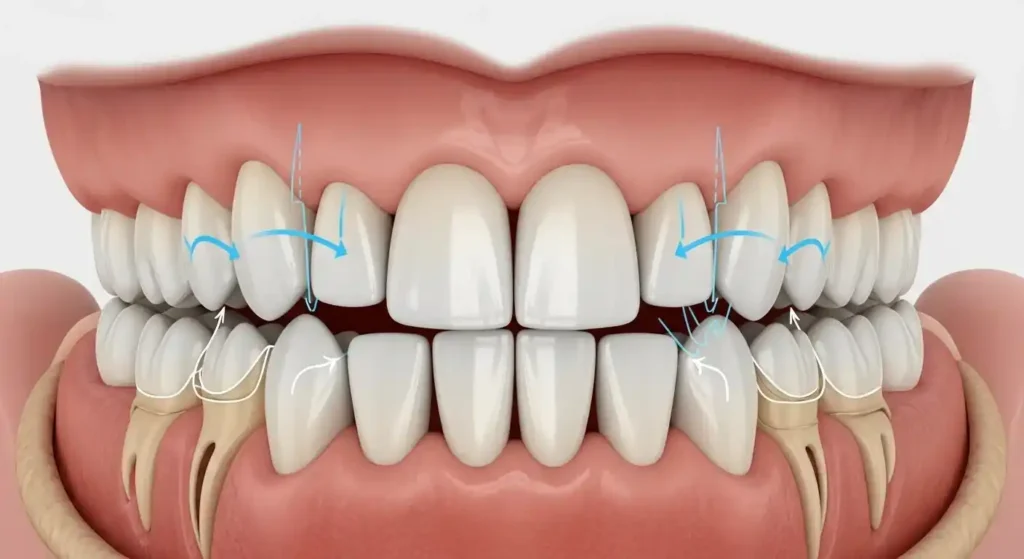
Can Teeth Shift After Tongue Tie Surgery?
Yes, in some cases minor teeth movement can happen after the release.
Why?
Because tongue posture and swallowing changes after the frenulum is cut. The tongue has a direct influence on how teeth and palate stay aligned.
This movement is mostly mild and temporary — but it can happen.

Why Teeth Might Shift After The Tongue Is Released
- new tongue resting position
- new swallowing pattern
- change from mouth breathing to nose breathing
- muscles start adjusting to new freedom
Your tongue is a powerful muscle. When its movement changes, teeth receive different pressures.
Tongue Tie Surgery Recovery Process
Recovery depends on age and method.
- babies heal faster
- adults take slightly longer
- laser gives quicker healing than traditional scissors
That’s why people search for tongue tie surgery recovery adults and tongue tied surgery recovery separately.
How Long Does It Take to Heal After Tongue Tie Surgery?
Healing takes one to three weeks on average.
Start tongue exercises as suggested by your surgeon.
Tongue Tie Surgery Cost (2026)
Cost depends on:
- technique (laser vs traditional)
- age
- location
People search specific areas like:
Surgery for tongue tie SC, surgery for tongue knot Greenville, surgery for tongue tie Tongue tie surgery in Simpsonville South CarolinaIs tongue tie surgery covered by insurance?
Sometimes yes — if medical necessity is proven.
Should Adults Consider Tongue Tie Surgery?
Yes — if they have:
- chronic jaw tension
- speech stress
- difficulty with tongue posture
- mouth breathing habit
More adults now get this done, even in the UK (adult tongue tie surgery UK).
Best Products to Use After Tongue Tie Surgery (Amazon Recommendations)
Here are some highly rated Amazon products that support oral comfort and dental stability after surgery:
| Product | Why it helps | Amazon Link |
|---|---|---|
| Soft Silicone Night Mouth Guard | Helps minimize unwanted teeth movement during night | Check Price on Amazon |
| Retainer Cleaning Tablets (Effervescent) | Keeps retainers clean & fresh during healing phase | Check Price on Amazon |
| Extra Soft Toothbrush for Sensitive Teeth | Gentle on healing areas and reduces gum irritation | Check Price on Amazon |
When Should You See a Dentist or Orthodontist?
- if your teeth visibly start shifting
- if your bite starts feeling different
- if discomfort continues beyond normal healing
Professional guidance can help maintain alignment.
FAQs
Recovery & Healing
How much time does it take for tongue tie surgery to heal?
1–3 weeks approximately.
Is tongue tie surgery painful?
A slight discomfort is possible but it is usually not very bad.
After tongue tie surgery how can a baby be soothed?
Make use of breastfeeding assistance, mild calming methods and pediatric dentist advice.
What exercises are needed after surgery?
Stretches for tongue mobility that your surgeon has advised.
Cost & Insurance
How much does a tongue tie surgery cost?
It differs according to state and method.
How much is tongue tie surgery for adults?
Surgery for adults is typically more expensive than kids.
Is tongue tie surgery covered by insurance?
Sometimes yes, depending on documentation of medical necessity.
Surgery Details
Is laser better than scissors method?
Laser is more precise and heals faster.
Does tongue tie surgery have an upper age limit?
No — it can be done at any age.
Conclusion
Yes — minor teeth movement can happen after tongue tie surgery because your tongue posture changes. This is not usually dangerous and often settles naturally. Retainers and routine dental exams can help prevent or manage shifting.
If you notice noticeable changes consult your dentist.