You have probably already checked out cheek lift before and after images if you would like it to see what kind of change is possible. Because they target the midface where aging indications appear most quickly cheek lift operations have grown in popularity.
This guide explains how cheek lift results usually look, how long it takes to see them and which skincare products can help maintain youthful volume and smooth texture after treatment.
You can also read the full Moroccan Nila Powder for Face – Benefits, Uses & Best Products (2026 Guide) to understand how it works for different skin concerns.
What Is a Cheek Lift?
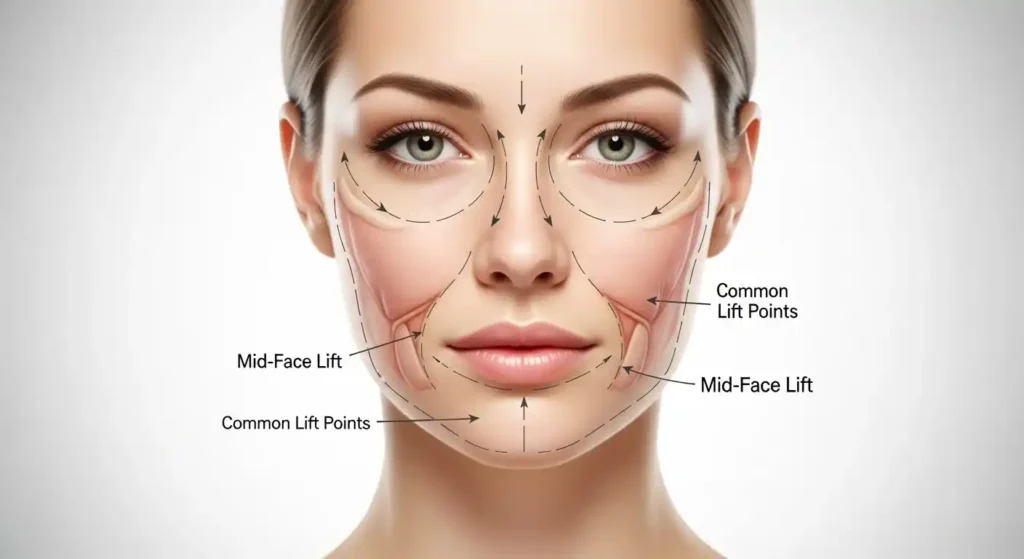
A cheek lift also referred to as a midface lift, aims to reposition sagging cheek tissue and restore the natural curvature of the midface. Nasolabial signs grow and the face appears exhausted as cheek volume reduces with age. A cheek lift elevates this central area upward, resulting in a more refreshed and balanced look.
Cheek lifts can be:
- Surgical (plastic surgeon performed midface facelift)
- Non surgical (fat transfer, thread lifts and fillers)
How striking the results are, how long they persist and how quickly you recover will depend on the method you select.
Types of Cheek Lift Procedures
| Type | Description | Results Duration |
|---|---|---|
| Surgical Cheek Lift | Repositions cheek fat + muscle | Lasts several years |
| Thread Lift (PDO threads) | Threads pull the skin upward | About 1–2 years |
| Fillers (Hyaluronic Acid) | Adds volume to flat cheeks | 12–18 months |
| Fat Transfer | Body fat injected into cheeks | Often long lasting |
Image note: The images used here are conceptual/illustrative. Do not use real patient photos without written permission.
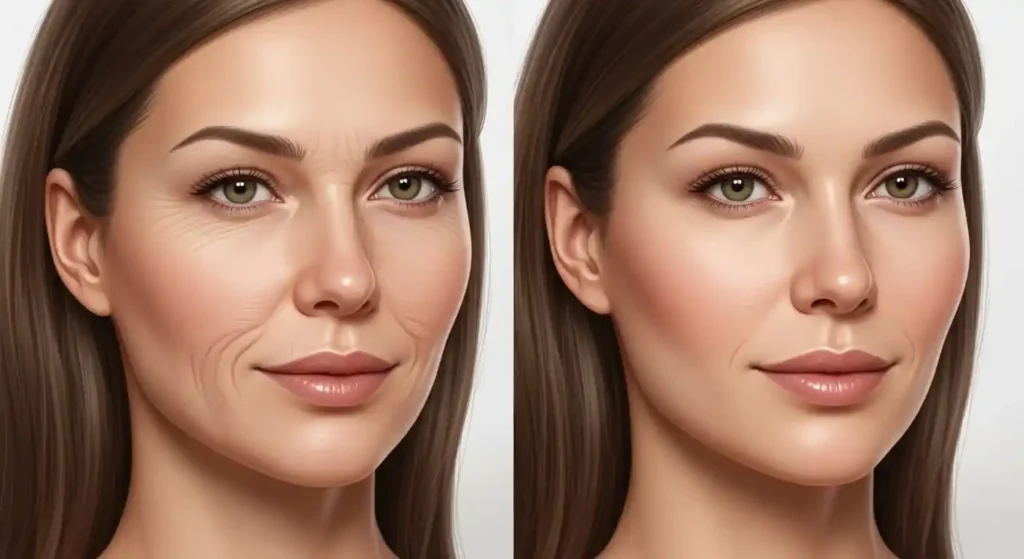
Cheek Lift Before and After Results: What To Expect
The goal of a cheek lift is not to create a “different face.” Instead, it restores what was lost — natural cheek curve, youthful shape and smoother mid-face.
Typical before and after improvements include:
- higher and more defined cheek contour
- less shadowing around nose and mouth
- softer nasolabial folds
- fresher and more alert expression
- face looks proportioned, not “pulled”
Final results are not instantly visible on day one — swelling settles gradually. Most people see clearer results as swelling settles, often within 6–12 weeks, though healing times vary by individual.
Timeline After the Procedure
| Time | What normally happens |
|---|---|
| First week | swelling + mild bruising may still be present |
| 2–3 weeks | cheeks start to settle into a natural shape |
| 6–12 weeks | full final results become easy to compare with “before” |
Can Wisdom Teeth Cause Ear Pain? — this guide explains how oral pressure can trigger pain that radiates toward the ear.
Recovery Tips for Better Results
Medical disclaimer: The tips below are general care suggestions and not medical advice. Follow the specific instructions given by your surgeon or dermatologist.
Although your provider will guide you, these general care suggestions often help support the healing phase:
- sleep slightly elevated
- avoid pressing on cheeks while sleeping
- limit smoking (it slows healing)
- avoid heavy facial workouts early on
- use gentle skincare products
Which Products Can Support Your Post-Procedure Skincare?
These are popular products many U.S. consumers use to support skin quality after cosmetic treatments.
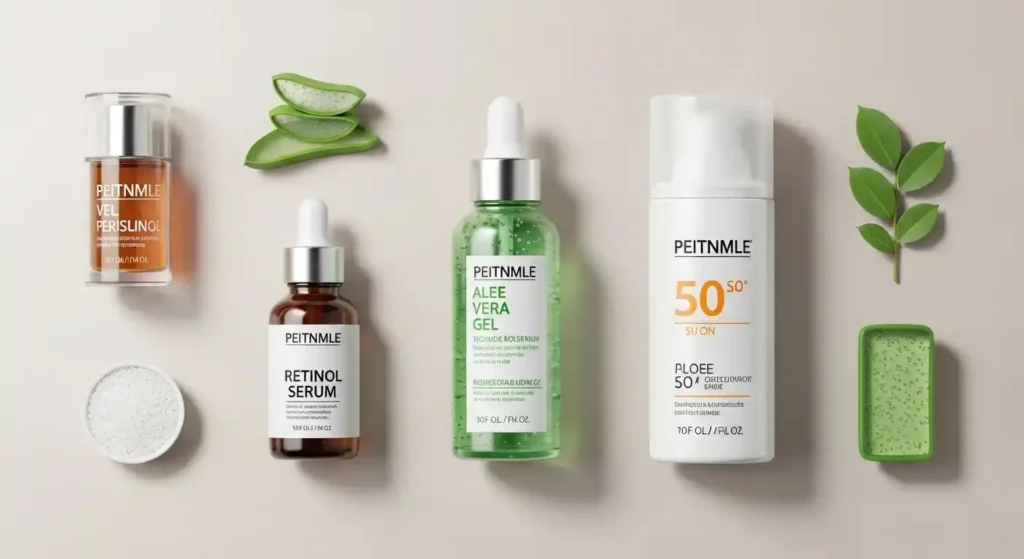
Affiliate disclosure: Some links in this article are Amazon affiliate links — I may earn a small commission if you purchase through those links at no extra cost to you.
1) Retinol for long-term anti-aging maintenance
CeraVe Skin Renewing Retinol Serum
Many dermatologists may recommend retinol to help improve skin texture and support natural cell turnover over time. Always follow your provider’s guidance.
2) Aloe Vera gel for calming & hydration
Seven Minerals Organic Aloe Vera Gel
Without intense smells organic aloe gel is famous for promoting moisture balance and calming skin.
3) Daily sunscreen for protection
EltaMD UV Clear SPF 46
After cosmetic procedures, providers commonly advise limiting sun exposure during healing. Use a sunscreen your provider approves to help protect recovering skin.
Note that results differ from person to person. Make product choices according on the advice of your doctor.
Who Is a Good Candidate for a Cheek Lift?
Most people who consider this treatment are:
- in their early 30s to mid-50s
- noticing mid-face sagging
- seeing deeper smile lines
- want a natural lift without a full facelift
Non Surgical Alternatives You Can Try First
If you are not ready for a procedure yet, you can still improve cheek appearance with non invasive options such as:
- makeup contouring techniques
- retinol-based anti-aging creams
- proper hydration and sun protection
- cheek lifting tapes (temporary)
These can provide an invisible and natural improvement but they cannot take the place of a cheek lift.
Final Thoughts
A cheek lift can provide a noticeable youthful enhancement in a focused area of the face without changing your natural identity. The most important part is having realistic expectations and the goal is refreshment, not a new face.
Comparing cheek lift before and after photos is helpful but make sure you also consider long term skincare habits. Supporting your skin with gentle and protective products can help maintain your results, especially when combined with professional guidance.
As always consult a qualified provider before choosing any treatment.
FAQs
How to lift cheeks?
Cheek lift can be progressively achieved with supportive skincare – regular facial exercises and adequate hydration.
Can Botox lift cheeks?
Botox doesn’t directly lift cheeks but it can relax certain muscles to make the mid face appear smoother.
What is a cheek lift?
By restructuring the cheek tissues, a cheek lift is a cosmetic procedure that improves the face’s shape.
How to do a cheek lift?
A cheek lift must be performed by a licensed professional who determines the safest technique based on individual needs.
How to lift droopy cheeks?
Droopy cheeks can be made to look better with a combination of professional treatments – healthy skin practices and lifestyle changes.